Detailed Explanation of Calceolaria Planting Methods and Key Technical Points
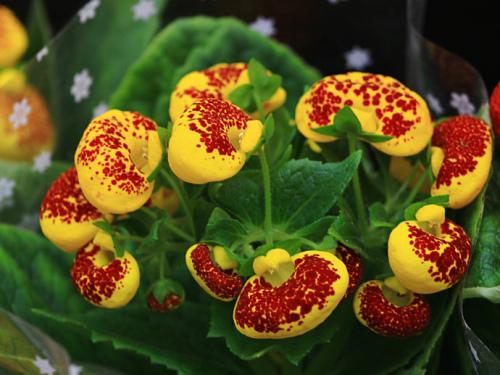
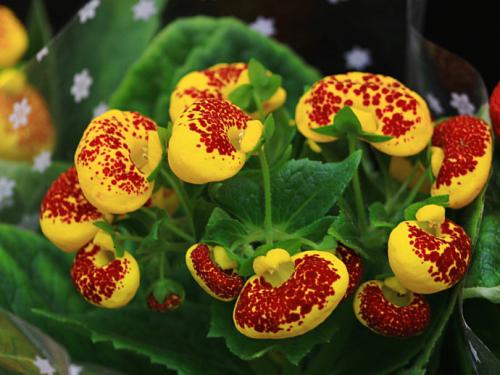
Calceolaria (scientific name: Calceolaria crenatiflora Cav.) is a perennial herbaceous plant in the family Scrophulariaceae, genus Calceolaria. The plant can reach a height of 30 cm. The stems, branches and leaves of the whole plant are covered with fine hairs, and the leaves are ovate and opposite. The flower shape is distinctive, with a two-lipped corolla: the upper lip is upright and smaller, while the lower lip is swollen like a pouch, forming a hollow chamber in the middle, with the stigma positioned between the two sac-like structures. Flower colors are richly varied; single-colored varieties include yellow, white, red and other shades, while bi-colored varieties have orange, pink, brownish-red and other spots on various base colors.
Planting Methods
Growth characteristics of Calceolaria: Calceolaria prefers a cool, moist and well-ventilated climate. It fears high heat and cold, and likes light, but during cultivation it must be protected from scorching summer sun and requires shade. It grows well at 7-15°C. It has strict soil requirements, preferring sandy soil rich in humus, and dislikes waterlogged soil. It needs good aeration and drainage conditions, and slightly acidic soil is best. Vegetative growth occurs above 15°C, and flower bud differentiation can be completed after 4-6 weeks below 10°C.
1. Soil requirements
It requires loose, well-aerated, freely draining sandy loam rich in humus, with a small amount of bone meal added as base fertilizer. It should be sterilized at high temperature before use.
2. Temperature requirements
The optimal growing temperature for Calceolaria is around 15°C. Above 20°C, growth, bud formation and flowering are affected. If the temperature can be lowered to around 10°C during flowering, the flowering period can be extended. However, nighttime temperatures during the growing season and overwintering temperatures must not fall below 10°C.
3. Light conditions
It likes light but avoids direct scorching sun. When midday light is too intense, appropriate shading should be provided and good ventilation maintained, otherwise damping-off disease is easily triggered. Increasing light duration can advance flowering; for example, if 3 hours of additional light is provided daily starting in November, flowering can begin by the end of January the following year. For greenhouse cultivation, 30% shading should be applied before October, no shading from October to March of the following year, and about 50% shading during the flowering period after March.
4. Water requirements
Drought will cause poor plant growth, so attention must be paid to drainage. Excessive moisture easily causes root rot. When watering, avoid splashing the leaves, as the leaf surface has hairs and is prone to rotting. Watering should follow the principle of watering when dry and stopping when wet. Water can be sprinkled around the flower pot frequently to keep air humidity above 80%, but note that water should not be sprayed on the flowers during the flowering period to avoid affecting seed setting.
5. Fertilizer requirements
It likes fertilizer, but it should not be too concentrated. During the growing season, apply diluted decomposed oil-cake fertilizer water or hoof and horn liquid fertilizer once every half month. Be sure to avoid fertilizer water splashing on the leaves, which can promote abundant flowers and lush foliage. If leggy growth of stems and leaves is observed, stop fertilizing immediately. When repotting, mix an appropriate amount of decomposed fertilizer into the growing medium. When flower stalks appear, apply 1% calcium superphosphate solution twice to make the flower colors more vivid.
6. Pollination requirements
Natural pollination of Calceolaria is difficult, so for seed collection, artificial pollination should begin at the start of the flowering period, with deliberate selection and crossbreeding. This should generally be done in the morning. After pollination, the corolla can be cut off. At the same time, strengthen shading and ventilation, avoid direct sunlight, and keep the potting soil slightly dry. This can increase the seed-setting rate and produce fuller seeds.
7. Propagation methods
Calceolaria is generally propagated by sowing, carried out in late August to early September when the weather is cool. Sowing too early when it is hot makes plants susceptible to damping-off disease; sowing too late results in small plants, affecting flowering the following spring. For sowing, use a growing medium of sterilized, decomposed leaf mold mixed evenly with fine sand. After sowing, cover with a layer of sifted fine sand just enough to cover the seeds. After sowing, water by the immersion method, cover the pot surface with glass, and place in a shaded area, maintaining around 20°C. Seedlings emerge in about half a month. After emergence, remove the glass after 3-5 days, place in a ventilated, light-exposed area, and thin the seedlings in time. Lower the temperature to 15°C. The potting soil must not be too dry or too wet. Pay attention to increasing air humidity. When 2-3 true leaves have grown, transplant into small pots. In November-December when there are 8 leaves, they can be planted individually into larger pots. A room temperature of 8°C-12°C is required, and flowering can occur from February to April the following year.
8. Pest and disease control
Calceolaria is prone to pests and diseases, and measures should be taken during cultivation. Damping-off disease easily occurs at the seedling stage; soil should be sterilized, diseased plants removed, or the potting soil kept slightly dry. When the air is too dry and the temperature too high, red spider mites and aphids easily occur; pesticides can be sprayed, air humidity increased, or temperature lowered.