Lantana Planting Methods and Key Technical Points
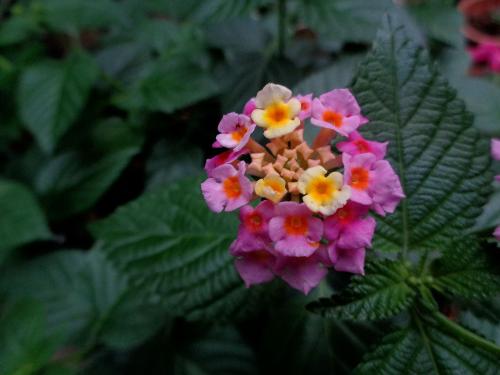
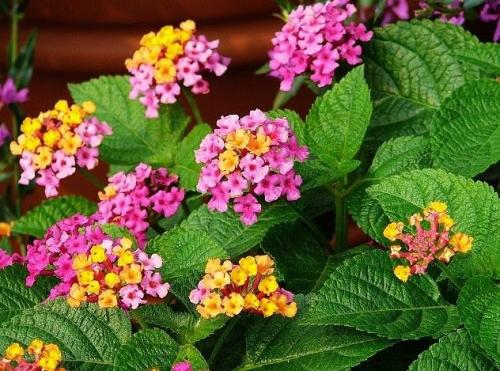
Lantana (scientific name: Lantana camara), also known as shrub verbena, is called "mian bi gong hua" by the Hakka people. It was originally mainly distributed in South America and the West Indies; the genus Lantana (Lantana) consists of evergreen shrubs. The flowering period is generally from mid-to-late April to around mid-February of the following year, but due to the influence of climate and temperature, it can be seen flowering almost all year round, making it a truly ever-blooming plant. A single flower cluster often shows changes in multiple colors, so it is also known by the aliases five-color plum and five-color flower; at the same time, the branches and leaves contain a special pungent odor, so lantana also has aliases such as stinkweed and stinking golden phoenix.
Propagation Methods
Lantana can be propagated by sowing, cuttings, layering and other methods. After the fruit ripens, pick it and pile it to compost, soak it in water and rub and wash away the flesh to obtain the seeds. Lantana seeds are prone to losing water, so in autumn they can be sown immediately after collection, or stored mixed with sand and sown again in spring. After sowing lantana, the temperature during the germination stage should be kept above 20C. The germination rate is about 60%, and seedlings sown in the south can flower in autumn of the same year. Cuttings are mostly taken in May, using one-year-old branches as cuttings, with every two nodes forming one section, keeping the upper leaves and cutting off half of them, inserting the lower part into the soil, placing it under light shade for care and spraying water frequently. In about 1 month it will take root and produce new branches. Lantana plants branch extremely profusely and will root wherever they touch soil, so flexible branches can be notched and pressed into the soil, and after the root system grows, the roots can be cut and the plants divided.
Lantana Cultivation Methods and Precautions
1. Soil: Lantana is highly adaptable and not strict about soil; sandy soil, heavy clay soil, acidic soil or calcareous soil can all support its growth, and it grows best in fertile, loose sandy soil.
2. Watering: Lantana prefers a humid environment. During the growing period, keep the potting soil moist, avoid excessive dryness, and pay attention to spraying water on the leaves to increase air humidity.
3. Sunlight: Lantana prefers a sunny, well-lit environment. During the growing season it can be placed outdoors in a sunny spot for care; even in midsummer it does not need shading, but good ventilation is required. If light is insufficient, the plant will grow leggy, with stems and branches thin and long, and it will flower sparsely, seriously affecting its ornamental value.
4. Fertilizing: Lantana has a relatively long flowering period, and in spring, summer and autumn it needs topdressing once a month. 20 days before flowering, spray 0.3% urea once every 10 days, which can make the branches and leaves lush and the flower colors vivid.
5. Management: Lantana tolerates pruning. To make it into a beautifully rounded crown, it needs frequent pinching. When the seedlings grow to about 10 cm tall, pinch them to encourage branching from the base, keep 3 to 5 branches as main branches, and when the main branches reach a certain length, pinch them again so the main branches grow evenly. The upper main branches are pinched first, and the lower main branches are pruned later; when pinching the upper main branches, remove slightly more growth than from the lower main branches, so that growth among the branches is even and a rounded plant shape is formed. After the plant takes shape, as the branches continue to grow, it should be thinned and cut back frequently. Every spring, when repotting, cut away overly dense branches, weak branches, crossing branches and diseased or pest-damaged branches from the base. For the retained branches, cut them back short leaving 2 to 4 buds respectively according to their growth condition. After flowering, promptly remove the spent flowers to avoid consuming nutrients.