Detailed Guide to Agave Planting Methods and Techniques
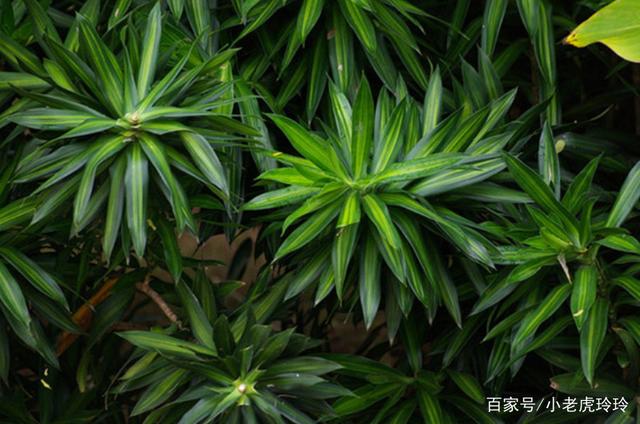
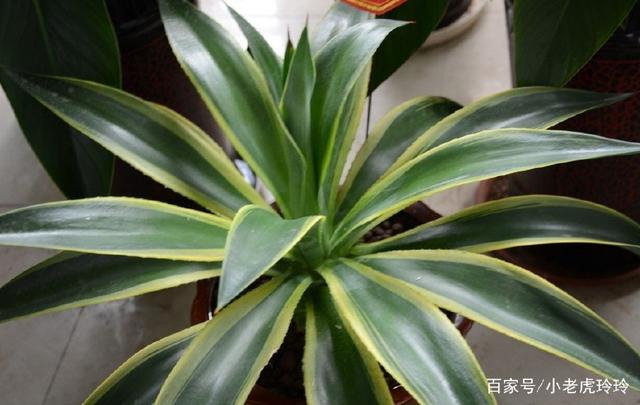
Agave (Agave americana L.) is a perennial evergreen large herbaceous plant of the genus Agave in the family Asparagaceae. The leaves are arranged in a rosette, large, fleshy, oblanceolate-linear, 15-20 cm wide at the middle, 10-12 cm wide at the base, with sparse spines along the leaf margins and a single hard sharp spine at the tip, the spine being dark brown. The panicle is large, up to 12 m long, much branched; the flowers are yellow-green; the stamens are about twice as long as the perianth. The capsule is oblong. Very few bulbils form on the inflorescence after flowering.
Cultivation Techniques
Soil Cultivation
Temperature: Agave has tough vitality, which of course also means that agave can endure relatively harsh environments. In the south, even when a cold wave strikes in winter, as long as there is sufficient sunlight, agave can adapt. The minimum growing temperature for agave is about 7°C, so when the temperature is too low, it should be moved indoors for care; at other times it can be cultivated outdoors.
Watering: Agave is very robust in nature and is not demanding about water. However, during its growing period it must be given sufficient water to grow well. In addition, during the winter dormant period, agave should not be watered excessively, otherwise root rot is easily caused.
Fertilizing: Because agave has a very strong ability to adapt to the environment, even growing in fairly barren soil will not affect the plant's development. However, fertile medium will still make agave grow better. Fertilizing once a year is appropriate; do not spray fertilizer frequently, otherwise fertilizer damage is easily caused.
Potting soil: Agave grows very slowly, so it does not need to be repotted frequently. If repotted often, not only is it unhelpful to the plant, but it will instead make the agave's growth vigor worse. Agave is better suited to a dry environment, so its potting soil should be a sandy soil with good drainage.
Hydroponic Method
1. In a heated environment, agave can be grown hydroponically all year round. When growing hydroponically, all its roots need to be removed, disinfected with a disinfectant solution, and then soaked in a rooting solution for a certain period of time;
2. During hydroponic cultivation, note that cabbage caterpillars eat its leaves and heart, thereby causing it to lose commercial value and ornamental value. If insects are found, they can be caught by hand, or insecticide can be used to kill them;
3. For hydroponic root viewing, it should often be taken to a place with good sunlight; do not leave it in a dark place for a long time, as the leaves will easily turn pale and become thin, thereby losing ornamental value;
4. In winter, pay attention to keeping it warm. During the day, place it by a window where there is sunlight; at night, in a room without heating, the glass bottle needs to be placed in plastic or a cardboard box; if the leaves turn yellow or droop listlessly, it may be frost damage, and at this time some warmth-retaining measures need to be given. Then place it in a place away from doors and windows;
5. Be sure not to place it in a place facing north. When changing the water in winter, warm water of 12 to 18°C can be used. Agave has strong resistance; as long as attention is paid to management, it can overwinter safely.