A Detailed Guide to the Planting Methods and Key Technical Points for the Tofu Tree
The tofu tree is a shrub plant, and when grown in the open field it mostly showcases its greening value; when not grown in the open field, it mainly showcases its economic, edible and medicinal value.
I. Propagation Methods
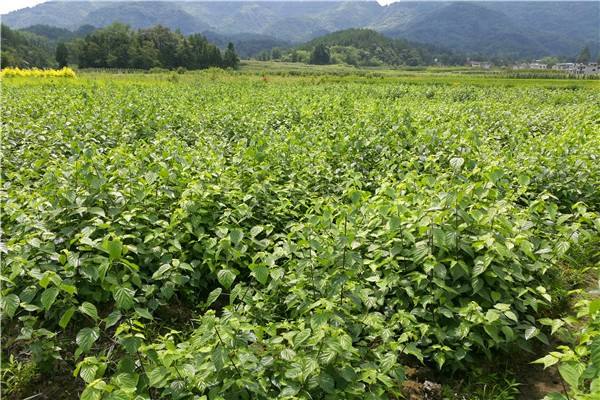
Division propagation: This propagation method has the advantages of high yield and high survival, and is often the best choice for park greening and maintenance. However, for the selection of divisions, two-year-old mature seedlings should be chosen; in spring, cut off the side branches and young shoots beside the tofu tree together with their roots, keeping the roots intact, then trim away the old soil and rotted roots and soak them in clean water. Choose a sunny spot, carry out shallow ploughing, apply organic fertilizer, and they can be planted the next day.
Seed propagation: The tofu tree enters its fruiting period relatively early, and the fruiting period is short, but for seed propagation you need to select fully mature fruit seeds; after harvesting the fruit seeds, dry them in the sun for later use, soak them on the eve of planting, then take them out and sow them by digging holes, sowing about 4 seeds per hole, then cover with a little shallow soil, with no need to water.
II. Planting Methods
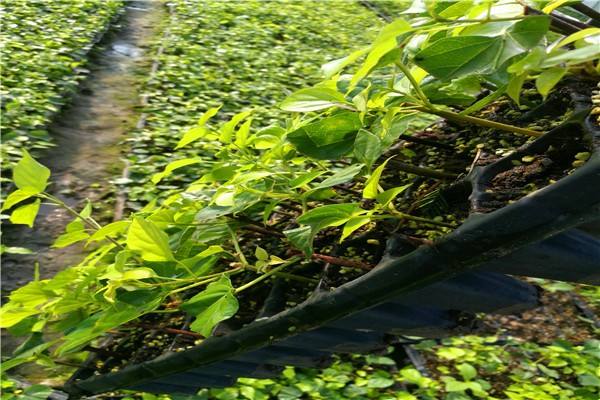
① Land preparation: The tofu tree is fairly suitable for large-scale planting, but the planting site should be chosen with a sunny advantage; it is not suitable for planting in tropical regions, and it should be sheltered from the wind, with a slope of between 5-25 degrees Celsius.
② Planting: Once the tofu tree seedlings have been successfully propagated, select robust seedlings, trim their roots slightly, and plant them by digging holes, one plant per hole, then cover the roots with soil.
③ Watering: After successful cultivation, water thoroughly with enough water to settle the roots so as to encourage rooting; about 200g of water should be given to each hole.
④ Drainage: The tofu tree likes warmth; although it needs plenty of water to provide nutrients, drainage work should be done well, mostly in the treatment of the holes, where the following downward-sloping detail can help clean water drain away and prevent waterlogging.
⑤ Fertilizing: In the first week after planting the tofu tree, no fertilizing is needed, but after the first week it will mostly have rooted, and organic fertilizer can then be applied.
III. What to Do About Yellow Leaves on the Tofu Tree
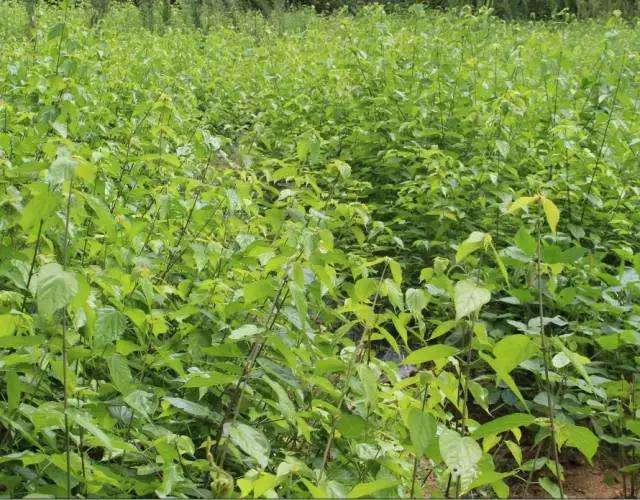
Water: Yellowing leaves caused by overwatering, with the roots also rotting, require stopping watering promptly, pausing fertilizing, adding dry soil, and simply keeping the environment well ventilated. Or, if the leaves turn yellow due to dehydration, the leaves will fall off while the roots are undamaged, and simply watering promptly is enough.
Fertilizer: Yellowing leaves caused by long-term lack of fertilizer are due to insufficient nutrients, and require replacing the soil and conditioning with a nutrient solution; after replacing with new soil, simply fertilize and care for it. For yellowing leaves caused by excessive fertilizing, you can pause fertilizing and water frequently, but at the same time the soil should not become sticky.
High temperature: For yellowing leaves caused by high temperature, simply shade them promptly and water.
Air: If the tofu tree remains in a stuffy environment for a long time, this can also cause the leaves to turn yellow and lead to nitrogen deficiency; simply ventilate promptly and apply nitrogen fertilizer.