Winter Wheat Planting Techniques and Management Methods
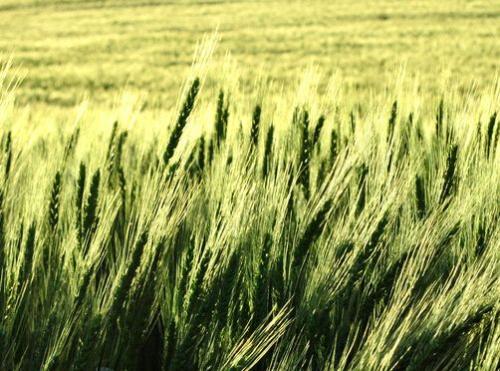
Winter wheat, in our country, is generally divided by the Great Wall: to the north it is mostly spring wheat, and to the south it is winter wheat. In our country, winter wheat predominates.
Planting methods
1. Pre-sowing preparation
According to local climate, soil, pests and diseases, and other conditions, choose varieties with high yield, stable yield, good quality, and strong stress resistance, such as Zhengmai 9023, Emai 23, Emai 18, Huamai 13, etc. Before sowing, to ensure wheat planting yield, carry out seed coating or chemical seed dressing to reduce the incidence of seedlings and reduce overwintering pathogen bacteria, and reduce the risk of insect damage. When dressing seeds, strictly use the chemical dosage; over-dosing is strictly prohibited, and seeds should be dressed and sown immediately.
2. Land preparation and fertilization
If it is a corn plot just after harvest, the corn straw can be crushed and returned to the field, evenly scattered on the ground, and deeply buried in the soil after plowing. After straw return, irrigate and firm the soil. When returning straw to the field, base fertilizer can also be applied. The base fertilizer should have a balanced content of nitrogen, phosphorus, and potassium, and attention should be paid to maintaining trace elements. Generally, base fertilizer is applied according to the per-mu yield; usually 10-156 kg of nitrogen fertilizer, 4-8 kg of phosphorus fertilizer, and 4-8 kg of potassium fertilizer per mu are applied as base fertilizer.
3. Reasonable sowing
For winter wheat, the sowing time must be strictly controlled; sowing too early or too late will lead to lodging later and affect yield and quality. For sowing, drilling is generally used, with two types: equal-row drilling or wide-narrow row drilling. When sowing, the seed should be distributed evenly, with consistent depth; it should not be too deep or too shallow. The optimal depth is 4-5 cm. After sowing, harrow and level in time, and press lightly. To ensure the germination rate during sowing, it is best to conduct a seed germination test before sowing, and sow when the seed germination rate reaches 85%.
4. Cultivating strong seedlings
After the seeds emerge, check and fill in gaps in time. After emergence, if there is rainy weather or the soil is compacted into clods, loosen the soil in time to increase soil permeability and promote root growth of the seedling roots. Before the soil freezes, apply freezing water well, and grasp the irrigation time well; the best time is when the average daytime temperature drops by about 3 degrees, so that the seedlings can overwinter safely.
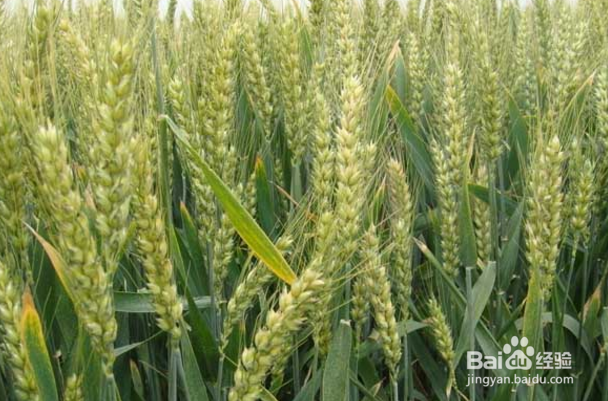
1. Among wheat diseases, four are the most important: stripe rust, sheath blight, powdery mildew, and fusarium head blight. Stripe rust is distributed in the northwest region (overwintering and oversummering areas), Sichuan in the southwest, the middle reaches of the Yangtze River (northern Hubei), and southern Shandong and Henan south of the Yellow River. The affected area is about 15 million to 20 million mu. The degree of occurrence varies with the suitability of the early spring climate; due to changes in physiological races of the pathogen, some varieties have lost rust resistance, and there is a risk of large-scale epidemics. Sheath blight and powdery mildew in the main wheat-producing areas in the north and south show a trend of increasing damage. Fusarium head blight remains a major threat in the middle and lower reaches of the Yangtze River wheat region and has pushed northward to south of the Yellow River; there is also damage in the Northeast wheat region. In addition, viral diseases and glume blotch have worsened in some areas.
2. For wheat insect pests, aphids are mainly common at the ear stage, and the annual affected area in the North China and Northwest wheat regions exceeds 200 million mu. Second, after wheat turns green and joints (mid-growth stage), especially in dry years, wheat blossom midge, wheat spider, wheat leaf sawfly, etc. also need control in the Huang-Huai-Hai wheat region. In some northern areas, damage from underground pests (mole crickets) and locusts is also severe.
3. The weed community in wheat fields has changed; whether broadleaf weeds or grass weeds, both cause severe damage in the northern and southern wheat regions and require strengthened control.