Detailed Explanation of Isatis Root Planting Methods and Technical Key Points
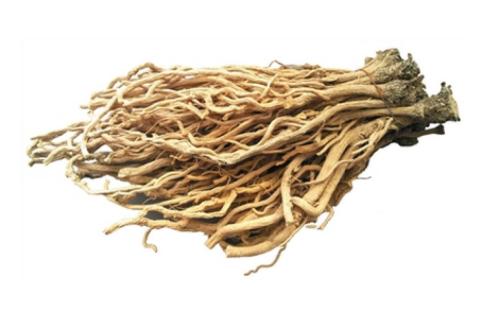
Isatis root (banlangen), a name in traditional Chinese medicine. Common alternative names: indigo root, blue indigo root, Daqing root; it is a medicinal herb. Bitter, cold. It has the effects of clearing heat and removing toxin, cooling the blood and soothing the throat. It is often used for seasonal epidemic toxins, fever with sore throat, warm-toxin macules, mumps, scarlet fever with eroded throat, big-head plague, erysipelas, and boils and swelling.
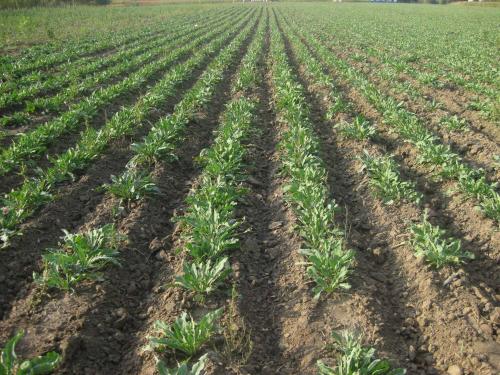
Isatis root planting conditions
Growth habits
Isatis root has strong adaptability to climate and soil conditions; it endures severe cold and likes warmth but fears waterlogging. The normal growth and development process of isatis root must go through a low-temperature winter stage before it can flower and set seed. The seeds germinate easily and germinate well within the range of 15C~30C; the germination rate is generally above 80%, and the seed lifespan is 1~2 years.
Site selection and land preparation
Isatis root is a deep-rooted plant, and its main root can reach 40 cm~50 cm long, so fertile sandy loam with deep soil layers and good drainage should be selected for planting. Low-lying land with poor drainage or clay soil is unfavorable for isatis root growth.
Before sowing, deeply plow the land 20 cm~30 cm; sandy land can be slightly shallower. Apply sufficient base fertilizer, mainly farmyard manure, at 3000-4000 kg per mu. After plowing, break up the clods and rake level to make beds. In northern areas with little rain, flat beds can be made; in the south, high beds are suitable to facilitate drainage. Generally the bed width is 1.5 m~2 m and the height is about 20 cm.
Isatis root planting methods
1. Seed selection
The seeds of isatis root should be new seeds harvested the previous year, with black on the seed coat. Such seeds have good maturity, and the germination rate can be guaranteed to be above 95%. Moreover, such seeds will not flower in the same year after sowing; if seeds stored for many years are selected, not only is the germination rate low, but they also tend to flower in the same year, affecting the yield and quality of isatis root.
2. Seed treatment
After the seeds are selected, in order to improve the germination rate of isatis root seeds, the seeds must also be treated before sowing. First soak the seeds in clean water for 12-24 hours. This can, first, remove grass debris and shriveled seeds mixed in with the isatis root seeds, and second, soften the seed coat of the isatis root seeds to facilitate sprouting. After soaking, remove and air-dry, and then sowing can be carried out.
3. Sowing time
In the process of planting isatis root, there are strict requirements for sowing time and sowing methods. First let us understand the sowing time. For spring-sown isatis root, northern regions generally sow in early April, while southern regions can appropriately advance it, but sowing is required only when the local temperature is stably above 12°C, which helps the root system to penetrate deeply and prolongs the growth period.
4. Sowing
One week before sowing, water thoroughly once to ensure the moisture needed for isatis root seeds to germinate and take root. There are many sowing methods for isatis root, but the commonly used methods are drilling and hole sowing.
Drilling uses a row spacing of 30 cm, with a sowing rate of about 3 kg per mu; hole sowing uses a row and plant spacing of 30x20 cm or 30x30 cm, with less seed used, between 1.5-2 kg per mu. The sowing depth is 3 cm. After sowing, cover with a layer of fine soil, covering with soil about 1 cm thick, and *** then cover the bed surface with plastic film to retain moisture. Because spring winds are strong, in order to prevent the wind from lifting the plastic film, after the plastic film is covered on the bed surface, in addition to pressing the edges firmly with soil, soil should also be pressed in the center of the film.