A Detailed Guide to Spinach Planting Methods and Key Technical Points
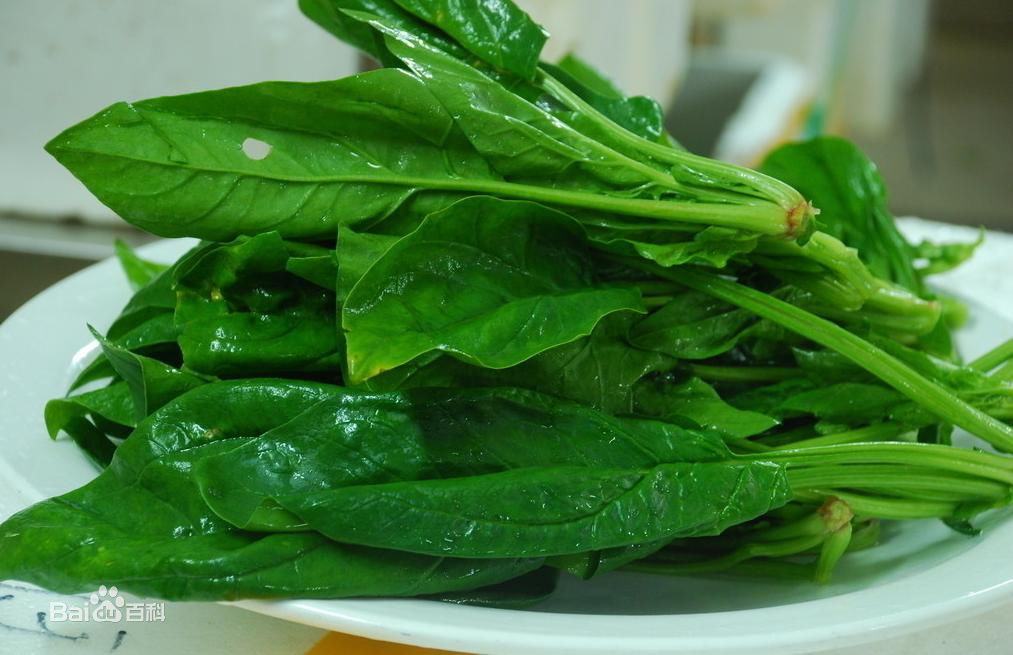
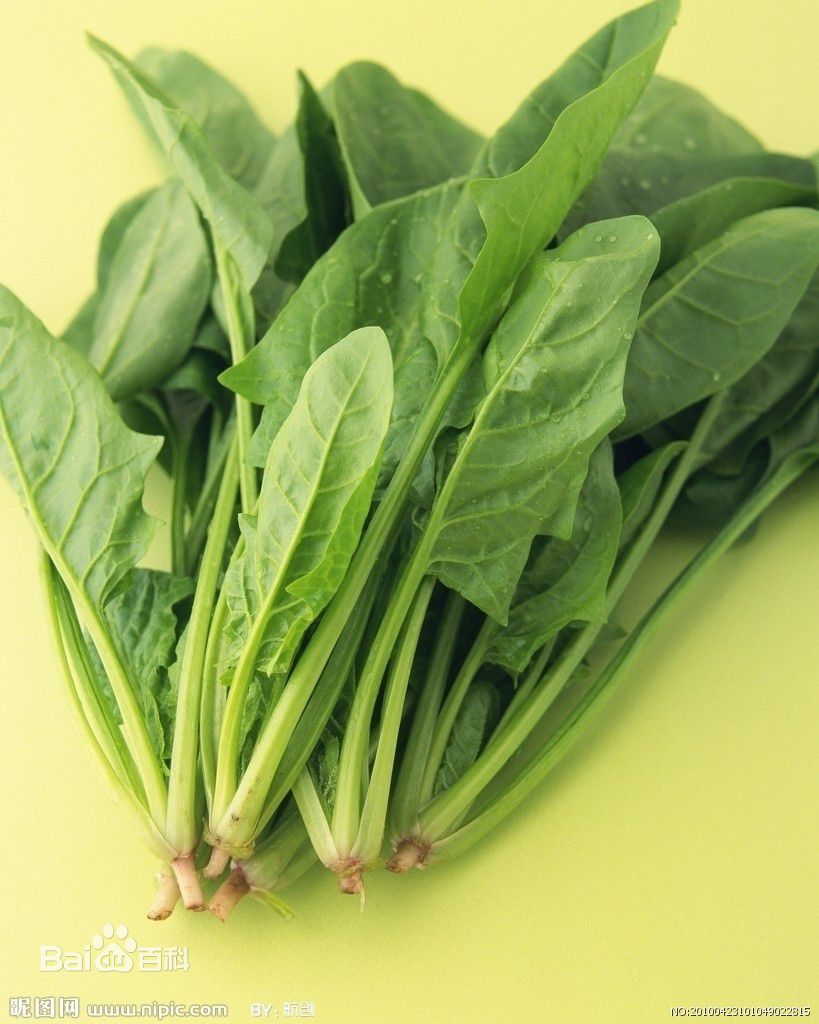
Spinach (Spinacia oleracea L.), also known as Persian spinach, red-root spinach, parrot spinach, etc. , belongs to the Chenopodiaceae family, Spinacia genus, an annual herbaceous plant. The plant can reach up to 1 m in height, with a conical root that is reddish, rarely white, and leaves that are hastate to ovate, bright green, with entire margins or a few tooth-like lobes. There are many varieties of spinach, which can be divided by seed morphology into two variants: prickly-seeded and smooth-seeded.
Planting methods
1. Sowing time
Spring spinach can be sown once temperatures rise above 5°C after the beginning of spring, with March being the suitable sowing period; summer spinach is sown in stages from May to July; autumn spinach is sown in August to September; overwintering spinach is sown from mid-October to early November.
2. Land preparation and bed formation
Choose loose, fertile loam that retains water and fertilizer, has good drainage and irrigation conditions, and is slightly acidic, with a pH of 5.5-7. When preparing the land, apply 4000 kg of decomposed organic fertilizer per mu and 40 kg of superphosphate, then level and finely rake the soil. In winter and spring, raised beds are preferable; in summer and autumn, flat beds are used, with a bed width of 1.2-1.5 m.
3. Sowing and seedling raising
Spinach plots generally use broadcast sowing. For summer and autumn sowing, soak the seeds in water for 12 hours one week before sowing, then place them in a well or in a refrigerator or cold storage cabinet at about 4°C for 24 hours, then germinate them at 20-25°C; sow after 3-5 days when they have sprouted. In winter and spring, dry seeds or wet seeds can be sown. Sow 3-3.5 kg per mu.
After watering the bed surface thoroughly with bottom water, sow the seeds, lightly rake the surface soil with a tooth rake so that the seeds enter the soil, and then cover the bed surface with a layer of plant ash.
After summer and autumn sowing, cover with rice straw or use a small arched shed with a shade net to prevent high temperatures and heavy rain erosion. Keep the soil warm and moist regularly; seedlings can be complete in 6-7 days. In winter sowing, when temperatures are rather low, cover the bed with plastic film or a shade net to keep warm and promote emergence, then remove it after the seedlings emerge.
4. Field management
After autumn spinach produces true leaves, apply 1 splash of clear manure water; after 2 true leaves, combine thinning and weeding, and topdress first lightly then more heavily, applying more decomposed manure in the early stage; during the vigorous growth period, topdress 2-3 times, with 5-10 kg of urea per mu each time.
After sowing winter spinach, keep the soil moist. When there are 3-4 true leaves, control water appropriately to help overwintering. When there are 2-3 true leaves, keep seedlings 3-4 cm apart. Apply water and fertilizer according to seedling condition and weather, mainly decomposed human manure and urine. In frost and ice-snow weather, cover with plastic film and a shade net to keep warm, and a small arched shed can be used. After the beginning of spring, choose sunny days to topdress with diluted decomposed manure water to prevent early bolting.
In the early stage of spring spinach, cover with plastic film to keep warm; it can be laid directly on the bed surface. After the seedlings emerge, remove the film or switch to a small arched shed cover. For the small arched shed, uncover by day and cover by night, uncover on sunny days and cover on rainy days, so that the seedlings get more light and are hardened more, and thin them in time. Topdress with water and fertilizer; in the early stage, apply diluted decomposed human and livestock manure lightly and frequently; in the later stage, especially 15 days before harvest, topdress with quick-acting nitrogen fertilizer.
After summer spinach emerges, it is still necessary to cover with a shade net: cover on sunny days and uncover on cloudy days, cover late and uncover early, to help lower temperature and preserve moisture. During the seedling stage, water should be done in the morning or evening with small amounts frequently. After 2-3 true leaves, topdress twice with quick-acting nitrogen fertilizer. After each fertilization, water with clear water to promote growth.