A Detailed Guide to Delphinium Planting Methods and Tips
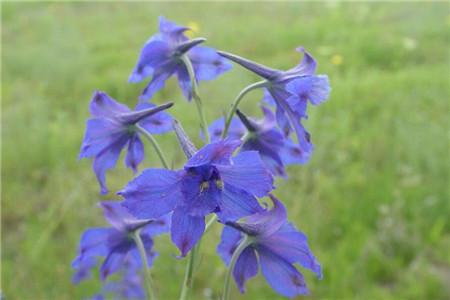
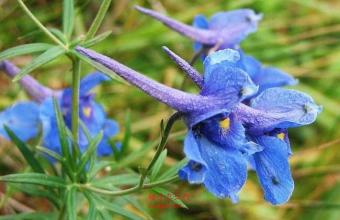
Delphinium plants are upright, with flowers shaped like flying birds, and large, spectacular flower spikes arranged in strings. The flowers come in many colors, including blue, purple, white and pink, making them excellent material for watersides, forest edges, flower borders and flower strips. Dwarf varieties are suitable for pot cultivation or flowerbed arrangements, while tall-stemmed varieties are great material for cut flowers.
Planting Methods
1. Adaptable Environment and Temperature
Delphinium likes light and also tolerates shade fairly well. During the growing period it can be cared for in a semi-sunny and semi-shaded environment, but it needs plenty of sunlight during the flowering period. A moist and cool climate suits it best. The temperature suitable for seed germination is 15 degrees, and after the plant starts growing, the daytime temperature should be 20 to 25 degrees, while the nighttime temperature should be above 3 degrees up to 15 degrees. In fertile, well-drained acidic soil, delphiniums grown will be more lush and flourishing.
2. Propagation Methods
1, Seed propagation: the temperature at seed germination should be kept at around 5 degrees, and the soil temperature is best kept below 20 degrees. Sprouts can emerge in two weeks. Sow in autumn in August, cultivate and raise seedlings in the ground, carry out cold protection work when winter comes, and when the weather warms up in spring and the plant grows four tender green leaves, transplant it for final planting. The plants also need thinning, and potted plants should be drained on rainy days.
2, Division propagation method: sowing can be done after the Mid-Autumn Festival, and by late October the seeds will sprout. When four or five leaves have grown, transplant and plant them. By the following spring, when the plant has grown seven leaves, the clumps can be divided into separate pots for individual planting. They bloom from May to July. They can also be cultivated indoors; a warm environment can shorten the plant's flowering period and make it bloom two to three months earlier.
3. Care Precautions
1, Fertilizing: during the plant's care period, apply nitrogen fertilizer solution before flowering, and apply phosphorus and potassium fertilizer solution after flowering. After fertilizing, water appropriately. After entering October in autumn, increase sunlight exposure and place the plant in a spot with good lighting; this can promote earlier flowering. When the plant grows to a height of 20 cm, to keep it growing straighter and prevent it from toppling, you can set up a frame to prevent the plant from growing crooked and falling over.
2, Watering: delphinium likes light but does not like soil that is too wet. When watering, make sure the soil is allowed to dry and then be watered, and it must not be too wet or have standing water. During the flowering period, you can appropriately add some water so that when the plant blooms, it will not be too dry and the flowers will be more moist and vivid. Avoid soil that is too dry, which would cause the plant to lack water; once the plant lacks water, it will dry up and even affect the plant's growth.
3, Sunlight exposure: during the growing period, delphinium should be exposed more to temperatures of 18 to 28. Sufficient sunlight exposure can make the plant grow glossy and strong in resistance. During flowering, it can be cared for in a semi-sunny, semi-shaded place, so that when the plant blooms, the flowers will bloom more vigorously.
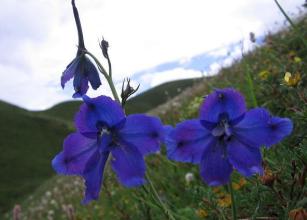
During the care of delphinium, some leaves may turn yellow and fall off because of certain care practices or as the plant grows. You can prune off the plant's leaves, and leaves that are half yellow can also be pruned off. This allows new leaves to grow and also keeps the plant looking attractive.