A Detailed Guide to Growing Pennywort: Even Beginners Can Learn It Easily
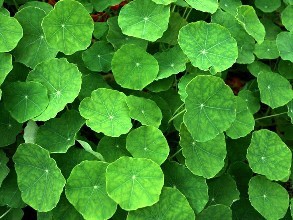
Pennywort, also known as marsh pennywort, has extremely vigorous vitality and a fairly high survival rate, and it grows very quickly. Every node can produce new roots and leaves, and in autumn and summer it even bears small yellow-green flowers. Pennywort can also be used as an ingredient and has the effect of clearing heat and detoxifying.
Growing Methods
-
Pennywort is a wetland herbaceous plant, widely distributed in tropical and subtropical regions. Its leaves are round, its leaf stems are slender, its vitality is very vigorous, its reproductive capacity is strong, and it is easy to grow. It can be grown in water, in soil, or in a half-water, half-soil setup.
-
Growing pennywort in water. Pennywort does not have high requirements for water quality; generally, tap water can be used to grow it. However, some nutrient solution should be added to the water from time to time to ensure pennywort's growth needs, because pennywort has a relatively high demand for fertilizer.
-
Growing pennywort in soil. Pennywort likes moist environments and cannot tolerate dryness. If growing pennywort in soil, be sure to keep the soil moist. It is suitable to use loose, fertile soil with good water absorption to grow pennywort.
-
Growing pennywort with the half-water, half-soil method. Using half water and half soil is a relatively good way to grow pennywort. If you think soil is not ideal, you can also use some small stones or small grains of sand instead of soil. This not only ensures that pennywort absorbs water, but also gives its root system a place to grow.
-
Pennywort does not have high requirements for light, because pennywort is shade-tolerant and likes relatively humid environments. Therefore, generally speaking, pennywort should not be placed directly under the sun for light; it can be placed in a shady spot for light, with partial sun being suitable.
-
When growing pennywort, you should often spray water on its leaves to remove dust from the leaves, so that the leaves can carry out photosynthesis better and also look more glossy green and attractive.