Detailed Explanation of the Cultivation Methods and Key Technical Points for the Horned Melon
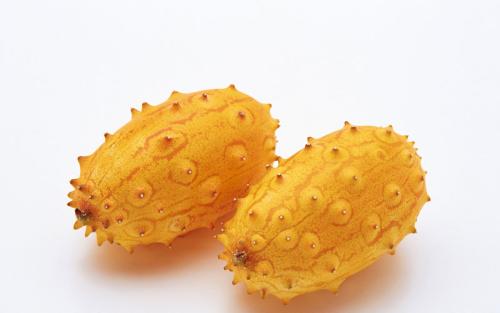
The horned melon, also known as the African horned cucumber, Martian fruit, sea cucumber fruit, golden hedgehog, Kiwano melon, horned melon, jelly melon, and Huotian tao, among other names, is an annual trailing herbaceous plant of the genus Cucumis in the gourd family (Cucurbitaceae). Its skin is extremely hard and uneven. The flesh is fine and seedy, gelatinous like a cucumber, with a mildly sweet flavor. It originated in the Kalahari Desert region of southern Africa, and is now cultivated in countries such as New Zealand, the United States, Australia, Chile, Germany, and Zimbabwe .
Spring cultivation of the horned melon can be divided into two types: seedbed seedling raising and direct sowing in the open field. In order to transplant early and harvest early, most regions adopt the seedbed seedling raising method.
1. Sowing and seedling raising
The germination temperature for horned melon seeds should be controlled at 20-35°C. Generally, a hotbed is used for rapid seedling raising. Practice has proven that rapid seedling raising not only saves time, but also produces fast and sturdy seedlings with high early yields. Where conditions permit, rapid seedling raising should be used as much as possible. Transplant when the seedlings have grown to two leaves. For open-field cultivation, the transplanting temperature in spring must reach above 15°C. Under greenhouse conditions, planting can be carried out in early autumn. Greenhouse and plastic tunnel cultivation require a medium for pollination.
2. Field planting
Before field planting, first prepare the land. Apply fertilizer and make beds. Apply base fertilizer in combination with land preparation. Generally, apply 2000 kg of barnyard manure per mu. 30 kg of diammonium phosphate. To give full play to the fertilizer effect, it can also be applied in furrows according to row spacing. After plowing and leveling, make beds, with a bed length of 8-10 m and a bed width of 1.5 m. The specifics depend on the terrain.
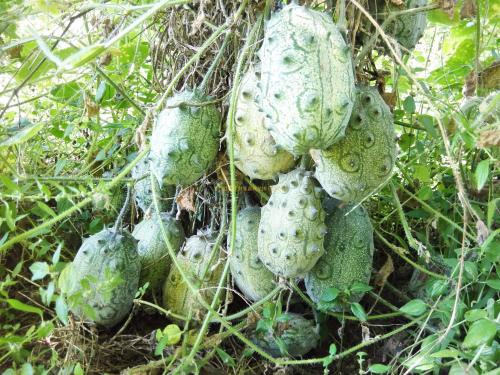
Cultivation methods
Because the growth of the horned melon has clear temperature requirements, it generally requires a period of about 6 months when the temperature is above 15°C. Regions where temperatures above 15°C cannot be maintained for 6 months are not suitable for growing the horned melon. Therefore, when introducing and cultivating it, the first consideration is whether the climatic conditions of the region are suitable for the living environment of the horned melon.
The horned melon is a plant of the genus Cucumis in the gourd family (Cucurbitaceae), native to the Kalahari Desert in Africa, and now also grown in California and New Zealand. It is an annual trailing herbaceous plant with a hard, uneven skin. The flesh is fine and seedy, gelatinous like a cucumber, with a mildly sweet flavor. In its place of origin, because its root system can reach the underground aquifer, it was once an important source of vitamins and water for local people.
Open-field, plastic tunnel, and greenhouse cultivation; greenhouse and plastic tunnel cultivation require a medium for pollination. This plant is monoecious, and male flowers generally open a few days before female flowers.
For trellis cultivation, generally plant 600-700 plants per mu, with about 3.5-4 months from sowing to harvest. The seed germination temperature should be controlled at 20-35°C. The seeds germinate in the seedling tray, and are transplanted when they grow to two leaves.
For open-field cultivation, the transplanting temperature in spring must reach above 15°C. Under greenhouse conditions, planting can be carried out in early autumn. After transplanting, promptly spray New High-Lipid Film, which can effectively prevent aboveground moisture from evaporating and seedling moisture from transpiring, isolate pests and diseases, shorten the seedling recovery period, and help them quickly adapt to the new environment and grow healthily, a good rural income-generating project. The horned melon is not cold-tolerant and is suitable for growing in hot, dry climatic conditions, with strong disease resistance. However, it is prone to disease in high-humidity, rainy environments. Promptly spray New High-Lipid Film + Hushu Jiangjun to destroy the nutrient source for harmful pathogens, eliminate viruses through osmotic action, and close off virus replication and transmission pathways. Enhance the plant's vigor and improve plant immunity.
Spray Zhuanggua Diling once each before flowering, at the young fruit stage, and at the fruit expansion stage. It can thicken the fruit stalk, strengthen the targeted nutrient delivery, promote rapid fruit development, produce attractive fruit shape, and make the fruit juicy and delicious; during the growth cycle there is no flower drop, no fruit drop, no cracked fruit, and no deformed fruit. At the first flowering stage, use Genshitong + micro-fertilizer to irrigate the roots, inducing the plant's absorption, digestion, and release of nitrogen, phosphorus, potassium, and various trace elements in the soil, enhancing the positive energy for fruit development and optimizing fruit quality.