Detailed Explanation of Loofah Planting Methods and Technical Key Points
Loofah (scientific name: Luffa cylindrica), in the Pearl River Delta specifically referring to the eight-angled loofah, is a plant of the Cucurbitaceae family native to India, also known as vegetable gourd, and is widely cultivated in East Asia. It is a climbing herbaceous plant of the Cucurbitaceae family, and the loofah root system is strong. The stem is vine-like, five-ridged, green, with both the main vine and side vines growing luxuriantly; the stem nodes bear branching tendrils and readily produce adventitious roots. It is distributed and cultivated both in China and abroad.
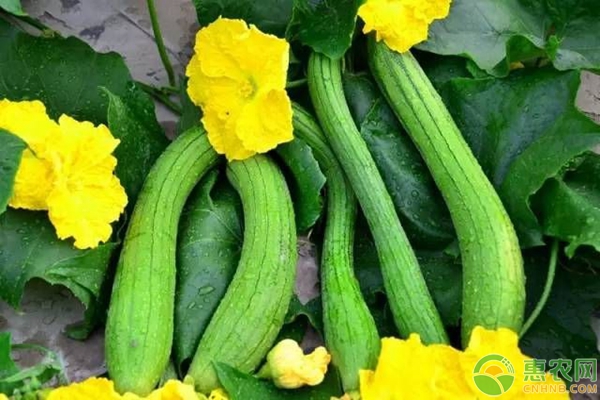
Planting Methods
I. Land Preparation and Sowing
Loofah is not strict about soil requirements, but loose, fertile neutral soil is preferable; acidic soil can be adjusted by spreading lime. During land preparation, apply sufficient base fertilizer, mainly well-rotted farmyard manure. For sowing, the seeds can be soaked in warm water for about 5 hours to kill bacteria on the seed coat. Loofah is generally sown directly in the field, as the survival rate of transplanting is too low; when sowing, first dig holes, and place two or three seeds in each hole. After sowing, water appropriately and cover with dry grass to achieve the effect of heat preservation and moisture retention.
II. Field Management
After the loofah seedlings emerge and grow leaves, thin them out promptly, leaving just one plant per hole. When the loofah begins to send out vines, set up trellises to guide the vines; in combination with the emerging secondary vines and fruit set, remove useless secondary vines to help with ventilation. During the flowering and fruiting stages of loofah, spray Zhuangguadiling to promote thickening of the fruit stalk and development of the fruit, improving fruit quality.
III. Water and Fertilizer Management
In the early stage, fertilize reasonably according to the growth of the loofah, avoiding the application of a single fertilizer. When the loofah begins to send out vines, you can combine hilling with a topdressing of farmyard manure, supplemented with a small amount of compound fertilizer. During the fruiting stage, adhere to the principle of frequent application of thin fertilizer, applying a small amount of compound fertilizer each time, with topdressing about four or five times. The fruiting stage has a relatively large demand for water, so keeping the soil moist is beneficial to fruit growth. After harvesting, topdress promptly as well to maintain sufficient nutrients.
IV. Pest and Disease Control
The main pests and diseases of loofah include gray mold, fusarium wilt, aphids, cutworms, and so on. For pest and disease control, a crop rotation system can be implemented, and varieties with good stress resistance can be selected for planting. Matrine, streptomycin, and the like can also be sprayed to control pests and diseases.