Detailed Explanation of the Cultivation Methods and Technical Points for Ceylon Spinach
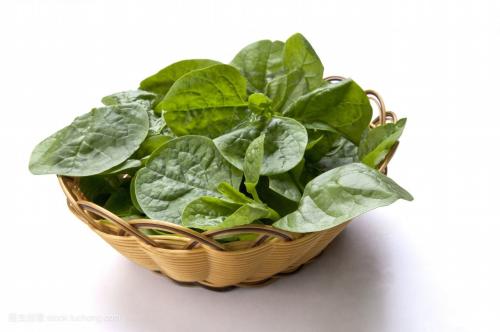
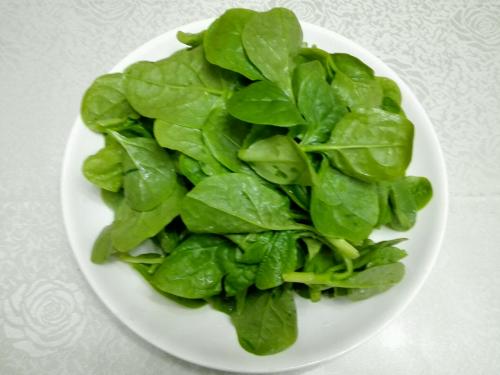
Ceylon spinach (scientific name: Gynura cusimbua), also known as chan cai, luokui, tofu vegetable, or purple angle leaf, is a plant of the genus Gynura. It is a perennial tall herb, 1.5-2 m tall. Its flowering and fruiting period is September to October. Ceylon spinach is eaten as seedlings, tender shoots, or tender leaves. It has a soft, tender, and smooth texture and high nutritional value. It can be used in soups, stir-fried, blanched, or served cold. It has a delicate fragrance, and when chewed it is crisp and refreshing like eating wood ear, hence the name Ceylon spinach. It is commonly cultivated in both northern and southern China. In the tropical regions of the south, it can be cultivated as a perennial, while in the north it is mostly cultivated as an annual.
Cultivation Methods
1. Fertilization and Land Preparation
Ceylon spinach is a vegetable that is relatively sensitive to cold, so its ability to adapt to high temperatures is quite good. It is generally more suitable for cultivation in loose, sandy soil. Ceylon spinach needs sufficient water throughout its entire growth process, so when selecting a site, attention should be paid to having a good drainage and irrigation system. When preparing the land, special attention should be paid to applying a sufficient amount of farmyard manure as base fertilizer. At the same time, deep plowing and deep planting are required. After turning the soil over, beds should be made. Generally, making beds about one meter wide is sufficient. When making the beds, the field ditches used for drainage and irrigation should also be prepared so that they can be used directly when needed.
2. Seed Treatment
The seeds should be soaked before sowing, because the seed coat of Ceylon spinach is relatively hard. If sown directly without treatment, they may not germinate for a very long time. When soaking the seeds, pay attention to the water temperature and duration. First, soak them in water at about 50 degrees for half an hour, then soak them in water at about 30 degrees for five to six hours. Finally, remove the seeds and place them in a warmer place for germination. Generally, after three to four days, the white sprouts will emerge, and then they can be sown.
3. Sowing and Transplanting
There are two sowing methods. The first is to broadcast the seeds evenly on the bed at a spacing of 40 cm between rows and 30 cm between plants. The second is to first broadcast the seeds to raise seedlings, and when the seedlings grow three to four leaves, transplant them. The spacing between each plant and each row is also 40 cm between rows and 30 cm between plants.
4. Field Management
5. Disease Prevention
The main diseases of Ceylon spinach are brown spot disease and gray mold. Brown spot disease mainly harms the leaves, causing brown spots to appear on the leaf surface, and in severe cases the entire plant may wither. Gray mold, on the other hand, causes water-soaked light green spots, and diseased stems are prone to bending, collapsing, and rotting. We generally spray once every five to seven days with a 600-fold dilution of 72% Kelu wettable powder, or a 600-fold dilution of 75% chlorothalonil wettable powder, or a 1000-fold dilution of 70% thiophanate-methyl wettable powder for control. Doing this continuously two to three times basically solves the problem.