Planting Methods and Care Tips for Sedum hispanicum
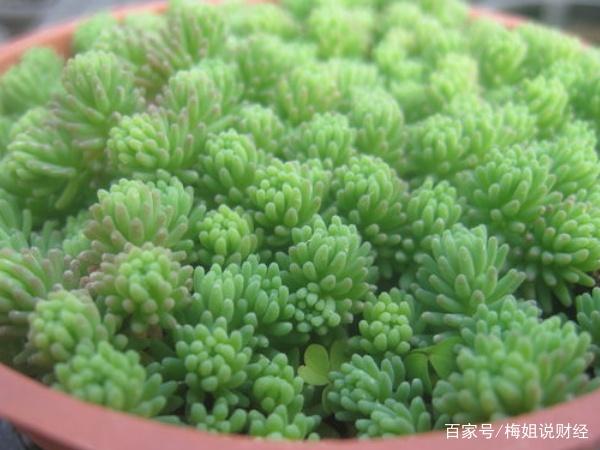
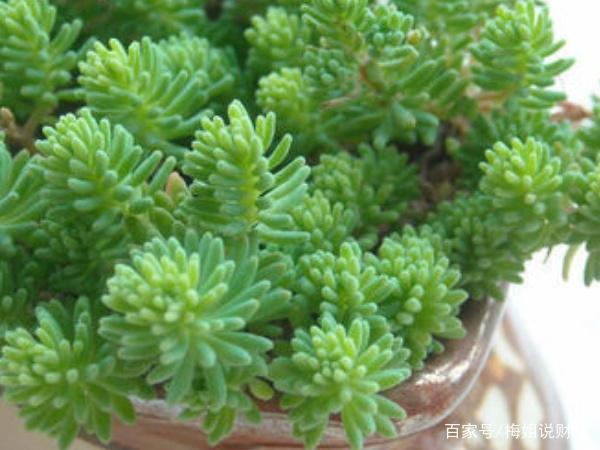
Sedum hispanicum , scientific name: Sedum hispanicum, is a perennial herbaceous plant in the Crassulaceae family, genus Sedum, widely distributed from southern Europe to Central Asia. Native to Spain, it is also called Spanish stonecrop. It fears heat and tolerates cold. Its roots are fibrous, its stems grow creeping, its leaves are club-shaped and densely packed, and it blooms.
Propagation Methods
Sedum hispanicum can be propagated by division along with repotting; the method is to separate the clustered plants and plant them individually. It can also be propagated by cuttings during the growing season; there are no strict requirements on the length of the cuttings, and they will take root and survive as soon as they touch soil.
Growing Methods
1. Sedum hispanicum has a very strong ability to resist drought and tolerate moisture; as long as it is not exposed to prolonged drought or dampness, it can grow well. Therefore, during cultivation you can wait until the soil is dry before watering it again. If it is kept in a dry environment for a long time, its leaves will wilt, but there is no need to worry, because at that point simply watering it thoroughly will let it recover within a few days.
2. Sedum hispanicum is well known for its ability to withstand sun exposure; generally, apart from giving it proper shade in the hot summer, you can provide it with a full-sun growing environment. Only good lighting conditions will let it grow better. If the plant's shape is not compact enough, the leaves are loose, and the leaf color becomes dull, this is generally caused by insufficient light; at that time you should increase the lighting time and appropriately reduce watering.
3. As mentioned earlier, Sedum hispanicum belongs to the succulent plants, so everyone should also know that most succulents like a well-ventilated environment, and growing in a well-ventilated environment can improve the plant's resistance. When acclimating the seedlings, plant them in moist soil and then place them in a bright, well-ventilated spot; after five to seven days, let the plant gradually receive light until it grows in full sun.
4. Sedum hispanicum also has a relatively high ability to withstand high temperatures. In summer, at a temperature of 35 degrees, as long as you provide it with good shade, strengthen ventilation, and reduce watering, it can also grow normally. In winter, the temperature should be kept above 5 degrees; if it is below 5 degrees, move the plant to a sunny spot indoors and it can pass the winter safely.
Precautions
1. During cultivation, the plant must receive sufficient light to grow better; even in summer it does not need to be shaded. Sedum hispanicum can also grow in an environment with poor light, but its shape will not be compact enough, reducing its ornamental value, and the plant's resistance will also be affected.
2. Because Sedum hispanicum tolerates poor soil, during cultivation it does not have a great demand for nutrients; as long as there is enough water, that is sufficient. In winter, it is best to use warm water for watering to prevent freezing. When watering during the growing period, be careful not to let water accumulate in the potting soil, and on rainy days provide it with rain protection to avoid root rot.
3. Sedum hispanicum grows relatively quickly; in order to maintain its appearance, prune it promptly. If the plant grows too densely, consider dividing it into separate pots to maintain a better shape. When dividing the pots, be careful not to damage its roots and stems, and also be careful not to break the branches, so as not to affect its ornamental quality.
Sedum hispanicum is an elegant, delicate, and interesting small succulent plant. Its branches and leaves grow relatively densely and it has strong coverage, so planting it on a roof as a greening plant is also a very good choice. The above is all the content the editor wants to share with everyone. Overall, Sedum hispanicum is a relatively easy plant to grow; you only need to pay attention to ventilation, lighting, and watering. As long as you do these three things well, you will definitely be able to grow Sedum hispanicum very well.