Tumi Flower Planting Methods and Care Tips Explained
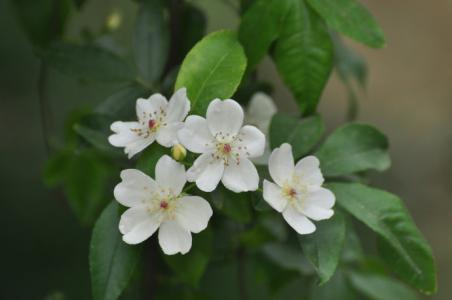
Tumi flower, also known as Rubus rosifolius (Xuan Gou Zi Qiang Wei), belongs to the Rosaceae family. It is a deciduous or semi-evergreen trailing small shrub with climbing stems. The stems are green and bear hooked thorns. It has pinnately compound leaves with elliptical leaflets that have numerous lateral veins, creating a wrinkled texture.
Growing Environment
The Tumi flower plant prefers a warm, sunny environment and is relatively drought-tolerant, but it is afraid of waterlogging. Therefore, during cultivation, we must remember to control the amount of watering. Its suitable growing environment is between 20-28°C. During the growing season, it has a high demand for fertilizer and needs regular fertilizing. As for soil, it is best to choose loose, fertile sandy soil. This type of soil has good drainage and aeration, allowing the plant to breathe better and absorb nutrients.
Tumi Cultivation Methods
1. Its commonly used propagation methods are generally cuttings or layering, which are similar to those of roses, but its management can be a bit more extensive than that of roses.
2. Watering: During the flowering period, it can be watered according to weather conditions. Generally, watering about 3-4 times is enough. As long as the soil moisture is maintained, watering can be reduced in autumn.
3. Fertilizing: When first planting, apply sufficient base fertilizer. When the flowering period arrives, fertilize appropriately.
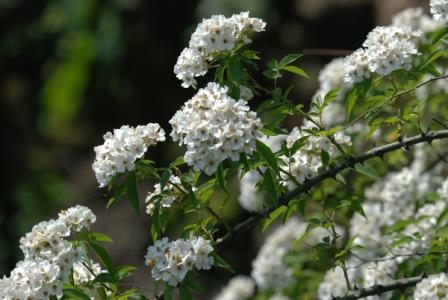
4. Pruning: Prune once a year before spring budding. Pruning should be moderate; keep the length within 1.5m and cut off the rest. Each side branch should retain 3-5 buds at the base. At the same time, remove dead branches, thin and weak branches, and diseased or pest-infested branches, and cut off overly old and dense branches to encourage new shoots to sprout. By continuously renewing the old plant, it can bloom abundantly year after year.