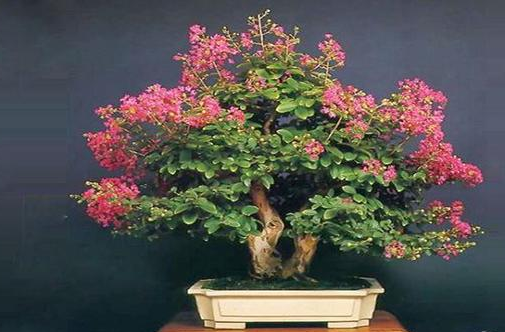
Detailed Explanation of Crape Myrtle Planting Methods and Technical Points
Crape myrtle flowers prefer a warm and humid environment, like light, tolerate slight shade, and like fertilizer. Crape myrtle flowers especially prefer deep and fertile sandy loam, grow well in places with slight moisture, and are also drought-tolerant but hate waterlogging. Crape myrtle flowers should not be planted in low-lying and wet places with a high groundwater table. Crape myrtle flowers also have a relatively strong resistance to pollution, are relatively resistant to sulfur dioxide, hydrogen fluoride and chlorine gas, and have an excellent ability to purify the air.
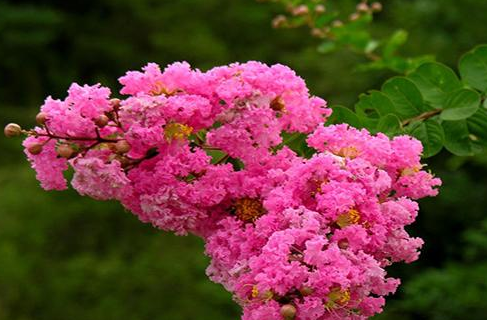
1. Strengthen light exposure. Crape myrtle flowers like sunlight, and during the growing season they must be placed in a sunny spot outdoors.
2. Water crape myrtle flowers at the right time. During the growing season, crape myrtle flowers have a high demand for water and need the soil to remain moist. In spring and winter, keep the potting soil moist; in summer and autumn, water once each in the morning and evening, and in high-temperature seasons the number of waterings can be increased. During the rainy season, drainage work should be done well to prevent root rot caused by excessive water. It is not suitable to water in autumn.
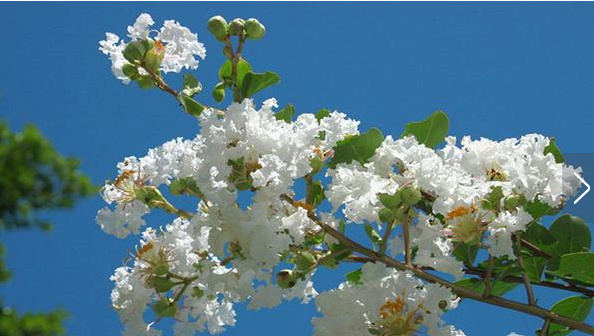
4. Prune crape myrtle flowers reasonably. Crape myrtle flowers tolerate pruning, have strong branching ability, and have a large amount of new shoot growth. Therefore, after flowering, the spent flowers should be cut off, which can prolong the flowering period. Excessive growth branches, overlapping branches, crossing branches, radiating branches and diseased branches should be cut off at any time to avoid consuming nutrients.