A Detailed Guide to the Planting Methods and Key Technical Points for Radermachera sinica
Radermachera sinica, also called the China doll tree, is a small tree distributed in the tropical regions of China as well as in India, the Philippines and other places. The leaves of Radermachera sinica are lush and green, giving it excellent ornamental value. In addition, Radermachera sinica can also be used as medicine, with the effect of clearing heat and detoxifying.
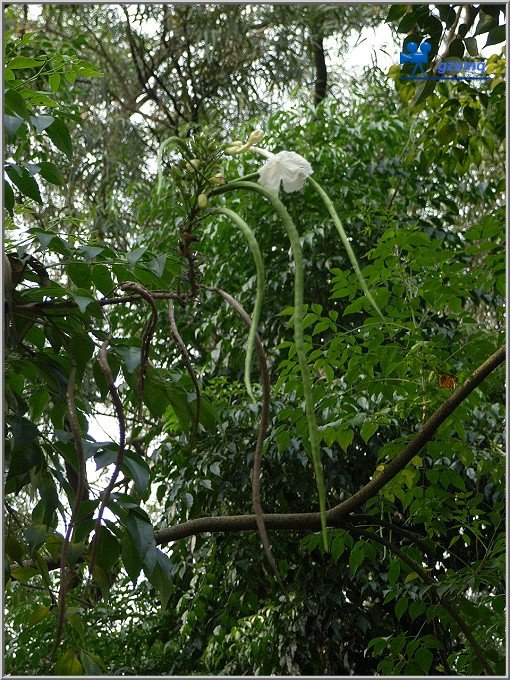
Field Management
Temperature: Radermachera sinica prefers a warm, hot environment, with an optimum growth temperature of 20°C to 30°C. During the intense heat of midsummer, when the ambient temperature reaches above 30°C, shade should be provided appropriately with a shed, and when the ambient temperature drops to around 10°C, it should be moved promptly into a shed or room. During the winter, it is best to maintain a shed or room temperature of no less than 8°C, and the minimum must not fall below 5°C, so as to avoid cold damage to the leaves or leaf drop. For household potted plants, they can be moved indoors where there is air conditioning or an electric heater, ensuring the room temperature is not lower than 8°C so that they can pass the winter safely.
Water: Cultivating Radermachera sinica requires a relatively moist soil and display environment. During the seedling stage, the seedbed should be kept moist, and after the beginning of summer even more attention should be paid to water. For potted Radermachera sinica, in order to keep it from growing too tall, when new shoots emerge in spring, watering can be appropriately controlled, keeping the potting soil relatively moist. For potted plants displayed indoors, in addition to keeping the potting soil moist, during hot seasons the plant should also be sprayed with water 2 to 3 times a day. For plants placed outdoors for care in summer and autumn, spraying of the plant and the surrounding micro-environment must be strengthened, to create a cool and moist suitable environment for them. For plants placed indoors in winter, since the general indoor temperature is below 10°C, the plant enters a dormant state, so it should not be watered too much, to avoid water accumulation and root rot; every 2 to 3 days, around noon on a fine day, spray the plant once with slightly warm clean water, to maintain its fresh appearance and also to increase the ambient humidity. In addition, Radermachera sinica can also be grown by hydroponics.
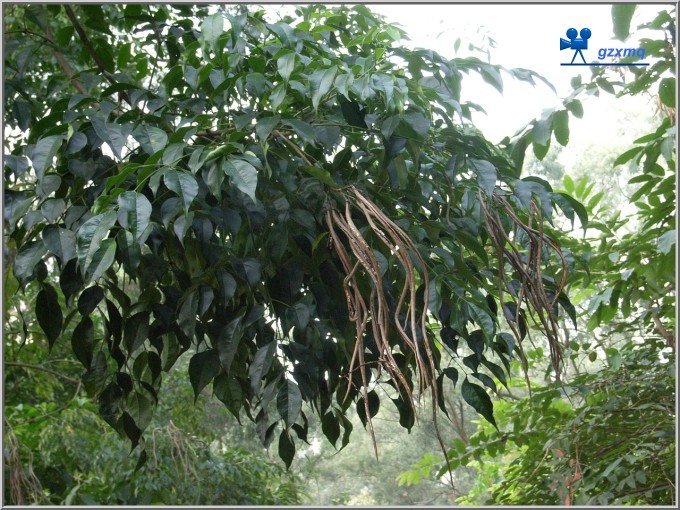
Soil: For potted Radermachera sinica, a loose, fertile culture soil that drains and breathes well and is rich in organic matter should be chosen. It is usually mixed using 5 parts garden soil, 3 parts leaf mold, 1 part decomposed organic fertilizer and 1 part river sand. During the growing season, loosen the soil once a month to ensure the root area is always in a well-aerated state. In the plum rain season, for potted plants placed in the open air, check the potting soil promptly after each heavy rain; if water accumulation is found in the pot, drain it as soon as possible, and after the potting soil has dried out, repot and change the soil. Under normal circumstances, for small and medium-sized plants kept as household potted plants, repotting can be done once a year in early April when they are brought out, to meet their soil fertility needs for the whole year's growth.
Fertilizer: For potted Radermachera sinica, in addition to adding an appropriate amount of decomposed cake fertilizer and 3% multi-element compound fertilizer to the culture soil, topdressing should also be given continuously. During the growing season, a quick-acting liquid fertilizer can be applied once a month, usually decomposed cake fertilizer water. For a small number of household potted plants, or for large potted plants displayed in public places for a long time, a small amount of multi-element slow-release compound fertilizer granules can be buried and applied regularly, or a mixed solution of 0.2% urea plus 0.1% potassium dihydrogen phosphate can be applied. For potted plants in northern regions, after the Mid-Autumn Festival, 0.3% potassium dihydrogen phosphate solution can be applied 2 to 3 times in succession, to increase the plant's cold resistance and help it pass the winter safely. When the summer temperature is above 32°C, and after the temperature falls below 12°C in late autumn and early winter, topdressing should be stopped.
Main Value:
The roots, leaves and fruits are used as medicine; they can cool the blood and reduce swelling, and are used to treat high fever, bruises and injuries, and venomous snake bites. The wood is yellowish brown, somewhat coarse and heavy in texture, with distinct annual rings, and can be used as building material. The branches, leaves and roots are also used to treat bovine anthrax.