How to Plant and Care for the Brazil Iron Tree
The Brazil iron tree (Dracaena fragrans), also known as the corn plant, Brazil millennium tree, and striped dracaena, is a world-famous new-generation indoor foliage plant with a graceful, neat shape. It is an evergreen tree of the genus Dracaena in the family Liliaceae, reaching a height of more than 8 m, with potted specimens 50 to 150 cm tall, and has extremely high ornamental value for cultivation.
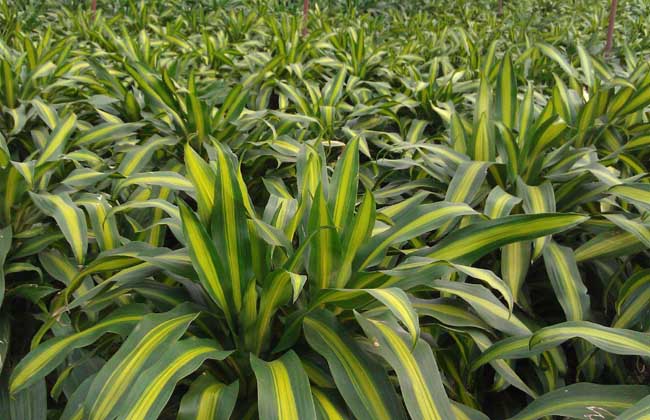
Propagation method:
The Brazil iron tree is commonly propagated by cuttings. During cutting, the temperature should be kept above 22 degC; higher temperatures help rooting sooner. Take the top branches trimmed from an old plant, cut them into sections 8 to 10 cm long, and insert them into a plain sand bed (or pot), keeping a certain humidity; roots will form after 1 month. Water propagation can also be used, with the cuttings inserted into water to a depth of 2 to 3 cm. When propagating in water, be careful not to reverse the top and bottom ends of the cuttings, otherwise rooting will be affected.
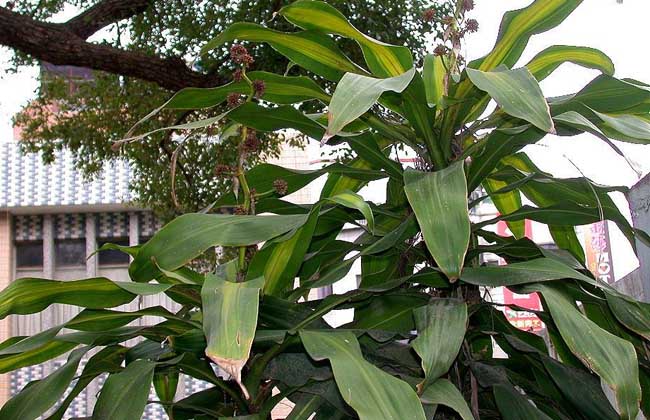
Cultivation methods:
LightThe Brazil iron tree likes a warm environment with plenty of light. It is fairly shade-tolerant and cold-tolerant, but it also fears scorching sun exposure. Therefore, when cultivating it, place it near a balcony where it receives direct sunlight or plenty of diffused light. Adequate light absorption allows it to carry out photosynthesis well, and full plant growth can keep the home's air fresh and breathing easy.
TemperatureThe optimum growing temperature for the Brazil iron tree is 20 degC to 28 degC, the dormancy temperature is 13 degC, and the overwintering temperature is 5 degC. If the temperature is too low, yellow-brown spots will appear on the leaf tips and leaf margins, and in severe cases the tender branches or the whole plant may be damaged by freezing. Therefore, in the north it must be moved into a greenhouse for the winter. For indoor placement, it should be placed in a spot with light, and the room temperature should preferably be kept at 6 degC to 8 degC or above. When the temperature drops at night, a plastic bag can be put over it to keep it warm; when the sun comes out during the day and the room temperature rises, the plastic bag should be removed promptly to allow heat to dissipate and the temperature to drop, preventing damage from stuffiness. If the room has heating equipment, place the pot farther away to prevent the branches and leaves from being dried out or scorched. Also pay attention to indoor air circulation, but when opening doors and windows, do not let cold wind blow directly onto the branches and leaves, and do not casually move it outdoors to sunbathe, so as to prevent freezing damage.
SoilThe Brazil iron tree is suited to loose, fertile, well-draining sandy loam. When planting, ensuring smooth drainage for the Brazil iron tree greatly reduces water accumulation in the potting soil, prevents root rot, and also allows it to grow healthily and vigorously.
WateringThe Brazil iron tree does not need much water, but its humidity requirements are relatively high. After potting, water thoroughly to settle the roots, then place it in a brighter indoor spot or under a shade shed for care. The potting soil should be kept moist, and the leaves should be sprayed with water frequently to raise the air humidity of the surrounding environment, but the potting soil should not be allowed to accumulate water, lest poor ventilation and air permeability cause root rot. During the growing season in the north, in spring, summer, and autumn, water once every 2 to 3 days on sunny days, and spray the leaves once to twice a day. After late autumn, watering should be controlled, keeping the potting soil only slightly moist. In winter, watering should be controlled, keeping the potting soil half dry and half moist; too much water will cause root rot and scorched leaves.
FertilizingDuring growth, the Brazil iron tree consumes some of its own nutrients. If fertilizer is not applied in time at this point, it will lack staying power and gradually decline. During the growing season, first bury organic fertilizer at the base or along the edges, then apply liquid fertilizer once every 15 to 20 days, or compound fertilizer once to twice, to ensure lush growth of branches and leaves. Fertilizer should be applied diluted and thin; never use concentrated fertilizer. The fertilization period is from May to October each year. Stop fertilizing in winter and move it indoors to overwinter.