A Detailed Guide to Sweet Pepper Planting Methods and Technical Points
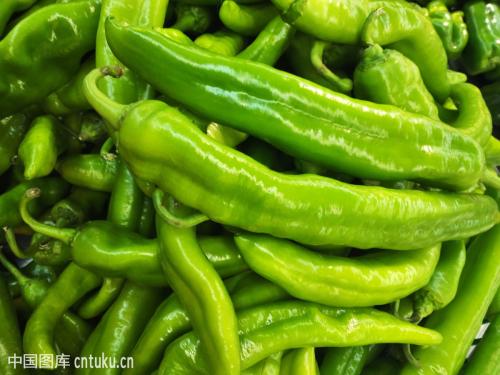
Sweet pepper planting methods:
First is the seedling raising time. Generally, seedlings are raised in advance before planting, about 1 to 2 months earlier.
Next is the treatment of sweet pepper seeds during seedling raising. You can choose chemical soaking of the seeds, or you can choose the conventional warm water soaking. There is no real difference in merit between these two methods: chemical soaking is mostly for preventing the common pepper anthracnose, viral disease and bacterial spot disease, while warm water soaking is for sterilization, to prevent the occurrence of pepper scab and sclerotinia disease.
Then comes sowing and thinning of seedlings. When planting sweet peppers, the seedbed soil should preferably be soil that has not grown solanaceous fruit vegetables for three years. The seedbed soil should be sieved, and each square meter of seedbed should be given 10 kg of high-quality organic fertilizer. The seedbed should be 10 cm high and leveled. Before sowing, water thoroughly to soak the bed; after the water has completely seeped down, cover with a layer of fine soil, spread the germinated seeds evenly on top, cover with 5 mm of soil after sowing, and promptly cover with plastic film and set up a small arched shed to increase temperature and retain moisture, promoting early emergence of seedlings. When the cotyledons of the seedlings have flattened out, thin them in time, pulling out the overcrowded, diseased, deformed and poorly growing weak seedlings; after thinning, cover with soil again to protect the roots.
Finally comes seedling separation and transplanting. When the sweet pepper seedlings grow to 4-5 true leaves, they should be separated and transplanted. They can be transplanted at a hole spacing of 7*7 cm, with about 2 plants placed in each hole, and then covered with the prepared fine seedbed soil and filled in firmly.
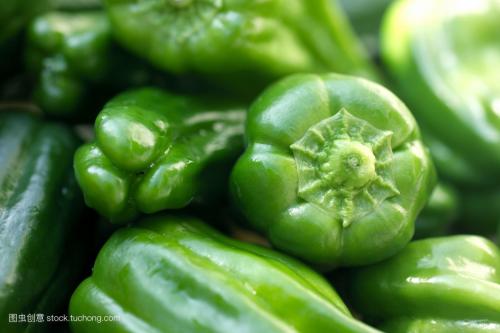
Sweet pepper cultivation methods:
1. Seedling raising: Raising strong seedlings that have formed buds, with well-developed leaves and roots, active physiology and strong stress resistance, is the foundation for high and stable sweet pepper yields. For seedling age, seedlings with large buds need 75-85 days, and seedlings with small buds need 65-75 days. During seedling raising, you should first ensure neat and uniform emergence after sowing. When soaking seeds, perform water selection to remove unfilled seeds. Soak the seeds in warm water for 7-8 hours, drain the water thoroughly after soaking, and place them at 25-30 degrees C to germinate. After sowing, cover uniformly with 1 cm of soil, and during the emergence period the soil temperature should not be lower than 17-18 degrees C.
Take measures to make the seedling root system well developed. First, prepare seedbed soil that is well aerated and fertile. Second, the number of seedling separations should not be too many, and care should be taken to protect the roots, avoiding excessive root damage. The last seedling separation should ensure a relatively large nutritional area. When separating seedlings in pairs, pair large with small, avoiding the large suppressing the small. In management, focus on promoting growth, giving relatively high temperature and humidity, which is the so-called "hot seedling raising." Gradually harden the seedlings 7-10 days before transplanting; hardening should mainly be by lowering temperature, appropriately controlling water, and avoiding drought-based seedling hardening that damages the roots.
2. Land preparation and base fertilizer application: Choose fertile loam or sandy loam on relatively high, dry terrain that can both drain and be irrigated. Apply sufficient high-quality, thoroughly decomposed, large amounts of slow-release organic fertilizer as base fertilizer. The whole growth period requires a supply of 50-75 kg of pure nitrogen per mu (667 square meters), with a nitrogen, phosphorus and potassium ratio of 1:0.5:1.
3. Transplanting: The transplanting period must begin when the late frost has ended and the daily average temperature is stable at around 17 degrees C. Pepper roots are distributed relatively shallowly, so it is best to transplant in shallow furrows, cover with shallow soil at transplanting, and gradually hill up the soil into ridges later.
The planting density of sweet peppers varies with variety and length of the growing period. The general production density is 3000-4000 holes per mu (two plants per hole), with a row spacing of 50-60 cm and a plant spacing of 25-33 cm.
4. Field management: Sweet pepper is characterized on one hand by liking warmth, fertilizer and water, and on the other by not tolerating high temperatures, high fertilizer levels and, above all, waterlogging. Detailed field management should be carried out in combination with climatic conditions. After transplanting, promote rooting and vine growth; during the full fruit stage, promote vine growth and push for fruit; in the later stage, preserve the vines and increase income.
After transplanting, the soil temperature is low and the seedling root system is small and weak, so one should promote greatly and control slightly, that is, water lightly, topdress early, cultivate frequently, and do light seedling hardening, in order to increase temperature and preserve soil moisture and promote rooting. After the seedlings survive transplanting, irrigate to help them recover, but avoid flood irrigation. If the base fertilizer is insufficient, apply "seedling-lifting fertilizer" together with watering. Also irrigate an appropriate amount to prevent drought and promote rooting and vine growth. When the fruit reaches 2-3 cm in size, apply chemical fertilizer together with watering; the topdressing should be mainly nitrogen fertilizer, combined with some phosphorus and potassium fertilizer, to make the plants robust and prevent flower drop. The side branches on the main stem below the first flower should be removed in time.
From the start of harvest to the full fruit stage, the first fruit and the four-direction fruit are expanding rapidly, the 4th-6th layer fruits are also flowering and setting fruit one after another, and the crop enters the high-temperature season of midsummer, with pests and diseases occurring one after another. This is the key period that determines yield. If the early growth foundation is poor and management during this period is inadequate, plant growth will stagnate and viral disease symptoms will quickly appear. To prevent premature aging, the first fruit should be harvested early, watering should be timely, and the soil should be kept moist regularly, preserving the vines and pushing for fruit, striving to close the rows before the high-temperature season and enter the full fruit stage. Before closing the rows, hill up the soil to protect the roots, prevent lodging, and apply fertilizer.
After sweet peppers enter the full fruit stage, it is precisely the high-temperature season. High temperature and drought induce the occurrence and spread of viral disease, while high temperature and heavy rain often also lead to a viral disease epidemic, the so-called "waterlogging solitary". During the disease period, flower and fruit drop is severe, sometimes with heavy leaf drop, causing serious yield reduction. During high temperature and drought, water lightly and frequently in the morning and evening to suppress the occurrence and development of viral disease. After the high-temperature rainy season passes, the temperature gradually turns cooler and the plants resume normal growth; water in time and topdress with quick-acting fertilizer to promote a second peak of flowering and fruit setting and increase late-stage yield.
5. Harvesting: Generally, the best quality is obtained when the fruit has fully grown, is firm, and has deepened in color with a glossy sheen. Early fruit should be harvested ahead of time to avoid burdening the vines.