A Detailed Guide to Atractylodes macrocephala Planting Techniques and Cultivation Management
Atractylodes macrocephala (zhu), Latin scientific name Atractylodes macrocephala . Also known as fuji, yuzhu, winter atractylodes, xizhu, yangfu, wuzhu, pianzhu, cangzhu, etc., it is a perennial herbaceous plant of the Asteraceae family and the genus Atractylodes. It prefers a cool climate, and its rhizome is used as medicine, possessing multiple medicinal functions.
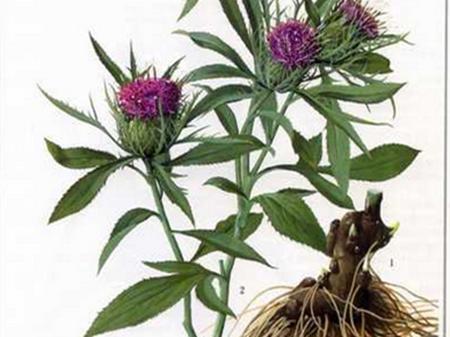
Cultivation Techniques
Land Preparation and Fertilization
Propagation Methods
(2) Transplanting: Transplanting can be done from the winter of the same year to the spring of the following year. The best transplants are those that do not sprout leaves or flower in the current year, have robust main buds, and have small, neat rhizomes the size of apricot kernels. When transplanting, trim off the fibrous roots, open furrows 10 cm deep at a row spacing of 25 cm, place the seedlings in the furrows at a plant spacing of about 15 cm with the bud tips facing up and level with the ground surface. After planting, press down lightly on both sides and water. Generally, 50-60 kg of fresh atractylodes is needed per 667 sq m.
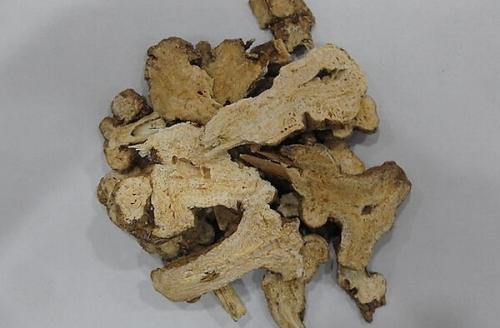
Field Management
(3) Pests and diseases: Common ones include damping-off disease, leaf blight, southern blight (rhizome rot), root rot, rust, atractylodes seed worm, sclerotinia disease, mosaic disease, armyworm, aphids, root-knot nematodes, black cutworm, southern dodder, etc.
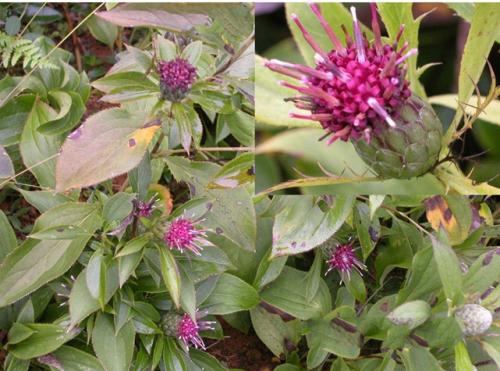
Pest and Disease Control
(1) Damping-off disease Occurs easily under low temperature and high humidity, mostly in transplant fields, damaging the rhizome. Control methods: reduce field humidity; in the early stage of the disease, drench with a 1000-fold dilution of 50% carbendazim.
(2) Iron leaf disease, also called leaf blight. It begins in April and is especially severe from June to August, damaging the leaves. Control methods: remove diseased plants; in the early stage of the disease, use a 1:1:100 Bordeaux mixture, and in the later stage spray with a 1000-fold dilution of 50% thiophanate-methyl or carbendazim.
(3) Southern blight Also called rhizome rot. The onset period is the same as above, damaging the rhizome. Control methods: rotate with grass-family crops; remove diseased plants and disinfect the diseased holes with quicklime powder; disinfect the soil with Trichoderma harzianum before planting.
(4) Root rot Also called rotting root disease. The onset period is the same as above, and it is especially severe when humidity is high, damaging the roots. Control methods: breed resistant varieties; rotate with grass-family crops, or rotate between paddy and dryland; soak seeds in a 1000-fold dilution of 50% carbendazim for 5-10 minutes before planting; in the early stage of the disease, drench the affected area with a 1000-fold dilution of 50% carbendazim or 50% thiophanate-methyl. In areas with severe underground pest damage, drench with a 1000-1500-fold dilution of dimethoate or an 800-fold dilution of trichlorfon.
(5) Rust disease Begins in May, damaging the leaves. Control methods: clean the field; in the early stage of the disease, spray with a 1000-fold dilution of 25% triadimefon.
(6) Atractylodes seed worm: Begins in the early flowering stage, damaging the seeds. Control methods: plow deeply and freeze the soil; rotate between paddy and dryland; in the early flowering stage, spray with an 800-fold dilution of 80% dichlorvos.
In addition, there are also damages from sclerotinia disease, mosaic disease, aphids, root-knot nematodes, southern dodder, black cutworm, and so on.