Detailed Guide to the Planting Methods and Steps for the Cast Iron Plant
The cast iron plant (Latin scientific name: Aspidistra elatior Blume.), also known as the spider-plant, with the alternative names large-leaf evergreen, bamboo-leaf tray, nine-dragon tray, bamboo-joint sinew-stretcher and so on, is a plant of the genus Aspidistra in the family Liliaceae.
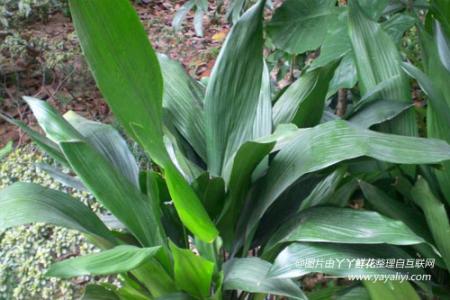
Planting Methods
1. Choosing soil: The cast iron plant has no strict requirements for soil and can tolerate poor soil, but it grows best in fertile, loose-textured, well-drained sandy soil.
2. Planting: ① At the drainage hole at the bottom of the flower pot, lay a few pieces of broken brick or tile, then add a small amount of soil.
② Place the cast iron plant seedling into the pot and continue filling with soil; the cast iron plant needs to be planted shallowly, as deep planting easily affects its growth.
③ Water thoroughly, and place the flower pot in a shaded, cool spot for care.
3. Temperature: The cast iron plant likes warmth and is also fairly resistant to cold. The suitable temperature for growth is about 15°C, but it will not suffer cold damage even at around 5°C. In winter, when the temperature is above 0°C, it can overwinter smoothly.
4. Watering: ① The cast iron plant likes moisture, and the planting environment should be shady and humid. During its peak growth period, the plant needs sufficient water and can be watered once a day.
② In summer and autumn, when the climate is dry, in addition to watering every day, spray water on the leaf surfaces of the plant 1-2 times a day to maintain a relatively high air humidity.
③ In winter, water less; keeping the soil slightly dry is enough, otherwise the plant's root system is prone to rotting.
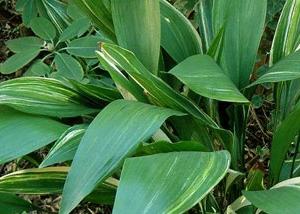
5. Light: The cast iron plant likes a semi-shaded environment and has a wide range of adaptability to light. Whether under full-sun conditions or in a very shady spot, it can grow. The cast iron plant has a very strong ability to tolerate shade, but during the growing season it should receive very sufficient light. The cast iron plant cannot tolerate prolonged strong sunlight; when the sunlight is strong in summer, it should be cared for under a shade frame to prevent the leaves from turning yellow or getting scorched.
6. Fertilizing: During the vigorous growth period of the plant in spring and summer, mainly apply nitrogen fertilizer; you can apply a low-concentration liquid fertilizer 1-2 times a month to promote the sprouting of new leaves and healthy, robust growth. In winter, do not apply additional fertilizer to the plant.
7. Propagation: The cast iron plant is propagated by division. It can be done throughout the year, usually in spring when repotting.
8. Pruning: The cast iron plant grows relatively quickly. In daily care, pay attention to thinning the seedlings, and cut off dry and yellowed leaves as early as possible to improve ventilation, reduce the loss of nutrients, and decrease the occurrence of pests and diseases.