Cockscomb Planting Methods and Key Technical Points
Cockscomb (scientific name: Celosia cristata L.), Chinese aliases: cockscomb flower, laolaihong, reed cockscomb, pen cockscomb, small-head cockscomb, feather cockscomb, big rooster flower, cockscomb root, red cockscomb. An annual herbaceous plant that blooms in summer and autumn. The flowers are mostly red and shaped like a rooster's comb, hence the name. Native to Africa, tropical America and India. It likes full sunlight, heat and humidity, and is not tolerant of frost. It does not tolerate poor, thin soil and prefers loose, fertile, well-drained soil. It is widely cultivated around the world as an ordinary garden plant. It also has high medicinal value.
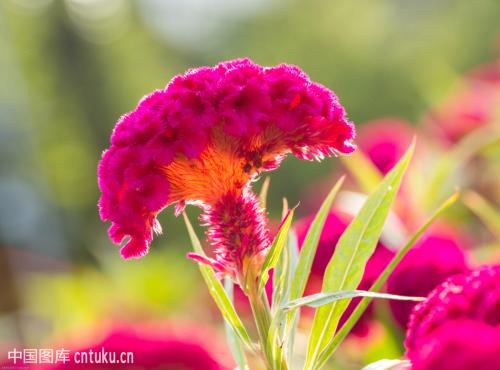
Cockscomb planting methods:
Start sowing in spring (around March to April). Loosen the soil well and, if conditions allow, mix in an appropriate amount of base fertilizer. Then mix the cockscomb seeds with fine soil and scatter them evenly over the soil, cover with fine soil, water thoroughly, then keep the soil moist and wait for germination (germination takes about 1 week).
After the cockscomb germinates, watering should be properly controlled; do not water too much. When the seedlings grow to 3-5 cm, some weak seedlings can be removed as appropriate, keeping the strong ones. Transplanting can be done as needed, and water promptly after transplanting, but do not let water accumulate.
Transplant when the seedlings have 2 leaves, planting them separately into pots or in open ground. When potting cockscomb, it should be planted slightly deep, keeping only the cotyledons above the pot soil surface; use a 1:1 mix of loam and fertile soil. If you want to grow large cockscomb, a larger pot is needed, but be careful not to let the root ball break apart, otherwise the recovery period will be too long or the plant may even die.
During the growing period, cockscomb needs sufficient light, ensuring at least 4 hours of light per day. When the cockscomb grows to about 30 cm, it can be given a topdressing once. After topdressing, cut off the excess leaves on the plant. When it blooms, water properly and more generously, and remove the excess flower buds from the cockscomb stem.
Cockscomb flowering time: for open-ground sowing, generally in April-May, and it can bloom in August-September. ***The most suitable flowering temperature is 24~25°C. If sown in June, it can bloom around National Day.
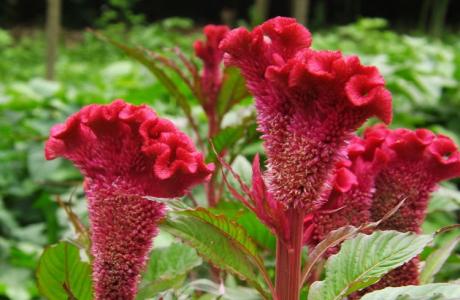
Planting
Field Management