Detailed Explanation of Faba Bean Planting Methods and Technical Points
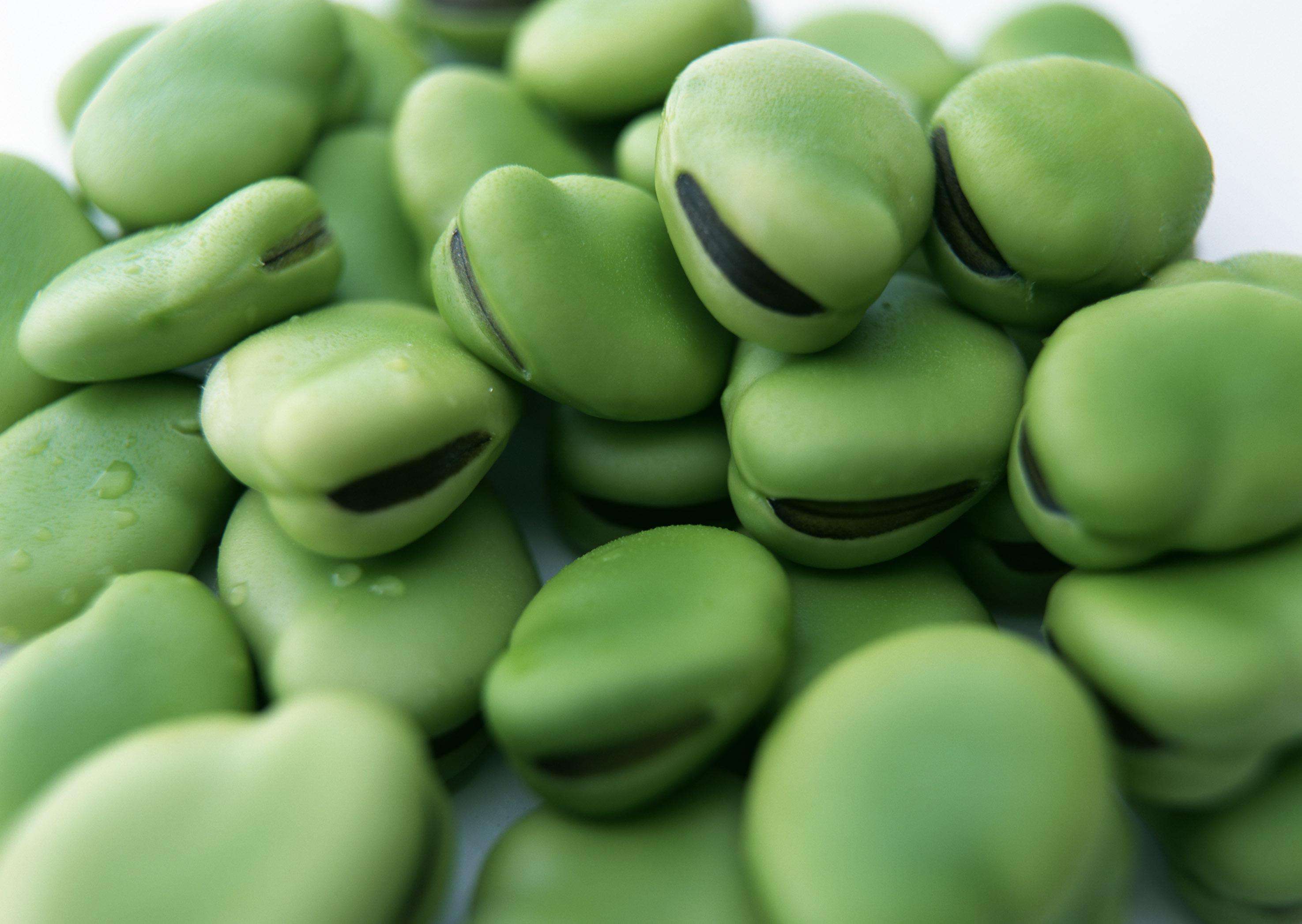
Faba bean (scientific name: Vicia faba L.): an annual herb of the Fabaceae family, 30-100 cm tall. The main root is short and thick, with many fibrous roots; the root nodules are pink and densely clustered. The stem is stout, upright, four-angled, hollow and hairless. The even-pinnate compound leaves have a leaf axis whose tip tendril is reduced to a short pointed tip; the stipules are halberd-shaped or nearly triangular-ovate, slightly serrate, with dense dark purple glandular dots; the leaflets are usually hairless on both surfaces. The raceme is axillary, with the pedicel nearly absent; the calyx is bell-shaped, with lanceolate calyx teeth, the lower calyx teeth longer; 2-4 (6) flowers are borne in clusters in the leaf axils, with a white corolla; the style is densely covered with white soft hairs. The pod is thick and fleshy, and the skin turns black after ripening. The seed is oblong-rounded, nearly rectangular, concave in the middle, with a leathery seed coat, blue-green, gray-green to brown, rarely purple or black; the hilum is linear and black. The flowering period is April-May, and the fruiting period is May-June.
Spring sowing
- Seedling stage management. For faba bean grown with film mulching, after dibbling, immediately cover the sowing holes with ash soil or fine sandy soil to help compact the plastic film and prevent crusting; if crusting occurs, break it in time and release the seedlings in time. In addition, at the seedling stage, special attention should be paid to controlling pests such as root nodule weevils; ensuring the emergence rate of faba bean is key. At the same time, for weak seedlings at the seedling stage, combine intertillage and weeding with a topdressing of 2.0-2.5 kg urea per mu; when fertilizing, avoid letting urea directly contact the faba bean roots, keeping a distance of 3 cm as appropriate.
- Flowering stage management. During the flowering stage, strengthen the prevention and control of diseases and pests such as chocolate spot, bean weevil and aphids, and spray potassium dihydrogen phosphate on the leaves in 1-2 applications. During the flowering and podding stage of faba bean, arrange irrigation according to soil moisture conditions, so as to avoid a large number of flower and pod drop during the flowering and podding stage, and at the same time ensure full grain filling of faba bean and obtain as high a 100-grain weight as possible.
- Harvest at the right time. Harvest when the lower 3-4 layers of pods of 80% of the plants in the field have turned black and the upper pods are yellow-green.