Detailed Explanation of Japanese Pagoda Tree Planting Methods and Technical Points
The Japanese pagoda tree, also known as the Chinese scholar tree, white pagoda tree or domestic pagoda tree, is a deciduous tree of the Fabaceae (papilionaceous) family, often used as a street tree and shade tree. The Japanese pagoda tree has high economic and medicinal value and is an excellent landscaping tree species in China. The common Japanese pagoda tree grows on the North China Plain and on the Loess Plateau at elevations above 100 m; its vitality and adaptability are extremely strong, and it can survive even in very harsh environments.
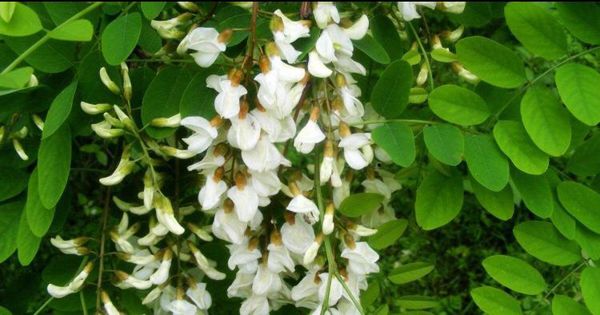
Planting methods for the Japanese pagoda tree:
1. Seed selection. Superior Japanese pagoda tree seeds have the following characteristics: the seeds are relatively plump and have a certain luster; such seeds have cotyledons, and their cotyledons are generally pale green. As the largest purchaser, we have certain requirements for seed purity and also apply certain techniques to seed storage.
2. Scarification and sprouting. Based on successful experience, seed sprouting can be carried out as follows: first soak the seeds in warm water of about 90 degrees; during pouring, keep stirring constantly until the water cools; the soaking time is 24 hours; after the seeds absorb water and swell, take them out and place them in a greenhouse for sprouting.
3. Soil. This seed likes sunlight and fertile land, so this should be noted when choosing a site. In addition, the land must have good drainage; choose clayey, slightly acidic or neutral soil, as this is favorable for seed germination. Before sowing, the land should also be covered with plastic film to keep the soil moist.
4. Sowing method. Generally, dibbling is better; the dibbling spacing is preferably 7 cm, and the depth should not exceed 8 cm. Then apply base fertilizer to the land, sow last, and cover with soil, with the soil thickness not exceeding 2 cm. Afterward, water thoroughly.
5. Tending and maintenance methods. After sowing is finished, a rather serious problem follows closely: careful attention must be paid to insect attacks and protective preparations must be made; the plants also need regular watering and irrigation, and the troublesome weeds must be removed.
Precautions.
The prerequisite for ensuring good growth of the Japanese pagoda tree is to strengthen daily seedling management and care and to promptly prevent and control the occurrence and spread of various diseases and insect pests. When controlling Japanese pagoda tree powdery mildew, canker, inchworms, pagoda tree aphids and other diseases and pests, it is best to act early rather than late. During chemical control, several pesticide solutions should be used alternately to avoid the development of resistance in pathogens and pests, which would affect the control effect.