Detailed Explanation of the Planting Methods and Technical Points for Scutellaria barbata
Scutellaria barbata (scientific name: Scutellaria barbata D. Don) (Jiangsu Province Plant Materia Medica), also known as: Ganshanbian (Chengdu, Sichuan), Shouhuangqin (Puge, Sichuan), Yashuacao (Suzhou, Jiangsu), Tianjicao (Yixing, Jiangsu), Shuihuangqin (Nanjing, Jiangsu), Xiaye Hanxincao (Guangzhou Flora). It is a perennial herbaceous plant of the genus Scutellaria in the family Lamiaceae.
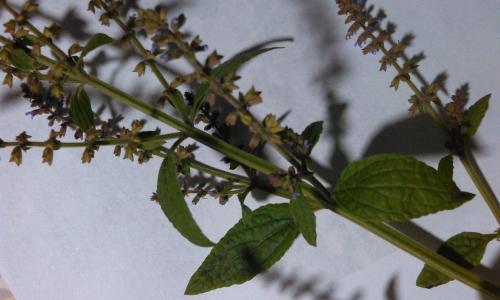
Cultivation techniques for Scutellaria barbata:
Land preparation and fertilization
Select a good plot, spread 2000kg of decomposed barnyard manure per 667m2, plow to a depth of 15cm, and along with plowing, spread 50kg each of ammonium dihydrogen phosphate and urea per 667m2. Rake fine and level, and make beds 1.2m wide.
Seedling raising and transplanting
In the prepared bed, sow at 12~15g/m2. Before sowing, soak the seeds in 60°C water for 24h, remove and let them dry slightly, mix evenly with fine sandy soil (passed through a fine sieve) at a ratio of 1:100, and then spread evenly into the bed. Cover with straw mats or agricultural film, spray water once a day, keep moist, and germination and emergence occur in 15~20d. After the seedlings have all emerged, remove the covering, immediately spray water once, and thereafter spray water once every 3~4d. When the seedlings are 5cm tall, transplant to the field, with row and plant spacing of 20cm each, 1 plant per hole.
Direct seeding in the field
To ensure that all seeds for direct seeding germinate, it is best to sow on rainy days. The time is from September to early October, by drilling or hole sowing. For drilling, open furrows at a row spacing of 25~30cm, with a furrow depth of about 4cm; for hole sowing, open holes at a hole spacing of about 30cm. When sowing, spread the seeds evenly in the furrows, cover with 0.5cm of loose fine soil fertilizer or plant ash, and also cover with agricultural film or straw mats to keep the soil moist. After full emergence, remove the covering and carry out good seedling-stage management.
Field management
Cultivation, weeding, and topdressing. After emergence, when the seedlings are 1~2cm tall, apply 1 thin application of diluted human feces and urine water together with weeding, applying 1000kg per 667m2 as a seedling-promoting fertilizer. When the seedlings are 4~5cm tall, carry out thinning and filling in of seedlings, and finally set the plants at a plant spacing of 3~4cm, while filling in the missing plants. After thinning or setting the plants, apply human feces and urine water 1 time each. Thereafter, keep the field free of weeds, and after each harvest, topdress 1 time to promote the sprouting of new branches and leaves. After the last harvest in November, apply a heavy winter fertilizer, applying 200kg of decomposed barnyard manure and 25kg of cake fertilizer or superphosphate per 667m2, mix and compost them, then open furrows between the rows and apply. After application, cover with soil and earth up to help keep warm and prevent cold.
Drainage and irrigation. During the seedling stage, the soil must always be kept moist and must not lack water. In dry seasons, irrigate in a timely manner. In the rainy season and after each large irrigation, promptly clear the ditches and drain water to prevent waterlogging from drowning the roots and seedlings.
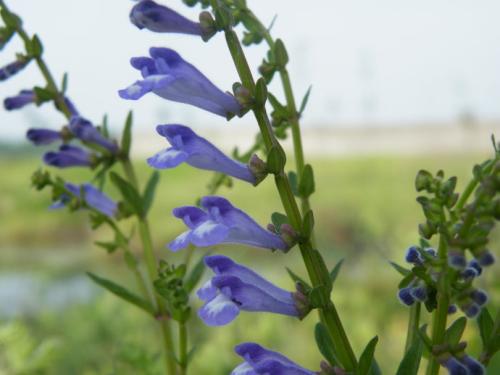
Efficacy and effects of Scutellaria barbata
1. Antibacterial effect. A 50% decoction of Scutellaria barbata, using the plate trench method, has an inhibitory effect on Staphylococcus aureus, Shigella flexneri, Salmonella typhi, Pseudomonas aeruginosa, and Escherichia coli.
2. Antispasmodic and expectorant effect. The carthamidin contained in this product has a relatively strong effect against histamine-induced smooth muscle contraction and also has a good expectorant effect.
3. Anti-tumor. Studies have shown that Scutellaria barbata extract has a growth-inhibitory effect on many human tumor cells. There are reports of Scutellaria barbata extract in the treatment of lung cancer, breast cancer, digestive system cancers, leukemia, and choriocarcinoma. A research team led by Dai Zhijun of the School of Medicine, Xi'an Jiaotong University studied the growth-inhibitory effect of Scutellaria barbata and explored the mechanism of its anti-tumor activity in the mouse liver cancer cell line H22. They found that the inhibitory effect of Scutellaria barbata extract (ESB) on H22 cell proliferation was time-dependent. Among multiple stages of the cell cycle, the proportion of cells in S phase was significantly reduced, while the proportion of cells in G1 phase increased. Flow cytometry results also showed that ESB promotes apoptosis. Through transmission electron microscopy and fluorescence microscopy, typical apoptotic morphology could be observed, such as aggregation and fragmentation of nucleic acids and shrinkage of the cell membrane of apoptotic cells. To further investigate the molecular mechanism by which ESB induces apoptosis, we found that in cells treated with ESB, the mitochondrial membrane potential decreased sharply, mitochondrial cytochrome C was released into the cytoplasm, and there was a dose-dependent induction of Caspase-3 activity. This can provide a new basis for the clinical application of Scutellaria barbata in the treatment of liver cancer.
At present, Scutellaria barbata is mainly used in combination with Hedyotis diffusa to prolong the survival of patients with intestinal cancer.
4. Immunomodulatory effect. The polysaccharides contained in this product can promote ConA-induced lymphocyte transformation of mouse spleen cells in vitro, with an optimal concentration of 400r/ml. After 1 week of Sc administration, it can significantly increase the percentage of esterase-positive cells among peripheral blood lymphocytes in mice and promote DNCB-induced delayed-type hypersensitivity. However, high-dose administration (200mg/kg) can inhibit the mouse thymus index, with no effect on the spleen index.
5. The alcohol preparation (200 mg/ml) has an anti-cancer effect in tumor tissue culture fluid on cancer tissues such as rectal cancer and colon cancer taken from the human body;
The water decoction has a destructive effect on HeLa cells isolated from a stable cultured cervical cancer cell line. Using the cell respiration apparatus method, the inhibition rate on leukemia cells is over 75%. The alcohol preparation has an inhibitory effect on the growth of transplanted mouse sarcoma S-180, Ehrlich ascites carcinoma, and brain tumor-22.
6. Lowering blood pressure. Intravenous injection of the infusion into animals has a blood pressure-lowering effect; oral administration does not produce the same effect.
7. Diuresis. The ether extract of the infusion has a diuretic effect in animal experiments.
8. Effect on blood vessels. Baicalein glucoside can increase cerebral blood flow, reduce cerebrovascular resistance, increase blood-brain barrier permeability, and counteract platelet aggregation caused by adenosine diphosphate.
9. Other effects. Inhibition of ATP production: The baicalein contained in this product has an inhibitory effect on indole-3-acetic acid oxidase and ATP production. Inhibits larval growth and can inhibit the growth of Heliothiszea larvae. Scutellaria barbata is the dried aboveground part of the Lamiaceae plant Scutellaria barbata, and has functions such as clearing heat and detoxifying, promoting blood circulation and removing blood stasis, and reducing swelling and relieving pain.