A Detailed Guide to the Planting Methods and Technical Key Points for Orange Jessamine
Orange jessamine (scientific name: Murraya exotica), also known as: stone chili, nine-autumn fragrance, nine-tree fragrance, seven-mile fragrance, thousand-mile fragrance, ten-thousand-mile fragrance, mountain-crossing fragrance, golden osmanthus, mountain yellow skin, thousand eyes, moon orange. Latin name: Murraya exotica L. An evergreen shrub of the Rutaceae family and the genus Murraya, sometimes able to grow into a small tree form, with graceful plant posture, elegant branches and leaves, and a rich floral fragrance. The chemical components contained in the roots, stems and leaves are similar to those of Murraya paniculata. It is produced in the southern parts of five provinces and regions: Taiwan, China, Fujian, Guangdong, Hainan and Guangxi. It is commonly found in shrub thickets on flat land, gentle slopes and small hills not far from the coast. It likes to grow in sandy soil and sunny places. In the southern regions it is mostly used as hedging material, or as an ornamental accent for flower gardens and hotels, and also as bonsai material.
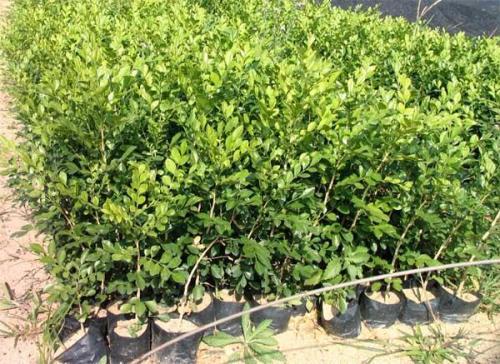
Cultivation Methods for Orange Jessamine
1. Propagation. Orange jessamine is mostly propagated by seeds, cuttings and layering.
Seed propagation: first pick ripe fresh fruits of orange jessamine, remove the skin and flesh in clean water, dry the inner kernels, and sow in either spring or autumn. Before sowing, the nursery bed should be prepared by deep digging and breaking up the soil. Sprouting occurs in about one month.
Cutting propagation is best carried out in spring or during the rainy season in July and August. Select mature branches of orange jessamine that are more than one year old, make the cut smooth, insert them into the seedbed, and water thoroughly. With proper management, spring cuttings can be planted out in the same year, while autumn cuttings need to be planted out the following year.
Layering propagation: layering during the rainy season gives the *** highest survival rate. Select semi-mature branches, cut and wound the outer part that is pressed into the soil so that it roots and sprouts better, and it can be separated and planted out the following year.
2. Care. Orange jessamine likes a growing environment with good light and suitable warmth, and can tolerate partial shade. Because it is not cold-tolerant, it needs to be moved indoors for care in winter. The indoor temperature in winter should not be too high, otherwise it will force buds, and when cold air arrives the buds will shrink back again, affecting the growth of the following year.
When transplanting orange jessamine or changing its soil, mix some nitrogen-phosphorus-potassium compound fertilizer into the new soil, which can give the plant ample nutrition and more flower buds. Do not use too much nitrogen fertilizer, to avoid excessive vegetative growth. Orange jessamine originated in the southern regions and likes slightly acidic soil, so once or twice a year apply alum fertilizer water at intervals. Orange jessamine is drought-tolerant, so it should be watered less; in the rainy season, it should be placed in a sheltered place away from rain.
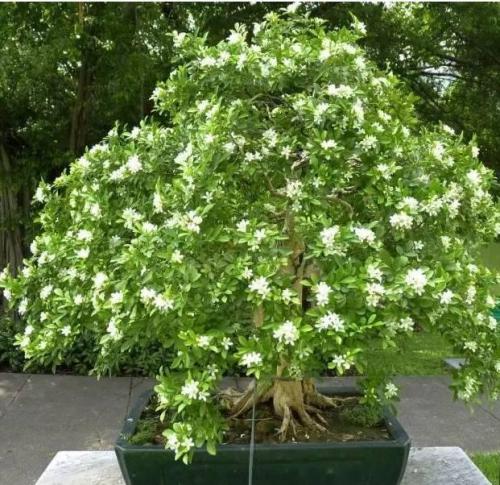 Care and Management
In spring, a pruning should be carried out together with planting or repotting. Over-dense branches and leggy branches should be shortened or thinned at any time. Major pruning should be carried out in late October or November. Do not prune heavily during the flowering period, so as not to affect the ornamental effect.
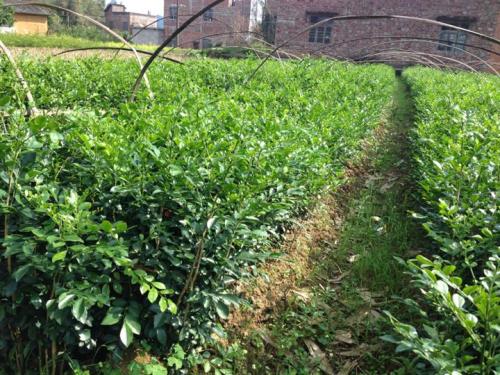
Precautions for Orange Jessamine
Orange jessamine should not be placed in a place with direct sunlight. Placing it in a place with sparse light can make the flowers and leaves luxuriant and the floral fragrance rich. Courtyard cultivation is a relatively ideal choice.
Orange jessamine likes fertile, loose soil. Newly transplanted orange jessamine should first be placed in a shady place for a few days, and after growth is stable, moved to a place with good light conditions. Orange jessamine is in its dormancy period in winter, so do not fertilize. If the leaves are found to be curled and lusterless, root rot may have occurred, and attention should be paid to early prevention and control. First, water less. If there is still no improvement, it should be pulled out with the roots, dried, disinfected in diluted potassium permanganate solution, and then repotted.