Detailed Explanation of Black Soybean Planting Methods and Key Technical Points
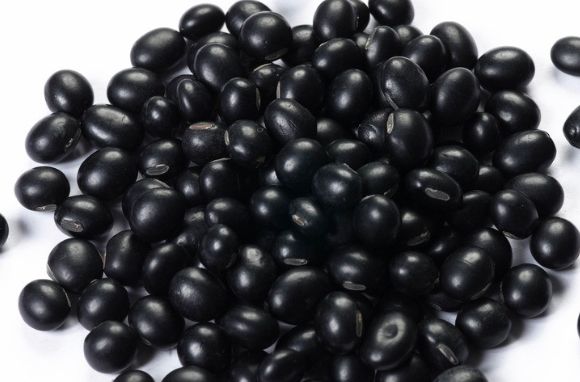
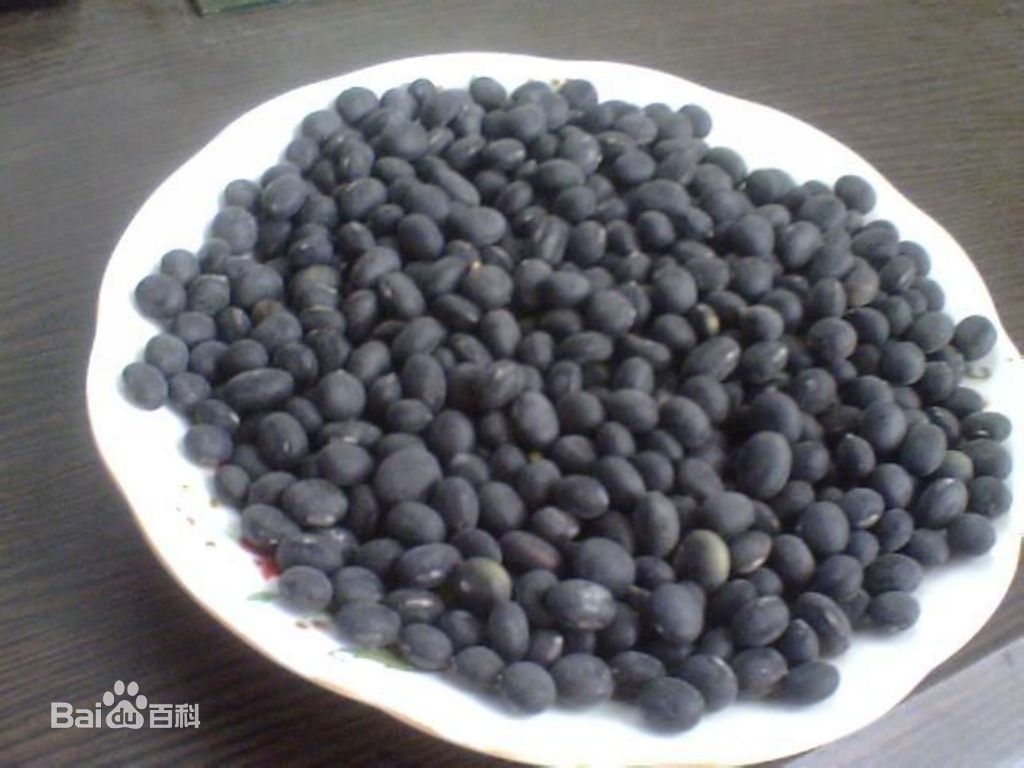
Black soybean is the black seed of the legume soybean (scientific name: Glycine max (L.) Merr.). Black soybean has a protein content of 36% and is easy to digest, which is of great significance for meeting the human body's protein needs; its fat content is 16%, mainly containing unsaturated fatty acids, with an absorption rate as high as 95%. In addition to meeting the body's fat needs, it also helps lower blood cholesterol; black soybean is rich in vitamins, lecithin, melanin and phospholipids, among other substances. Among these, B vitamins and vitamin E are present in very high amounts and have nutritional and health benefits. Black soybean is also rich in trace elements, which are essential for maintaining the integrity of body functions, delaying aging, lowering blood viscosity, and meeting the brain's demand for trace substances.
Planting Methods
-
Select Excellent Varieties
The quality of the variety directly affects the quality and yield of black soybean. Research shows that if black soybean seeds are not purified and rejuvenated, the beans will become smaller after 2 to 3 years. Therefore, seed selection and breeding must be carried out, and uniform large seeds with the inherent characteristics of the variety must be used for production in order to achieve a good harvest.
-
Sun-Drying and Seed Dressing
On a sunny day, spread the seeds in a sunny place and turn them over to dry for 1 to 2 days to increase the germination rate. After the seeds are dried, before sowing, mix them evenly with a 2% ammonium molybdate dilution, a 0.1% zinc sulfate dilution, and a 0.5% borax dilution per kilogram of seeds.
Note that after inoculation, the seeds should no longer be treated with fungicides, nor should they be exposed to sunlight.
-
Land Preparation and Fertilization
For plots used to plant black soybean, autumn plowing can be carried out promptly after the previous crop is harvested, generally to a depth of 20 cm. After plowing, harrow and compact the soil to store water and preserve moisture. When the surface just thaws in spring, harrow and level the soil to preserve moisture. After thawing, compact the soil again to draw up moisture, forming a soil structure that is loose on top and firm below. Before plowing, apply 2000 kg to 3000 kg of farmyard manure per mu.
-
Sowing Methods
Black soybean is mainly sown in two ways: hole sowing and drill sowing, with drill sowing being the main method. Drill sowing must prevent uneven soil coverage and overly dense seeding. Maintain 0.8 to 12,000 plants per mu. Black soybean is an epigeal plant, and its cotyledons have weak soil-penetrating ability. Therefore, when sowing, place the seed hilum facing down into the soil, then cover with a thin layer of fine soil, just enough so that the seeds can no longer be seen, and compact the soil immediately after covering. If intercropping, relay intercropping, or mixed planting is used, hole sowing may be adopted, with 2 to 3 seeds per hole, and the seeding rate per mu may be 2 to 3 kg. Apply 2000 kg to 3000 kg of high-quality farmyard manure and 10 to 15 kg of compound fertilizer per mu as base fertilizer.
-
Sowing Time
In Northeast China, the sowing period can run from late April to early May. Early-maturing varieties can be sown appropriately later, and late-maturing varieties can be sown appropriately earlier.
-
Field Management
After emergence, check the emergence situation promptly. When missing plants are found, reseed immediately. From emergence to before flowering, black soybean requires 3 to 4 cultivations and weedings. At the flowering stage, apply 5 kg of urea per mu. Entering the flowering and podding stage, mix 0.5 kg of urea with 1.5 kg of monopotassium phosphate per mu, then dilute with 100 kg of water for foliar spraying. Do this once every 7 to 10 days. If dry weather occurs, water promptly. During continuous rainy weather, clear the ditches and open drainage channels promptly to drain water and reduce waterlogging. For indeterminate-podding black soybean, in order to inhibit excessive vegetative vigor, when the seedlings are about 30 cm tall and have grown 5 to 6 true leaves, pinch off the growing tips so that the top growth slows and lateral growth becomes vigorous.
-
Pest and Disease Control
Generally speaking, black soybean has disease resistance, and there are not many pathogens harmful to black soybean, mainly including mosaic virus disease, bacterial leaf spot, aphids, and pod borers. In later-stage pest and disease control, attention should be paid to choosing targeted control measures according to changes in leaves, roots, and stems.