A Detailed Guide to the Planting Methods and Key Technical Points for Oak-Leaf Grape Ivy
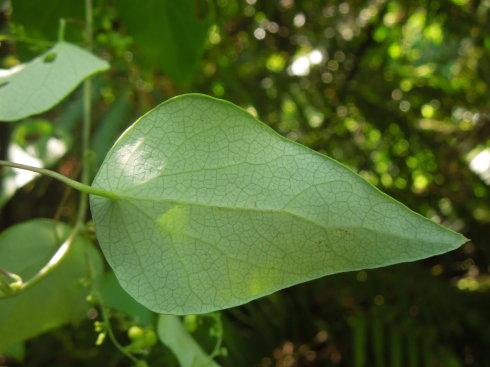
Oak-leaf grape ivy is a perennial evergreen herbaceous climbing plant. It has 1-2 pinnately compound leaves, with pinnately divided leaflets; the central leaf stalk is relatively long. The young leaves are densely covered with silvery-white down, which gradually falls off; when mature, they are smooth and hairless. The leaf surface is deep green, leathery and glossy, while the underside bears small brown downy hairs. The tendrils fork and curl at the tips.
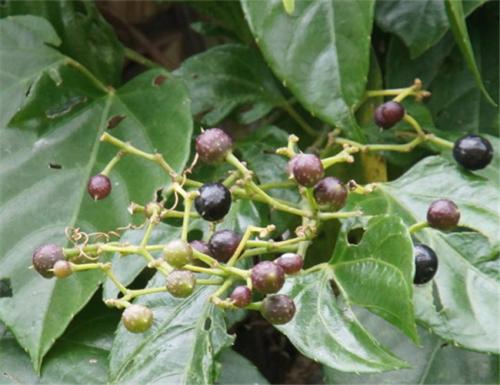
[Oak-Leaf Grape Ivy Propagation] Cuttings, layering, sowing.
(1) Cuttings: Carry out during the plum rain season. Select thick, semi-mature shoots of the current year and cut them into cuttings about 15 cm long. After insertion, maintain a temperature of 20-25 degrees Celsius; roots will form and the cuttings will survive after 10-15 days. Water cuttings are also possible and root easily: cut several stems of varying lengths, with the cut slightly below a node; after placing them in water, clean and change the water once every 2-3 days, keeping the water clean and relatively high in oxygen; roots will form 15-20 days after insertion, creating a graceful, clear vase of hydroponic flowers.
(2) Layering: Carry out in early summer, using the serpentine layering method.
(3) Sowing: The optimum germination temperature is about 21 degrees Celsius.
[Key Points for Growing and Caring for Oak-Leaf Grape Ivy]
(1) Temperature: It likes a warm climate and begins to grow above 10 degrees Celsius; the optimum growth temperature is 15-20 degrees Celsius. It is not cold-tolerant; below 5 degrees Celsius the leaves curl and turn yellow, lose their proper gloss, and may even drop. Overwintering should maintain a temperature above 10 degrees Celsius.
(2) Light: It likes a semi-shaded environment and can be enjoyed year-round in a bright spot. It can also grow in darker places; generally, display for 4-6 weeks will not be affected, but when the light is too weak, the plant grows slowly or stops growing. Avoid strong direct sunlight; if exposed to direct sun, the leaves will be scorched and develop scorched brown spots. In summer and autumn, when temperatures are high, shade should be provided, blocking about 50% of sunlight. At other times, give sufficient light.
(3) Watering: Because it grows quickly, sufficient water must be supplied during the growing period. When the potting soil is too dry, the leaves turn yellow and the lower leaves drop. During the growing season, watering should follow
the principle of "do not water until dry, and when watering, water thoroughly." In winter, watering should be stopped, or spraying should replace watering, reducing the amount of water given.
(4) Environmental humidity: It likes a humid environment. During the growing period, especially when the weather is clear and dry, spray water frequently on the branches, leaves and surroundings to increase relative air humidity, which benefits branch and leaf growth and can prevent dry leaf tips. In winter, under warmer conditions, regular spraying can prevent leaf curling and red spider mite damage.
(5) Fertilizing: During the growing period, apply fertilizer once every half month. When fertilizer is lacking, the leaves tend to turn yellowish. Stop fertilizing in winter.
(6) Pruning: In spring, together with repotting, carry out one relatively heavy pruning of the plant, cutting away overly dense and overly long branches and vines to promote the sprouting of new branches and leaves and restore good growth vigor. Because it grows quickly, promptly cut away branches and leaves that affect the ornamental appearance to maintain a good plant shape; or pinch off the tips of overly long branches to encourage side branch growth, making the plant fuller. A support can also be set up to let the branches and vines twine around it as they grow.
(7) Repotting: Each spring, before new buds grow, repot once, cutting away aged and rotted roots and replacing the soil with fresh soil. It is not demanding about soil, but likes fertile, loose sandy loam with good drainage. The growing medium can be made from materials such as leaf mold, garden soil, river sand or perlite. For hanging basket cultivation, a flower pot with a diameter of 15-20 cm can be used, planting 2-3 plants per pot. After new plants are potted and grow for 50-60 days, they can develop into a plant shape with lush branches and leaves.
(8) Pest and disease control: There are pests and diseases such as powdery mildew, leaf spot, red spider mites and scale insects. Powdery mildew is the most common, mostly caused by excessive watering, and special attention is needed in winter.