Key Techniques for Rice Cultivation and Field Management Methods
Rice is classified by paddy grain type into indica rice and japonica rice, early rice and mid-to-late rice, glutinous rice and non-glutinous rice. There are other classifications: by whether it is soil-less cultivation, it is divided into paddy field rice and floating rice; by life cycle, it is divided into seasonal rice and "lazy man's rice" (overwintering ratoon rice); by height, it is divided into common rice and giant rice of about 2 m; by salt-alkali tolerance, it is divided into common freshwater rice and "seawater rice" (which actually mainly uses freshwater).
Propagation Methods
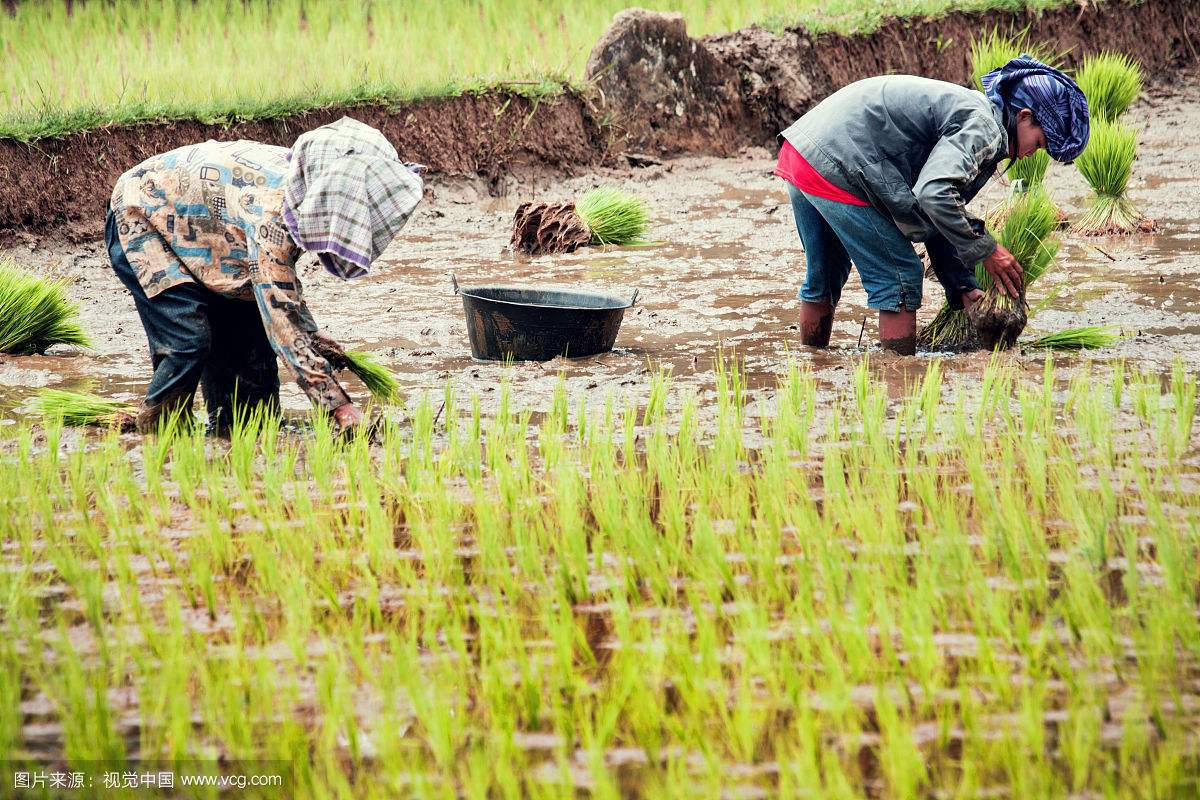
Farmers first cultivate seedlings in a certain field, which is often called a seedling field. After sowing the rice seeds, farmers mostly spread a layer of rice husk ash on the soil; in modern times, specialized seedling centers mostly use seedling boxes to grow rice seedlings. Good rice seedlings are the key to successful rice cultivation. When the seedlings grow to about eight centimeters tall, transplanting can be carried out.
Transplanting
The seedlings are carefully inserted into the paddy field in orderly spacing. Traditional transplanting methods use seedling ropes, seedling markers or transplanting wheels to make marks in the paddy field. When transplanting by hand, a seedling divider is worn on the left thumb to help farmers separate the seedlings and insert them into the soil. The climate for transplanting is very important, as heavy rain will damage the seedlings. In modern times, transplanting machines are often used, but in paddy fields with large undulations and non-square shapes, manual transplanting is still needed. Seedlings generally run in a north-south direction. There is also the more convenient seedling throwing.
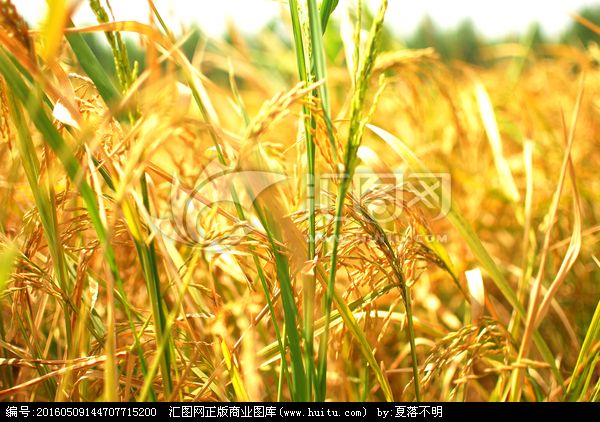
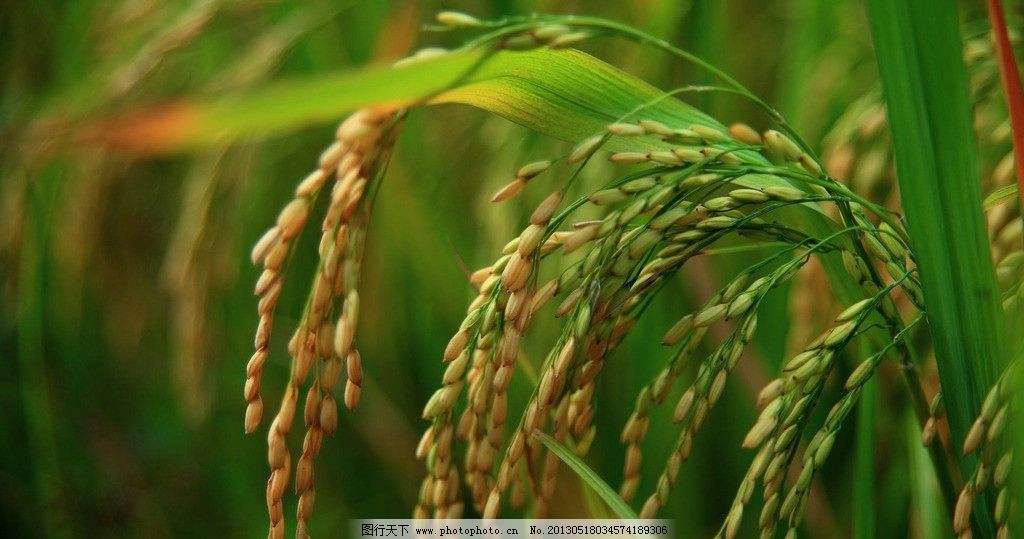
When the rice ears droop and are golden and full, harvesting can begin. In the past, farmers cut them bundle by bundle with a sickle, then tied them up and used a threshing machine to separate the rice ears. In modern times, there are harvesters that pull in the rice ears and directly separate the rice ears from the rice stems; the individual rice ears then become paddy grain.
The harvested paddy grain needs to be dried. In the past, it was mostly dried in the front courtyard of a three-sided compound, and it had to be turned frequently to let the paddy grain dry. Screening removes impurities such as blighted grain. Electric grain separators, winnowers or manual shaking are used to separate grain, using wind power to automatically screen out the full and heavy paddy grain.
- Control moisture: if the moisture is too high, it is prone to heating and mildew and does not store well, so the safe moisture content of paddy grain is fundamental to safe storage. Before being put into storage, it should undergo natural drying until the moisture reaches the safe standard (below 14%). If the original moisture content at storage is high, drying treatment should be carried out promptly.
- Remove impurities: rice usually contains impurities such as barnyard grass, weeds, ear stems, leaves, husk ash, and blighted grains. These substances have high organic matter water content, strong moisture absorption, carry many bacteria, have high respiration intensity and are extremely unstable, while impurities such as husk ash also reduce the porosity of the grain pile, making it difficult for damp heat to dissipate from the pile. These are all factors of unsafe storage. Therefore, before being put into storage, the impurity content must be reduced to below 0.5%, which can greatly improve storage stability.
- Timely ventilation: newly harvested rice often respires vigorously, and the grain temperature or moisture is relatively high, so timely ventilation should be carried out. Especially once autumn turns cool, the temperature difference inside and outside the grain pile is large; at this time, ventilation should be strengthened even more, combined with deep turning of the grain surface to release damp heat from the grain pile to prevent mildew. Where conditions permit, mechanical ventilation can be used.
- Low-temperature sealing: make full use of the cold and dry winter weather for ventilation, so that the grain temperature drops below 10°C and the moisture drops within the safe standard, and carry out covering and sealing before spring warms up, so as to get through the summer.