A Detailed Guide to Chinese Kale (Gai Lan) Cultivation Methods and Key Techniques
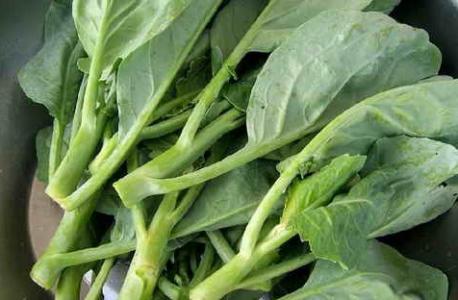
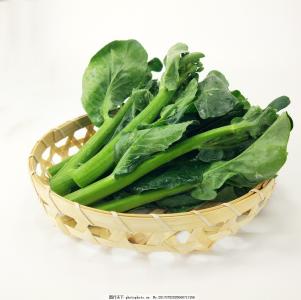
Chinese kale, also known as white-flowered Chinese kale, green-leaf cabbage, gai lan (Guangdong), Chinese kale greens, and gai cai, is an annual herbaceous plant of the Brassicaceae family, Brassica genus. It has a long history of cultivation and is one of China's specialty vegetables. The flower stalks of Chinese kale are tender, crisp, refreshingly sweet, and delicious. The plump, tender flower stalks and young leaves are eaten. Every 100 grams of fresh Chinese kale flower stalks contains 92-93 grams of water, 51.3-68.8 milligrams of vitamin C, and a considerable amount of minerals, making it one of the more nutritious vegetables among the cabbage-family vegetables. It can be stir-fried, used in soups, or served as a side dish. Chinese kale contains dietary fiber, carbohydrates, and more. Its flavor is sweet and its nature is pungent; it has effects such as promoting diuresis and resolving phlegm, detoxifying and dispelling wind, clearing excess heat, relieving fatigue, and soothing the mind and improving eyesight. However, eating Chinese kale over a long period has the side effect of depleting one's vital energy and will inhibit the secretion of sex hormones.
Growing Conditions for Chinese Kale
1. Temperature conditions: Chinese kale prefers a mild climate and has strong heat tolerance; its ability to withstand high temperatures is the strongest among the cabbage-family vegetables. The optimum temperature for seed germination and seedling growth is 25-30°C. Below 20°C, growth is slow. The optimum temperature for leaf rosette growth and flower stalk formation is 15-25°C, and it prefers a relatively large temperature difference between day and night. High temperatures above 30°C are detrimental to flower stalk development, and below 15°C growth is slow. Varieties of different maturity types differ in their heat tolerance and temperature requirements for flower bud differentiation.
2. Sunlight requirements: Chinese kale is a long-day plant, but existing varieties do not have strict requirements for day length. Good light is needed throughout its entire growth and development process, and it is not shade-tolerant.
3. Moisture conditions: Chinese kale prefers a moist soil environment, with 80-90% of maximum soil water-holding capacity being suitable. It is not drought-tolerant, and its waterlogging tolerance is slightly stronger than that of other cabbage-family vegetables, but excessive soil moisture or standing water in the field will affect root growth.
4. Soil nutrition: Chinese kale has a relatively wide adaptability to soil, with loam and sandy loam being preferable. Of the nitrogen, phosphorus, and potassium it absorbs, potassium is taken up the most and phosphorus the least, with an N:P:K ratio of 5.2:1:5.4. Nutrient uptake is low during the seedling stage, when growth is relatively slow, and highest during the flower stalk formation stage. The uptake of nitrogen, phosphorus, and potassium differs at each growth stage, so emphasis should be placed on applying organic fertilizer, with appropriate supplementary fertilization.
Seedling-Raising Techniques for Chinese Kale
1. Sowing time: In the Beijing area, cultivation can basically supply the market year-round. Early-maturing varieties such as Liuye Early Chinese kale are grown in the open field to ensure supply from June to October. For sowing from September to March of the following year, mid- and late-maturing varieties such as Mid-Flower and Mid-Late Gai can be selected for protected cultivation to ensure supply from November to May of the following year. Note that July to September is Beijing's hot, rainy season, so it is advisable to choose cool locations for planting.
2. Sowing method: Chinese kale can be direct-seeded or transplanted from seedlings. In the Beijing area, transplanting from seedlings is mostly used, requiring 75-100 grams of seed per mu. The seedling bed should be sandy loam or loam with convenient drainage and irrigation, and ideally the previous crop should not have been a Brassicaceae vegetable. When preparing the soil, apply plenty of decomposed organic fertilizer, and sow by broadcasting.
3. Seedling management: Keep the seedling bed moist at all times, apply quick-acting fertilizer 2-3 times during the seedling stage, use an appropriate sowing rate, and pay attention to thinning to avoid seedlings being too dense and growing leggy into thin, weak plants. At a seedling age of 25-35 days, 5 true leaves can be reached. Thinning is generally carried out after 2 true leaves appear. Select tender, strong seedlings with good growth, thick stems, and relatively large leaf area; small, old seedlings should not be used.
Cultivation Techniques for Chinese Kale
1. Soil preparation and fertilization: For growing Chinese kale, choose loam that retains fertilizer and water, prepare the soil finely, and apply 3000-4000 kg of decomposed pig manure or compost as base fertilizer per mu, along with 25 kg of superphosphate, then turn it into the soil and mix evenly, plow and level, and break up the soil clods finely. The beds are generally made flat, but for summer cultivation, small raised beds should be made.
2. Transplanting method: Open-field cultivation of Chinese kale should be carried out in the afternoon, while protected cultivation is best done in the morning. After the transplanting date is determined, water the seedling bed thoroughly on the afternoon of the day before transplanting to make it easier to dig up the seedlings the next day. On the day of transplanting, dig up the seedlings and immediately transport them to the planting plot, then plant them at a certain row and plant spacing.
3. Planting density: For early-maturing varieties of Chinese kale, the row and plant spacing is 25 cm x 20 cm; for mid-maturing varieties, 30 cm x 22 cm; and for late-maturing varieties, 30 cm x 30 cm. Seedlings should not be planted deep; the soil surface of the seedling clump should be level with the bed surface or about 1 cm lower. After planting, water immediately to restore vigor.
4. Watering and fertilizing: According to the temperature and humidity conditions at the time, water promptly to help the seedlings recover. After recovery, appropriately control watering during the leaf rosette growth stage. Once entering the flower stalk formation and harvest stages, increase the frequency of watering and keep the soil moist at all times. Base fertilizer and supplementary fertilizer are equally important; supplementary fertilizer should be applied with water. Generally, 3-4 days after recovery, apply a small amount of nitrogen fertilizer or diluted chicken manure. When buds appear and stalks are bolting, apply an appropriate amount of quick-acting fertilizer or human waste. After harvesting the main stalk, to promote the growth of side stalks, apply heavy supplementary fertilizer 2-3 times.
5. Cultivation and hilling: Chinese kale grows relatively slowly in the early stage, and weeds easily grow between plants and rows, so timely cultivation and weeding are needed. As the plant grows, the stem goes from thin to thick, with a relatively thin base and a larger upper part, forming a top-heavy shape, so hilling and fertilizing should be carried out along with cultivation; it is best to apply 1000-2000 kg of organic fertilizer per mu.
6. Pest and disease control: Chinese kale has relatively few diseases, with black rot being the most common. This is a bacterial disease that easily occurs under high temperature and high humidity. Control methods include selecting disease-resistant varieties, avoiding continuous cropping with Brassicaceae vegetables, promptly removing diseased seedlings when found, and spraying fungicides such as chlorothalonil as soon as disease spots are first found. In addition, in greenhouse cultivation, when the temperature is low and humidity is high, downy mildew easily occurs on leaves, stems, and flower stalks.
7. Timely harvesting: When the flower stalk of Chinese kale grows to be level with or close to the top height of the leaves (commonly known as "qikou hua"), it is the suitable harvest period, and the harvest height is 15-25 cm. To maintain better market quality, it is best to harvest in the early morning, then sort and package.