Detailed Guide to Magnolia Planting Methods and Techniques
Magnolia is a plant under the genus Magnolia in the family Magnoliaceae, order Magnoliales. It is a deciduous tree native to central China, and is now cultivated in all provinces and regions of China. The panicles are axillary, and the flowers are small, numerous, yellow, and delicately fragrant. It blooms in all four seasons and loves light; it is fairly cold-tolerant but not drought-tolerant. It requires fertile sandy soil and is not tolerant of alkaline soil. It fears waterlogging. The winter temperature is best kept above 10 degrees. Michelia figo likes moisture, but watering should not be excessive, as this can easily cause root rot; too much watering during the flowering period will cause flower buds to drop.
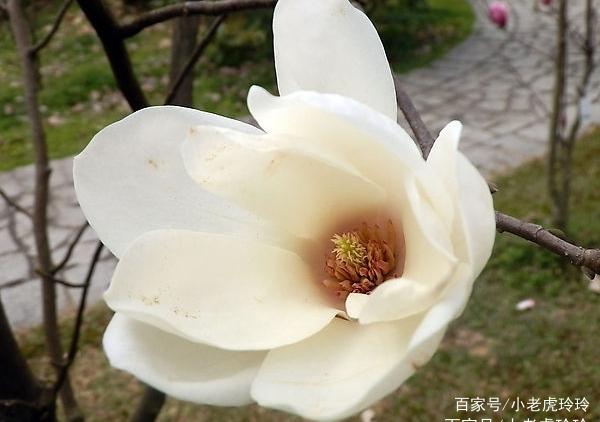
Magnolia planting techniques:
1. Propagation methods: mostly propagated by layering and division. Sometimes sowing is also used.
(1) Division can be carried out in spring or autumn. Dig out the mother plant with dense branches and plant the divisions separately, and prune the root system and cut back the branches.
(2) Layering: select one- or two-year-old branches, and in early spring propagate by the mound layering method or the trench layering method.
(3) Sowing: collect seeds in September, store them in sand over winter, and sow in the following spring; they germinate 20-30 days after sowing. Cultivation and management are simple; pay attention to preventing drought and waterlogging, and fertilize in time. Transplanting can be done in autumn or in early spring before flowering. Small seedlings should have their roots dipped in mud slurry, and large seedlings must be moved with a soil ball. Fertilize once before and once after the flowering period, mainly with phosphorus and potassium fertilizer. In the high-temperature summer and the dry autumn season, maintain soil moisture. After flowering and before new branches sprout, cut off dead branches and dense branches and cut back excessive growth branches.
2. Soil: Magnolia loves light and is slightly shade-tolerant. It likes a warm and humid climate and can also tolerate cold. It likes fertile, moist, well-drained sandy soil; it is not drought-tolerant and avoids alkaline soil, growing poorly on dry, alkaline, or clay soil.
3. Transplanting: Magnolia is transplanted in spring before flowering or in autumn after leaf drop. Small and medium seedlings need to retain native soil, and large seedlings should be moved with a soil ball.
4. Water and fertilizer: Magnolia loves fertilizer. Apply decomposed manure or barnyard manure as a base fertilizer every year from October to November. After flowering, during the period when buds sprout and branches grow, apply 2-3 topdressings of quick-acting nitrogen fertilizer. In the dry season, cover the root zone and water moderately. In the following year, you can expect abundant flowers and lush leaves.
5. Pests and diseases: For Magnolia to develop a tree form, suckers and sprouts must be removed and the tree pruned. Magnolia root rot, red spider mites, and stem borers should be controlled in time.
Main value:
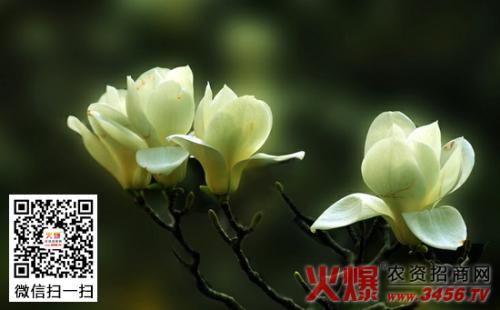
Magnolia is a famous early-spring ornamental flowering tree. When it blooms in early spring, the whole tree is covered with purple-red flowers, with a graceful and modest bearing and a distinctive charm. It is suitable for mixed planting in front of halls and behind courtyards in classical gardens, and can also be planted alone or scattered in small courtyards. The flower buds can be used as medicine and are called Xinyi. For medicinal details, see the text below and refer to the Xinyi entry (Xinyi is another name for this plant, but it is mainly used as a medicinal material name).