Key Points of Purple Sweet Potato Planting Techniques and Management Methods
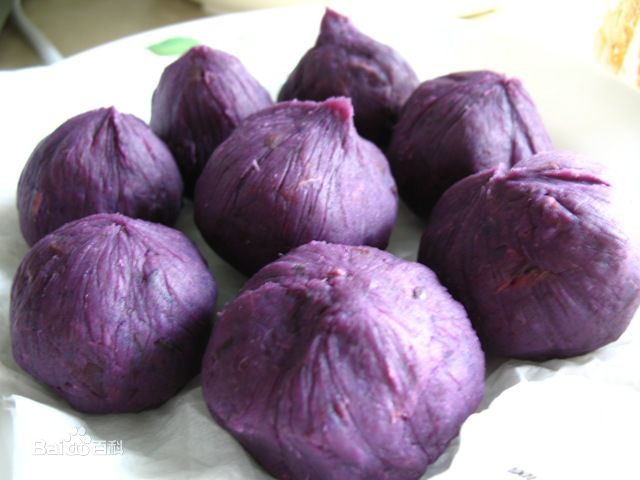
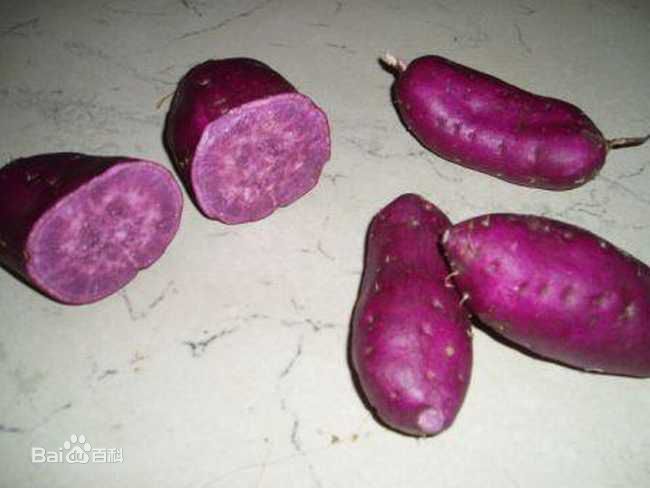
Purple sweet potato (Ipomoea batatas (L.) Poir., Convolvulaceae sweet potato genus) is also called black sweet potato, and its tuber flesh is purple to deep purple. In addition to the nutritional components of ordinary sweet potato, it is also rich in selenium and anthocyanins. Purple sweet potato is one of the main raw materials for anthocyanins. Purple sweet potato prefers a warm climatic environment, and the suitable growth temperature for stems and leaves is 18-25°C; growth stops when the temperature is below 15°C. The optimum soil temperature for tuberous roots is 22-24°C, and root enlargement stops when the soil temperature is below 20°C.
I. Land preparation and fertilization
Sweet potato has strong adaptability, but it is best planted in sandy loam soil that is loose and well aerated, has strong fertilizer retention, and is rich in organic matter. About 80% of the sweet potato root system is distributed in a soil layer of about 30 cm, so the plow layer for sweet potato should be 20-30 cm. In combination with deep plowing, apply 40-50 kg of compound fertilizer per mu (or 1000 kg of decomposed pig and cattle farmyard manure) and 15-20 kg of potassium sulfate. After leveling the land, form ridges with a ridge spacing of 80 cm and a ridge height of 20-30 cm, and a plant spacing of 25-30 cm. The cultivation area for every 100 plants is about 20 square meters. Root and tuber crops are potassium-loving crops, so potassium fertilizer must be sufficient. Be sure not to use high-nitrogen chemical fertilizers or organic fertilizers (such as chicken manure) when fertilizing, so as to avoid excessive vine growth and reduced yield.
II. Timely transplanting
Because sweet potato itself has no obvious maturity period, timely early planting can extend the growth period, helping the leaves produce more nutrients and achieve high yield and good quality. Generally, when the soil temperature stabilizes at 17°C-18°C, it is the suitable planting time, and film mulching can advance it by 10 days. After cutting seedlings on a sunny day, let them wilt for one day before cuttings. When planting, insert 2-3 nodes diagonally into the soil and leave 2 leaves and 1 growing point exposed, so as to help the sweet potato seedlings survive and form tubers evenly, improving the marketable rate and yield. Before insertion, soak the seedlings in a 500-fold dilution of 50% carbendazim for disinfection to prevent stem rot.
III. Plastic film mulching
On the basis of applying sufficient base fertilizer and watering enough basal water, spray the ridge surface with acetochlor herbicide, controlling the dosage at 0.1 kg/mu (must not exceed 0.15 kg/mu), diluted with 60-70 kg/mu of water, taking care to spray evenly and not onto the seedlings. After spraying, cover with film immediately, take the seedlings out of the film, and press soil around the seedlings to prevent wind leakage. Leave gaps at the bottom of the ridges to facilitate water infiltration. (It is best to use black plastic film. If the soil temperature is relatively high and the soil moisture is good, plastic film mulching may also be omitted. In northern cultivation, after May, plastic film is not needed.)
I. Seedling stage management.
II. Water management.
III. Topdressing.
IV. Weeding and vine lifting.
V. Timely harvest.