Clove Cultivation Methods and Key Technical Points
The clove tree, of the Oleaceae family, is a deciduous shrub or small tree. Its simple leaves are opposite, elliptic or lanceolate; the flowers are bisexual, funnel-shaped, and terminal; the flowers are small and fragrant, white, purple, purplish-red or blue; many small flowers form large conical inflorescences that cover the entire branches and leaves, with an intense fragrance, and are highly ornamental. Common varieties include white clove, purple clove, Bergamot clove, and others.
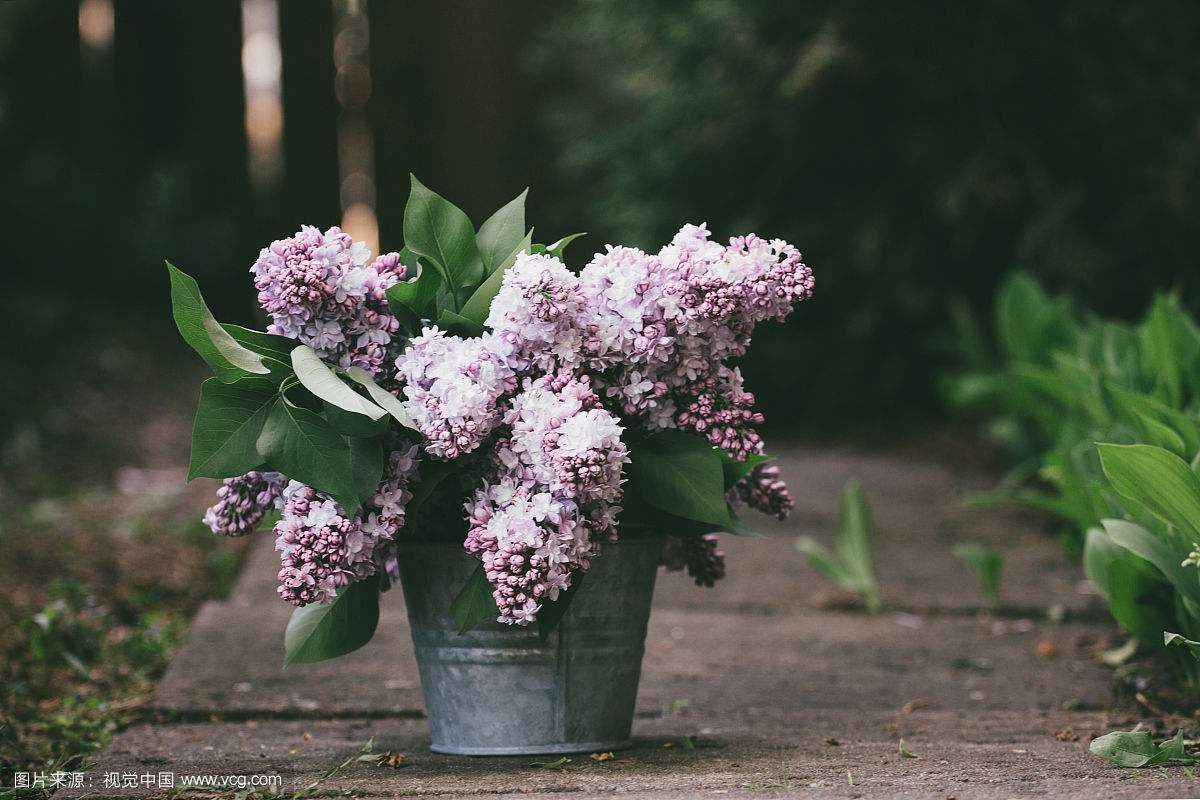
There are two planting methods:
1. Division planting: this method is relatively simple; you dig up the seedling bought from the flower market together with its roots and soil and plant it in your own flower pot, and with subsequent care it will continue to grow.
2. Cutting planting: cut off a branch of the clove flower and insert it into the soil; once the new branch has taken root, it can be replanted.Field management

(1) Shade Young trees 1-3 years old especially need shade; since the planting spacing is relatively wide, tall-stem crops such as corn and cassava can be interplanted between the rows, which can provide shade, serve as protection, and also increase income, achieving the goal of using short-term crops to support long-term ones.
(2) Weeding and mulching In July, September and October each year, weed around the clove plants and cover the plants with grass, but do not turn the soil with a hoe so as to avoid damaging the fragrant roots; weeds elsewhere on the forest land are cut for ground cover and can also be used as green manure, replacing natural vegetation to cover the ground. Weeding should continue until the tree canopy closes and can suppress weed growth.
(3) Replanting Clove trees have many causes of death in the young stage; if missing plants are found, plants of the same age should be replanted in time.
(4) Drainage and irrigation Young clove trees have weak root systems and are not drought-tolerant; clove trees three years old or younger need watering in the dry season, otherwise the young trees will wither. During the flowering and fruiting period, drought is likely to cause flower and fruit drop, so watering is also needed; before the rainy season, clear the drainage ditches to prevent waterlogging.
(5) Fertilization After planting, generally fertilize 2-3 times a year: the first time in February-March; apply 10-15 kg of diluted human urine per plant, or 0.05-0.1 kg each of urea, calcium sulfate and potassium chloride; the second time in July-August, in addition to nitrogen fertilizer, add 0.1 kg of superphosphate per plant or an appropriate amount of compost and burnt soil, but it should not be excessive or placed too close to the root zone, to avoid burning the roots and causing rot; the third time in October-December, apply barnyard manure or compost mixed with an appropriate amount of superphosphate and plant ash.
(6) Earthing up The clove tree has a shallow root system; the fine roots in the upper surface soil must be protected from injury, and these fine roots should not be exposed on the soil surface; if exposed, cover them with 2-5 cm of fertile loose soil.
(7) Pruning Clove trees require a great deal of pruning, but to make flower harvesting easier, branches on the main trunk within 50-70 cm of the ground can be removed; if there are several forked main trunks, remove the weak and keep the strong, remove the slanted and keep the straight, retaining 1. Do not prune the upper branches and leaves at will, so as to avoid creating gaps and affecting the formation of the conical canopy.
(8) Wind protection The establishment of shelterbelts is an important measure to ensure the integrity of the clove plantation. In addition, in the young stage, wind protection work should be done before the typhoon arrives; ropes and bamboo can be used to secure the trunk of the clove plant, to reduce the shaking of the clove plant by the typhoon and thereby reduce damage.