A Detailed Guide to the Planting Methods and Key Technical Points for A-choy (Taiwan lettuce)
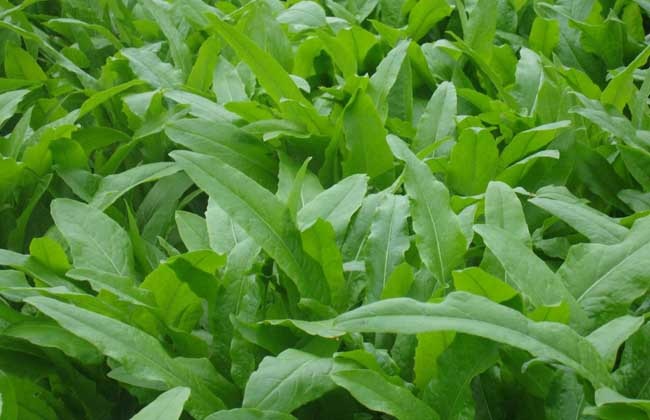
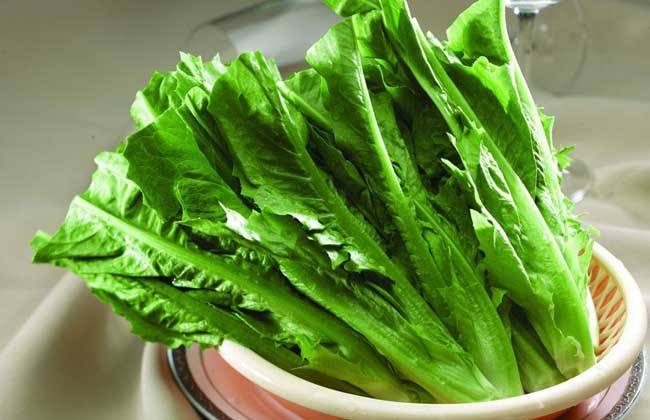
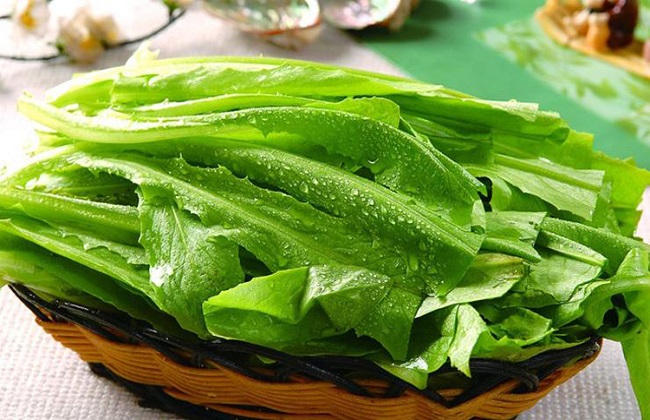
A-choy belongs to the Asteraceae family and is a pointed-leaf type leafy vegetable grown for its tender tips and tender leaves. Its leaves are long and lance-shaped, and it looks somewhat like the "head" of celtuce, with slender, flat-spreading leaves and a thin, short stem. In terms of lineage, A-choy is a variety of leaf lettuce, namely long-leaf lettuce, and is closely related to the familiar romaine lettuce, which is why it is also called ox-tongue lettuce. It has a pale green color and grows vigorously. It has strong disease resistance and adaptability, a crisp and tender texture, and an extremely fresh, delicate, faintly fragrant taste, earning it the name "phoenix tail."
Planting Time
Previously, A-choy could be described as a seasonal vegetable available at a particular time of year, but it now seems that A-choy can be seen on the market in all four seasons. That is because A-choy has particularly strong adaptability to its environment and because of the development of modern planting techniques, so its planting time can be said to be year-round. However, the normal planting time for A-choy is generally from mid-to-late April to mid-May in spring, August in summer, and September in autumn. Winter is relatively cold, so if you want to grow A-choy, try to choose greenhouse cultivation.
Planting Methods
1. Plot Selection and Land Preparation
Because A-choy has relatively strong adaptability to the environment, its requirements for the land are not especially strict. It can be said that as long as it is a piece of land and it is given a little careful attention, it can grow very well. However, when preparing the land, note that you should plow as deeply as possible and apply base fertilizer well. It has certain requirements for soil fertility, so the base fertilizer is basically mainly farmyard manure, but at the same time you should mix in urea, diammonium phosphate, potassium sulfate, and compound fertilizer evenly, spread the fertilizer well, and then plow the land.
2. Sowing and Raising Seedlings
It is best to sow after rain; otherwise, you will need to water artificially. First, wet the soil, then scatter the A-choy seeds, then spread a layer of farmyard manure over the surface of the seeds, that is, livestock droppings, and finally spread a layer of fine soil to cover the seeds. If the temperature is not especially high yet, you can cover with a layer of plastic film to promote sprouting. Once 80 percent have sprouted young shoots, remove the film promptly, otherwise the seedlings will be scorched.
3. Scientific Transplanting
Generally, about five or six days after germination, transplanting can begin. Usually, the spacing between plants is about 20 cm, and the distance between rows is 15 cm. Transplanting at this spacing will give A-choy a relatively high yield and also prevent some diseases caused by density.
4. Field Management
Field management means controlling field moisture and nutrients during the growth period of A-choy. The growth process of A-choy requires a large amount of nutrients, and generally three fertilizations are carried out. When A-choy has five or six leaves, fertilize once; the second fertilization is when A-choy grows to 20 cm; and the third fertilization is the final growth boost when A-choy is about ready to harvest. The usual fertilization method is to dilute potassium dihydrogen phosphate or other foliar fertilizers with water and apply them as a foliar spray.
5. Pest Prevention
The most common disease of A-choy is downy mildew, and the pest most likely to appear is leaf worm. For downy mildew, we generally use propamocarb or metalaxyl-mancozeb wettable powder for control, while leaf worm is a rather troublesome presence, generally sprayed and killed with cyromazine-abamectin emulsifiable concentrate. If planting on a small area, you can catch the insects by hand, which makes the vegetables more eco-friendly.
6. Timely Harvesting
The harvest time must be timely. If you are growing it for your own consumption, you can harvest earlier, when the leaves are very tender. But if it is for sale, it is generally harvested when A-choy has grown 15 to 20 leaves. At this time the leaves are still fairly good and can also fetch a good price. If harvested too late, all the leaves will have aged, and it will look unappetizing.