Planting Methods and Key Technical Points for Galsang Flowers
Galsang flower, also known as Galsang Meiduo, has been widely debated as to which plant species it actually refers to. In Tibetan, "Galsang" means "good times" or "happiness," and "Meiduo" means flower, so the Galsang flower is also called the happiness flower, and for a long time it has carried the Tibetan people's beautiful feelings of longing for happiness and good fortune.

Planting Methods
1. Seed collection and seed harvesting: Some time after the Galsang flower fades, it develops into seeds; when you see the color turn withered yellow, they are nearly ripe. You can cut off the flower heads with large, brightly colored blooms, dry them in the sun and keep them for seed.
2. Soil and temperature requirements: Galsang flowers like warmth and face the sun, and should be grown in a place with direct sunlight, so the outskirts of town and rooftops are good choices. They are not demanding about soil, but neutral to slightly acidic soil is best.
3. Selecting seeds and sowing: Galsang flowers are generally propagated from seed. In the coastal areas of Guangdong, Galsang flower seeds can be sown when the temperature is above 15 degrees, and they can germinate from spring to autumn.
4. Transplanting seedlings: Transplant Galsang flower seedlings when they have 4-5 true leaves, and pinch off the growing tips; you can also thin the seedlings after direct sowing. When the Galsang flower seedlings grow to 5 cm tall, they can be transplanted. Choose a larger, deeper pot for final planting. Galsang flowers grow quickly, so it is recommended to pinch the growing tips several times, which can increase branching and produce many more flower buds.
5. Watering the seedlings: Galsang flowers tolerate drought and severe cold, and too much water is actually harmful, so the Galsang flowers seen on the high plateaus with little rain are very brightly colored. Water according to the rainfall of that year; on damp spring days you can water twice a week, and after flowering the potting soil should be even drier.
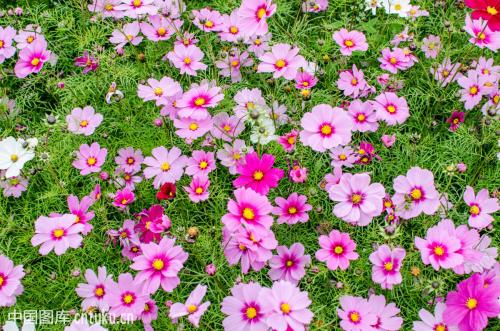
7. Pinching: It grows especially fast, so it is best to pinch the growing tips several times. This can increase its branching a little, produce a few more flower buds, and make the flowers look much better.
8. Care: In terms of care, first of all provide it with plenty of sunlight; as for watering, it should not be too much, about once or twice a week, a little more in summer, and each watering does not need to be too much, just slightly moistening the soil is fine. Fertilizing does not need to be done often; basically giving it some ordinary fertilizer is very good, and when there are buds you can apply a little more.