A Detailed Guide to Amaranth Planting Methods and Key Techniques
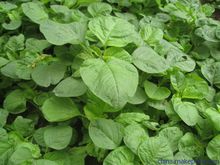
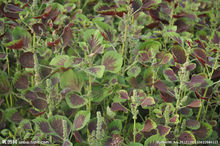
Amaranth (Amaranthus tricolor), also known as Joseph's coat, old youngster, old age youngster, and tricolor amaranth, is an annual herb in the Amaranthaceae family, Amaranthus genus. Its stems are thick and sturdy, green or red, often branched, and hairy or hairless when young. The amaranth plant has a soft, smooth texture and a strong vegetable flavor, tastes sweet and fragrant on the palate, and has the effect of moistening the stomach and intestines and clearing heat. It is also called "fu kui", "crab vegetable", "xing cai", and "xing cai". In some places it is also known as "red mushroom tiger", cloud coriander, cloud sky vegetable, corn vegetable, cold vegetable, ren qing, and so on. In Hubei, Guangde in Anhui, and other places it is called Han vegetable.
Planting Methods
1. Soil selection and land preparation
Amaranth is highly adaptable, so it is not strict about soil, but it grows well in alkaline soil. Although it is drought-tolerant, it does not grow well in poorly drained soil, so a plot with flat terrain and good drainage should be chosen. Land preparation must be done carefully: deeply plow the soil, break up clods, and keep the soil loose.
2. Sowing and seedling raising
Amaranth seeds can be sown directly, but to ensure the germination rate, soak the seeds in warm water for 4-5 hours before sowing. However, the seeds are relatively small, so when sowing, mix them with sandy soil, stir evenly, and then sow. Scatter them on the surface of the ground and cover with 0.5cm of soil. After sowing, little is needed; normally they will sprout in one week, while treated seeds can sprout in 2-3 days. When the seedlings emerge and grow two or three leaves, thinning can be done, and after thinning, apply fertilizer once.
3. Field management
During the seedling stage of amaranth, timely cultivating and weeding should be carried out to avoid affecting seedling growth. During the amaranth growing period, fertilizer should be applied multiple times: once when two or three leaves have grown, once when 5-6 leaves have grown, and once at harvest. When fertilizing, nitrogen fertilizer should be the main type, appropriately combined with some farmyard manure. Although amaranth is drought-tolerant, to make it grow vigorously, the soil should often be kept moist in spring and winter. In summer, when temperatures are high, the amount of watering needs to be increased.