Detailed Explanation of the Planting Methods and Techniques for Qianzhimei (Dry-Branch Statice)
Qianzhimei (Dry-Branch Statice) is a plant of the genus Limonium in the family Plumbaginaceae. Its flower shape is unique, and it blooms in all four seasons. In the early stage, the flowers appear purple and pink, and as they mature they turn white, setting each other off beautifully, which is why it is called Erse Buxuecao (Two-Colored Statice).
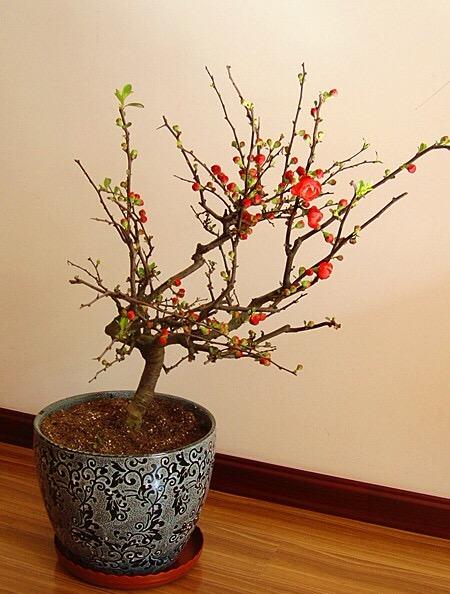
Propagation methods: Qianzhimei is mainly propagated by cuttings and layering, though sowing is also possible. When taking cuttings and layering, make sure the soil is moist, which helps the roots form. Cuttings and layered Qianzhimei should also not be placed in places with too harsh sunlight.
Cultivation methods
1. Soil preparation and sowing
You can choose sandy soil inside a shed, prepare the soil, sift it (sifting out clods of soil, sand, stones and other impurities), level it and make beds, water thoroughly, then begin dibbling or broadcasting the seeds, then cover with about 0.5 cm of soil using a sieve, keep the seedbed moist, and with suitable temperature the seedlings will emerge in about 7 days.
Qianzhimei is not strict about soil. If you want to grow it in a pot, you can choose a sandy soil with good air permeability.
2. Seedling management
When the temperature reaches above 18 degrees C, you can begin raising seedlings. The seedbed is generally 30 cm x 100 cm x 40 cm. After sowing according to greenhouse seedling-raising methods, cover with plastic film, and add a straw curtain at night; as long as the seedlings emerge, they can grow. Pay attention to controlling watering, ventilate appropriately, carry out seedling hardening, and begin transplanting when the seedlings are 5-7 cm.
3. Timely transplanting
For pot cultivation, as long as there are not many seeds, there is generally no need to bother with it. If there are many seeds and the seedlings emerge densely, then you need to transplant them into a new flower pot.
For field cultivation, it is the same as transplanting vegetable seedlings. You can make beds on flat land, or dig holes on sloped land, 30 cm in diameter and 15 cm deep, then plant the young seedlings in them. The number of plants can be determined according to soil fertility. You can transplant them by the method of deep holes and shallow planting, and water immediately until the seedlings recover and survive.
4. Care and seed collection
Qianzhimei needs careful management during the seedling stage. For pot cultivation, pay attention to weeding, watering and fertilizing; for field cultivation, also weed, water and fertilize in a timely manner. By the middle stage, management can be more extensive. When it grows to 25-30 cm tall and about 25 cm in diameter, it can be harvested for sale. The harvest time is generally autumn. After the seeds mature, there is one crop per year. By no means should you damage the roots when harvesting; cutting it off 5 cm above the root is appropriate, otherwise it will also dry up and break, causing waste.
Disease and pest prevention: The diseases that Qianzhimei may develop include powdery mildew, leaf curl disease and others. Once these diseases appear, they will have a great impact on Qianzhimei, so pay more attention at ordinary times. Once discovered, treat them promptly to prevent the condition from worsening.