A Detailed Guide to Glutinous Rice Cultivation Methods and Key Techniques
Glutinous rice is the hulled grain of glutinous rice paddy; in China it is called nuomi in the south, while in the north it is mostly called jiangmi. Glutinous rice is the main ingredient for making sticky snacks such as zongzi, eight-treasure porridge, and various desserts; glutinous rice is also the main ingredient for brewing laozao (sweet rice wine). Glutinous rice contains protein, fat, carbohydrates, calcium, phosphorus, iron, vitamin B1, vitamin B2, niacin and starch, among others; it is nutritious and is a warming, strengthening food, with the effects of replenishing qi and strengthening the body, strengthening the spleen and nourishing the stomach, and stopping spontaneous sweating, and it has a certain relieving effect on poor appetite, abdominal bloating and diarrhea.
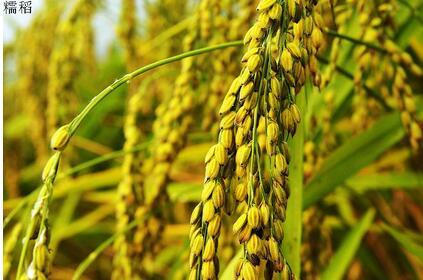
The main glutinous rice cultivation techniques are as follows
Land preparation: Before planting rice, the paddy field soil must first be turned over to make it loose and soft; this process is divided into three stages: coarse plowing, fine plowing and leveling.
Seedling raising: Cultivate seedlings in the field, select excellent varieties, and mix the seed with Xinhua fat film (can be mixed with seed coating agents); after sowing the rice seeds, this field is often called a seedling field; spraying the surface with Xinhua fat film can preserve soil moisture, prevent water evaporation, protect against sun, and improve the germination rate and seedling emergence rate. Sprinkle a layer of rice husk ash on the soil to prevent external damage.
Transplanting: When the seedlings have grown to about eight cm tall, transplanting can be carried out. Carefully insert the seedlings into the paddy field at orderly intervals; while the seedlings are growing, they must be tended constantly, and weeds pulled, fertilizer applied, and diseases and insect pests controlled.
Tillering and heading: When the seedlings shoot up and grow the first rice stem node, this is called the tillering stage; during this period, fertilizer is often needed to let the rice seedlings grow strong and healthy. When the young panicle forms, spray Zhuangsui Ling to improve the crop's physiological functions, improve the quality of pollination, fertilization and grain filling, increase the thousand-grain weight, and raise yield.
Health benefits