Chuanxiong (Szechuan Lovage) Planting Techniques, Methods and Key Field Management Points
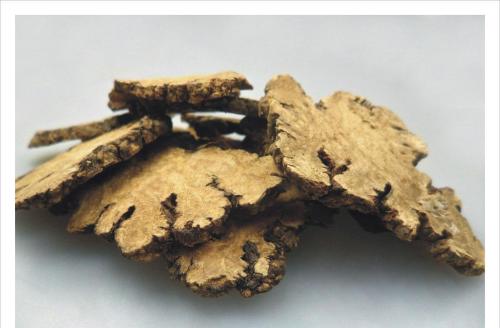
Chuanxiong (scientific name: Ligusticum chuanxiong hort), a cultivated plant, is mainly produced in Sichuan (Guanxian), and also in Yunnan, Guizhou, Guangxi and other places, growing in mild climatic conditions. It is a traditional Chinese medicinal plant, often used to invigorate blood and move qi, dispel wind and relieve pain. Chuanxiong is pungent, warm, aromatic and drying, moving without staying, able both to disperse upward, reaching the top of the head; and to enter the blood aspect, descending to the blood sea. Its action of invigorating blood and removing stasis is broad, suitable for various disorders caused by blood stasis obstruction; its effect of dispelling wind and relieving pain is excellent, and it can treat head wind and headache, rheumatic arthralgia and other disorders. The ancients called Chuanxiong the qi medicine within the blood, roughly speaking of its functions of pungent dispersion, resolving depression, unblocking and relieving pain.
1. Cultivation method. Chuanxiong is propagated by stems. Before planting, the soil should be deeply plowed. For every 667 sq m, use 120 kg of phosphate fertilizer, mix with 1500 kg of farmyard manure as base fertilizer, rake fine and level, and make beds. When planting, select healthy stem nodes of uniform size and thickness, free of diseases and pests, as seed stems, remove the upper tip, cut into small pieces of about 3 cm, each piece bearing one nodal disc, with 1.6 cm extending at each end of the nodal disc. After cutting, place them in a sunny, wind-sheltered, moist spot, soak the seeds with a 1000-fold dilution of carbendazim, or spray with a 150-fold dilution of 25% wettable phoxim, or dip briefly in 1:10 garlic juice, to control cutworms and other underground pests, then pile them up and cover with gunny sacks. After 3-5 days, when white sprouts emerge from the nodal discs, they can be planted.
Chuanxiong is best planted from Major Heat to Start of Autumn (early July to early August). Dig holes at a row spacing of 33 cm and a plant spacing of 26 cm, with a hole depth of 3-7 cm; place 1 to 2 seed stems in each hole, with the bud opening facing upward when planting, cover with about 3 cm of soil, and after planting water the planting holes with clear manure water.
2. Field management. When the seedlings are 7 cm tall, hoe once, and at the same time check the seedlings and fill gaps. When they grow to 10 cm, water once with clear manure water. After that, about once a month, weed and loosen the soil once, and fertilize once every 30-40 days. Apply nitrogen fertilizer at the first topdressing, and apply compound fertilizer or human excrement and urine for the rest, and spray with chlormequat and insecticides and fungicides, weed frequently, and cultivate finely. At the third fertilization, for every 667 sq m, apply 12.5 kg of chemical fertilizer (urea) with manure water, and at the same time dig away the soil around the plants, remove the lower old yellow foot leaves, and remove all excess branches, leaving 3-4 main stems per plant, so as to facilitate root tuber expansion and cultivate robust Chuanxiong lingzi. At the fourth fertilization, rapeseed oil cake and plant ash can be applied around the plants. After rain, drain promptly to prevent root rot. When flowering, remove the flower buds promptly to promote root growth. After autumn begins, when the main shoot's old leaves turn gray, cut it off 5 cm from the base to encourage new leaves, apply heavy fertilizer and spray with leaf surface nutrient.
3. Pest and disease control. The pests of Chuanxiong are mainly cotton bollworm and stem node insects. If insects are found, spray with pesticides such as dichlorvos and 1605 for control until the pests are eliminated. The main disease is root tuber rot. When planting Chuanxiong, choose disease-free stems as seed, and frequently drain and loosen the soil to keep the field soil from becoming compacted, which can prevent this disease. If disease is found, irrigate the seedlings with lime sulfur mixture diluted with water.
4. Harvesting and processing. Generally harvested after the Summer Solstice. When digging, remove the stems and leaves, dig up the whole plant, shake off the mud and sand, and dry it into a marketable product. If rainy weather occurs, it can be dried with smokeless firewood and then sold.
Functions and indications
Move qi and relieve depression, dispel wind, dry dampness and relieve pain by invigorating blood. Treats wind-cold headache and dizziness, hypochondriac pain and abdominal pain, cold arthralgia and muscle spasms, amenorrhea, difficult labor, postpartum stasis masses and pain, and carbuncles, sores and ulcers. Used for irregular menstruation, amenorrhea and dysmenorrhea, abdominal masses and pain, stabbing pain in the chest and hypochondrium, swelling and pain from falls and blows, headache, and rheumatic arthralgia.