Detailed Guide to Jade Plant Cultivation Methods and Precautions
Green-leaf jade plant, also known as roundleaf peperomia, pepper grass, emerald pepper grass, or "little jasper"; it is a perennial evergreen herbaceous plant of the genus Peperomia in the family Piperaceae, with a plant height of 20-25cm, round stems, branching, light green with purplish-red markings. Leaves are alternate, slightly succulent, oblong, deep green, glossy, up to 15cm long, wedge-shaped at the base, with short petioles. Spike inflorescence, 2.5-18cm long, small greenish-white flowers, the peduncle shorter than the spike, smooth and hairless. The fruit has a curved, sharp beak. It is the representative species of upright roundleaf peperomia.
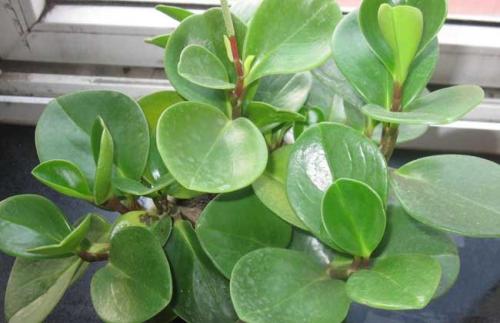
1. Jade plant grows on dead trees or moist rocks, prefers warm, humid and semi-shaded environments. Its suitable growing temperature is around 25 degrees, and the minimum temperature should not be lower than 10 degrees. Jade plant is not tolerant of high temperatures and has relatively high requirements for air humidity. It also cannot be exposed to direct sunlight. It prefers well-drained, loose, fertile, moist soil. In China, it is distributed in Yunnan, Guizhou, Guangdong, Guangxi, Fujian and other places. Abroad, it is mainly distributed in Oceania, the Americas and tropical regions of Asia.
2. The most commonly used propagation methods for jade plant are cuttings and division. In April-May, select well-grown top branches for cuttings, keep 1-2 leaves on the cuttings, and after the cut surface dries in the shade, they can be inserted directly into a moist sand bed. Of course, leaf cuttings can also be used: cut off leaves with petioles using a sharp knife, let them dry, then insert them obliquely into the sand bed, and they will root within 15 days. Do not worry, if in a temperature-controlled greenhouse, cuttings can be taken year-round. Division is mainly used for variety propagation.
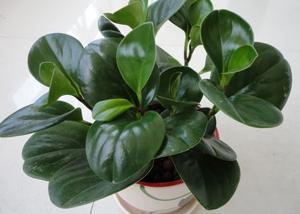
3. Cultivation Methods
1. Jade plant likes diffused light and a semi-shaded living environment. Except in winter when it needs a bit more light, in other seasons it needs to be slightly shaded, especially in summer, because due to the weather and temperature, it cannot be placed under the sun for long periods, but it also cannot be kept in a dark place without light for a long time, otherwise it will cause the plant to grow leggy and reduce its ornamental value. In semi-shade, its leaf color will be brighter and its gloss more attractive. If it is a variegated variety, its sunlight requirements can be slightly higher.
2. Jade plant likes a warm environment. The suitable growing temperature should be maintained at around 20-30 degrees. In winter, in order to let it survive the winter safely, the temperature is best kept above 10 degrees. Below 10 degrees, jade plant will stop growing, and below 5 degrees, frost damage is very likely to occur.
3. The soil needed for jade plant growth is well-drained, well-aerated, loose and fertile soil. Sticky alkaline soil must not be used. If conditions permit, perlite and peat ash can be mixed together.
4. Jade plant relatively likes water. During the growing season, it should be watered frequently. It is not drought-tolerant. When the temperature is above 25 degrees, water more. When the temperature is below 25 degrees, first observe whether the potting soil is dry, and water only if it is dry. When the temperature is below 10 degrees, it can go several days without watering.
5. When the weather temperature is as high as 18 degrees, we should give it a small amount of fertilizer. When the temperature is below 18 or above 30 degrees, it is not suitable to fertilize. For fertilizing, it is best to use dilute liquid fertilizer instead of clear water. Jade plant cannot use raw fertilizer or concentrated fertilizer, as these two types of fertilizer easily cause fertilizer burn.
6. When newly propagated seedlings grow to about 10 cm, we should pinch them once to increase the number of branches. This will make the jade plant grow into a fuller shape and increase its ornamental value. Pruning of jade plant is generally decided according to its growth. Cut short the leggy branches to use as cutting material, and they will root easily.