Saxifraga stolonifera: Planting Methods and Care Tips
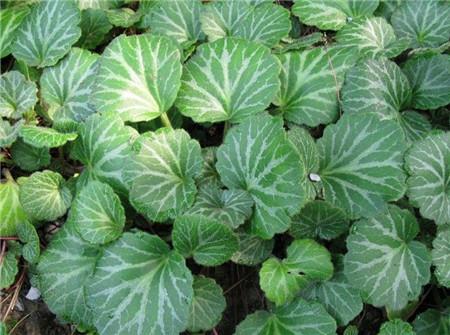
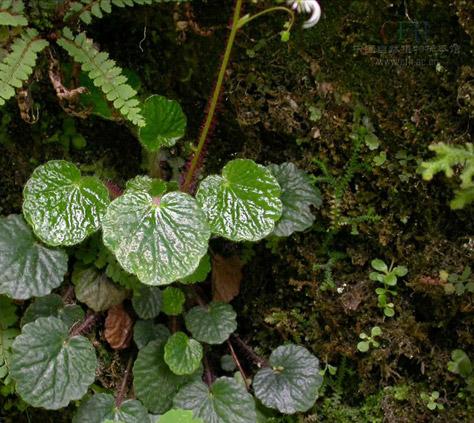
Saxifraga stolonifera (scientific name: Saxifraga stolonifera Curt.), also known as stone lotus leaf, golden-thread hanging hibiscus, tiger ear, and other names. Its slender stolons are densely covered with curled long glandular hairs and bear scale-like leaves. It is produced in Hebei (Xiaowutai Mountain), Shaanxi, southeastern Gansu, Jiangsu, Anhui, Zhejiang, and other places. The whole plant is used as medicine; slightly bitter, pungent, cold, mildly toxic; dispels wind and clears heat, cools the blood and removes toxins.
I. Growing Environment
It prefers semi-shade and fears strong light. It can be placed year-round indoors in a spot with scattered light for cultivation; in spring and autumn, moving it outdoors to a shady, damp place gives better results, avoiding direct sunlight.
Saxifraga stolonifera is fairly shade-tolerant, but still needs a certain amount of direct light. In a greenhouse during spring, summer, and autumn, 50%-60% shade can be provided around midday, with light given in the early morning and evening, while in winter no shade is used. Tricolor saxifrage needs more light. The growing temperature is 10-25°C; if the temperature is too high, the plant goes dormant.
It is not tolerant of high temperatures, goes dormant in the hot seasons of summer and autumn, and resumes growth after autumn begins. In winter, an indoor temperature of around 8°C is enough for it to overwinter safely. Therefore, in the hot summer season, attention should be paid to ventilation and increasing air humidity to lower the temperature.
It likes high-humidity environments and is not tolerant of dryness. The peak growing season is from May to September, when the potting soil should be kept moist at all times and water should be sprayed frequently to raise the humidity of the surrounding environment. In the hot season, place it in a ventilated, cool spot and control watering. After growth resumes in autumn, watering needs to be increased.
II. Key Points of Cultivation Techniques
Propagation is mainly by division; division with roots is suitable in all four seasons. When planted in the ground, as long as the environment is suitable, no management is needed. For pot cultivation, a substrate of half leaf mold and half river sand mixed together can be used. After planting, place it in a shady, damp environment; a sunny spot is also acceptable, but water must often be sprayed around the plant to increase humidity. However, in summer when the light is too strong, the shoot tips drying out will cause the leaf edges to scorch. Normally, keep the potting soil moist. Applying nitrogen fertilizer once a month can meet its growth needs. If planted in a pot without drainage holes, there is no worry about watering, and because of the high humidity it can grow better.
During the growth period, spring, summer, and autumn are the periods of vigorous growth; the potting soil should be kept moist, and every 2-3 weeks apply once a dilute, well-rotted cake fertilizer or flower fertilizer. The amount of chemical fertilizer must not be too high, and fertilizer should be applied from below the leaves to avoid soiling the leaf surface and affecting growth. For potted Saxifraga stolonifera, use a mixed culture soil of leaf mold, garden soil, and coarse sand, and repot once every other year in early spring. Pests and diseases include gray mold, leaf spot, powdery mildew, and rust. A 500-fold solution of 65% zineb can be used to control gray mold and leaf spot, and an 800-fold solution of 15% triadimefon can be used to control powdery mildew. Pest damage is mainly caused by mealybugs and whiteflies.