Detailed Explanation of Boxwood Planting Methods and Key Technical Points
Chinese boxwood (scientific name: Buxus sinica (Rehd. et Wils.) Cheng), also known as Wulongmu and evergreen, is an evergreen plant that grows on the ground. The branches and trunk are nearly cylindrical, and the small branches are four-angled; the leaves are opposite, entire, with pinnate veins; the flowers are unisexual, with axillary capitate inflorescences; the capsule is nearly spherical, usually hairless.
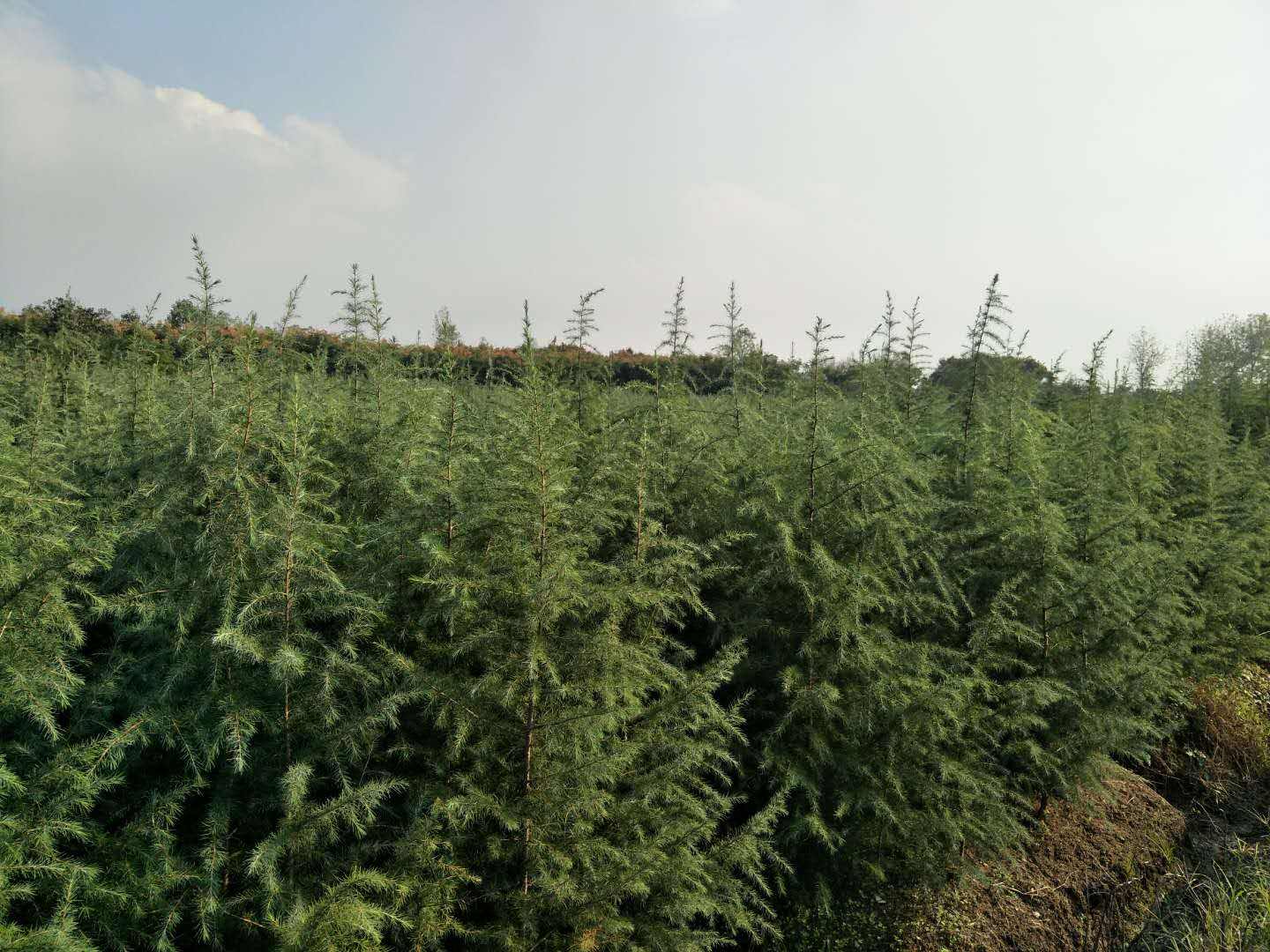
Planting methods:
-
First, in mid-April and late June, cuttings are taken and inserted as they are cut. For the cutting method, the insertion depth is 3~4 cm, and the planting density is 278 plants/sq m. Before insertion, water the bed thoroughly; after insertion, water to close the soil. Then build an arched shed over the seedbed. Cover it with plastic film, water thoroughly once every 7 days, and keep the temperature at 20~30 degrees C. If the temperature is too high, use straw curtains for shade, and keep the relative humidity at 75%~85%.
-
Then, boxwood likes light and can grow normally in both full-sun and semi-shaded environments. Choose a planting site that is open on all sides, sunny, and has good soil and water-fertilizer conditions. Remove weeds and gravel, apply decomposed base fertilizer, rake the ground level, and deep plow to ensure the relative soil moisture content is 75%-80%.
-
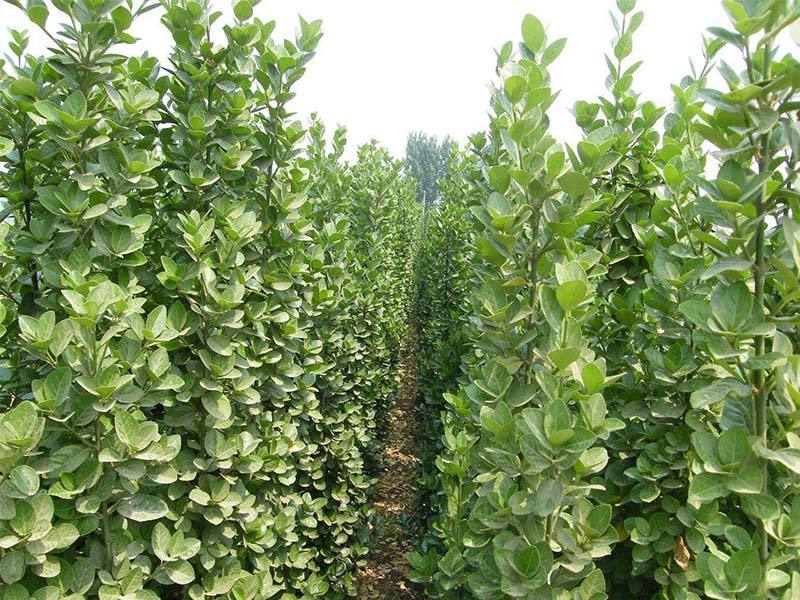
Then, sow in early to mid-September. Before sowing, soak the seeds in clean water for 30 hours; the amount of water should be just enough to cover the seeds. Open furrows in strips on the bed surface, 3 cm deep. Before sowing, divide the seeds into several portions according to the corresponding seedbeds, then evenly scatter the seeds into the furrows, and lightly tread the soil grid once. Then cover with 1 cm of soil, scrape the bed surface level with a wooden board, and cover the seedbed with rice straw. The straw should be laid in opposite directions, with a thickness of 30 cm. Water thoroughly once with a watering can, and afterward water thoroughly over the straw 2~3 times each week until the seeds take root in mid-October.
-
Then, from April to June, because boxwood seedlings are in the period from bud break to flowering and have a relatively large growth amount, water should be replenished in time. From June to September, because the temperature in this area is high and drought is common, the water needs of the seedlings must be met, and foliar spraying should be done as much as possible without water accumulation. From October to November, seedling growth slows, so water should be controlled appropriately, and winter water should be applied at the end of November, with green-up water applied in mid-March of the following year.
-
Then, weed 4~5 times in total throughout the year, with the principle of removing all weeds from the nursery land. Weeding should not damage the seedling roots; deeper weeding can raise the ground temperature and help accelerate the growth of littleleaf boxwood seedlings. Because some areas are cold in winter with large day-night temperature differences, protective measures should be taken before overwintering for 2-year-old littleleaf boxwood, such as building a frame with bamboo poles and covering it with non-woven fabric before winter, and pressing down the bottom edges of the non-woven fabric all around.
-
Finally, propagation by sowing or cuttings is used, but the cultivation time is long, and it is very difficult to obtain good material with coiled roots and exposed claws, vigorous and ancient-looking. Dig up old stumps. Old stumps are best dug in summer, followed by spring and autumn, and worst in winter. After digging, the stump material can be wrapped in plastic bags at the roots to retain moisture. When planting, remove the downward-growing main root and cut off most of the leaves to prevent water loss and ensure survival. The stump material can first be grown in the open ground, or it can be directly potted, but it must be cultivated for more than two years before shaping and production.