Elderberry Planting Methods and Key Technical Points
Elderberry (scientific name: Sambucus williamsii Hance) is a deciduous shrub that can reach 4 m in height. The stems are without ridges, much branched, grayish-brown, and hairless. The leaves are opposite, odd-pinnately compound; the leaflets are ovate, elliptic, or ovate-lanceolate, with acuminate tips and oblique broad-cuneate bases, and the margins have relatively coarse serrations, with both surfaces hairless. The panicle is terminal, with relatively coarse serrations along the edges, and both surfaces hairless. The panicle is terminal, densely clustered, ovate to oblong-ovate; the calyx is bell-shaped, 5-lobed, with ligulate lobes; the corolla is radiate, 45-lobed, with obovate lobes, pale yellow; there are 5 stamens, inserted on the corolla, shorter than the corolla; there is 1 pistil, the ovary is inferior, and the style is short; the berry is bright red. The flowering period is April-May, and the fruiting period is July-September.
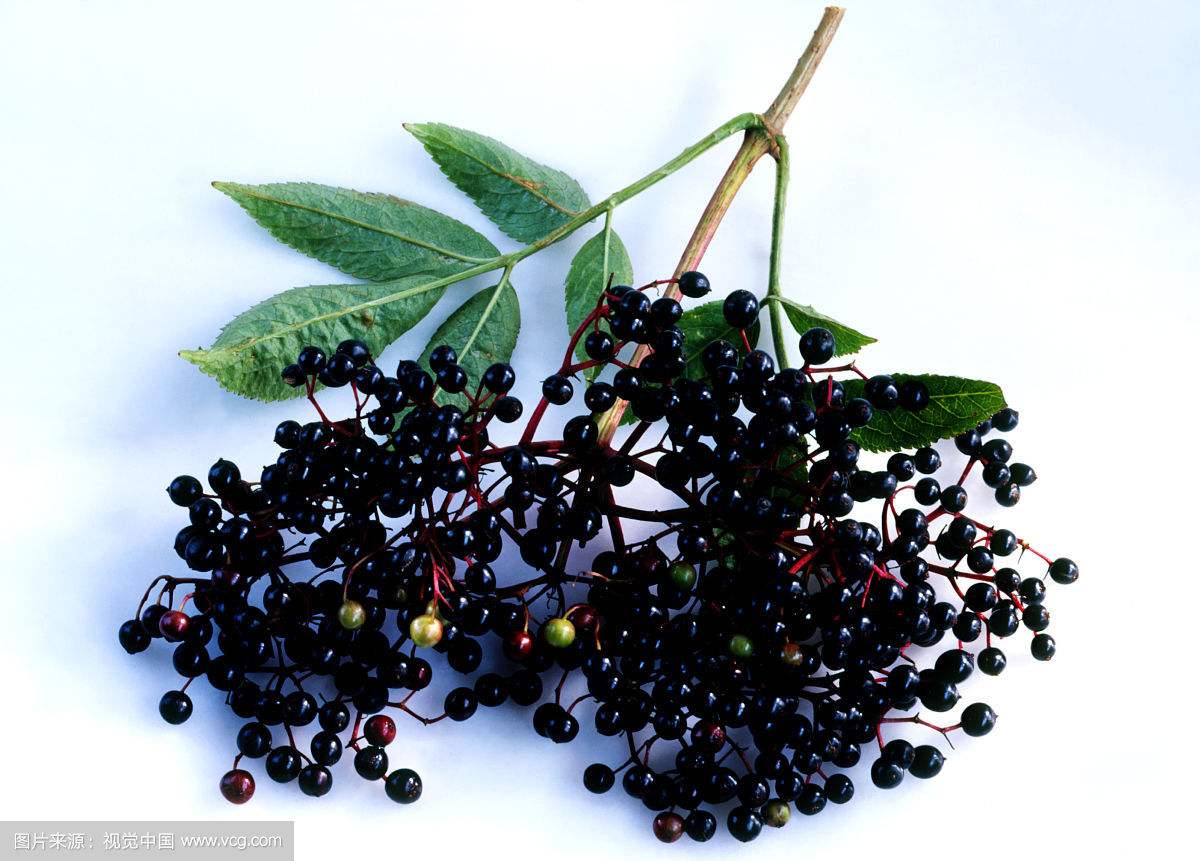
How to Grow Elderberry
Potting Soil Selection
To grow elderberry in a pot, choose a flowerpot with good air permeability and drainage, and it is best if the pot is somewhat large. The requirements for soil are not high, but loose, fertile soil is better. Place broken tiles at the bottom of the pot to facilitate drainage, then add soil.
Light and Temperature
Elderberry likes sunlight, but it can also tolerate shade. Make sure there is sufficient light, otherwise the plant will become leggy and flowering will be affected. It is not strict about climate and can tolerate cold, enduring low temperatures of -5°C, but in the north it is best to move it indoors for warmth and care.
Watering and Fertilizing
Elderberry has a relatively high demand for water. During the vigorous growth period, keep the potting soil moist and water more often, but elderberry is fairly afraid of waterlogging, so avoid standing water in the pot, especially during the rainy season, when drainage should be noted. Elderberry needs moderate fertilization. During the vigorous growth period, to give the soil sufficient nutrients, fertilize once every 7-10 days. Fertilization is mainly with nitrogen fertilizer, and note that topdressing is needed after flowering.
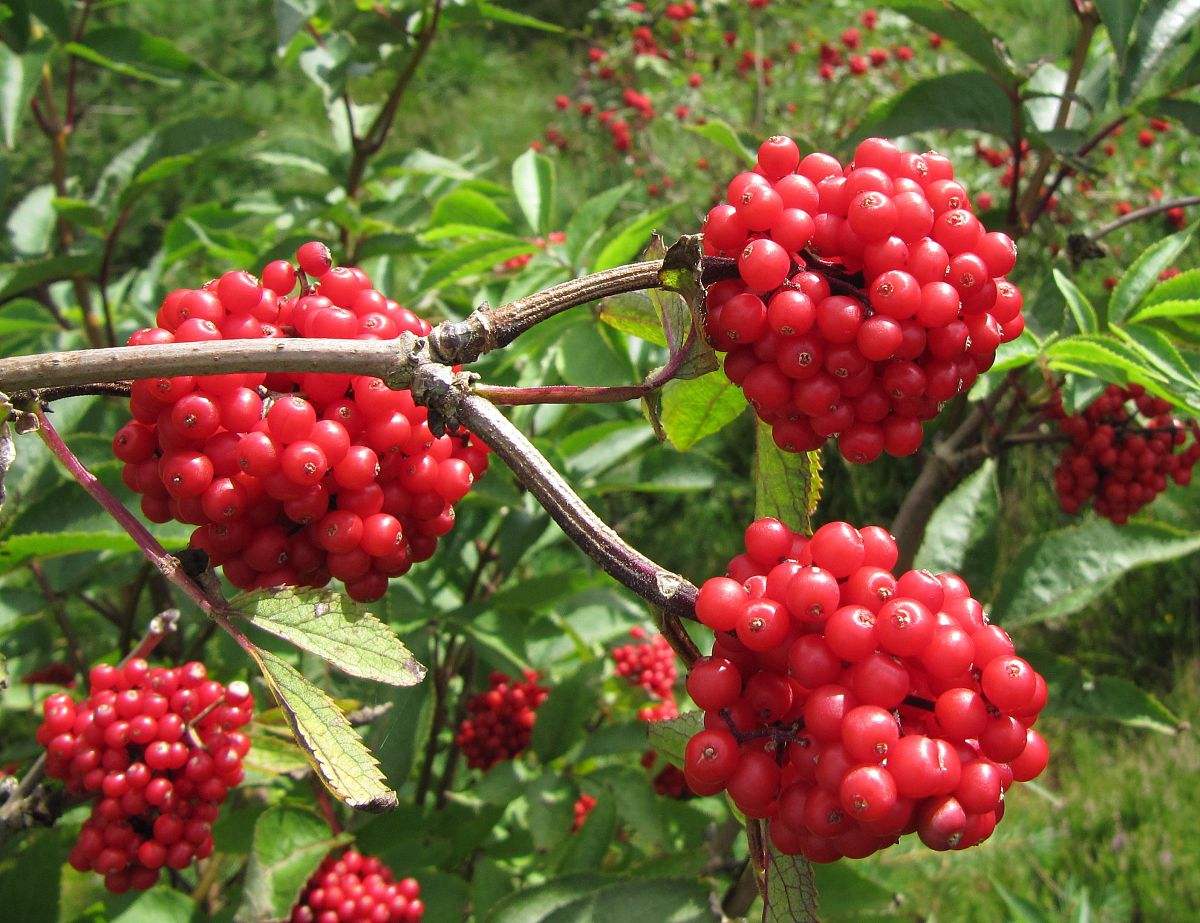
Notes on Growing Elderberry
Propagation
Elderberry is generally propagated by cuttings and division. Cuttings are taken in spring, and division can be done in spring or autumn, but spring is preferable.
Pruning
Pruning elderberry mainly involves root pruning and branch pruning. Because elderberry has a well-developed root system and its branches also grow very quickly, the developed root system needs to be pruned, and during routine care, excess branches also need to be pruned frequently.
Pests and Diseases
The common diseases of elderberry are mainly leaf spot, powdery mildew, and canker, which can be treated by spraying with 65% zineb wettable powder. The pests are mainly moths, scale insects, aphids, and clearwing moths and other pests, which cause relatively great damage and need to be killed by spraying insecticides or homemade insecticides.