Cotyledon tomentosa (Bear's Paw) Planting Methods and Care Tips Explained
This species is native to Cape Province, South Africa. It prefers a warm, dry, sunny, well-ventilated environment. It goes dormant when summer temperatures are too high. It dislikes cold and excessive moisture. The propagation method is cuttings.
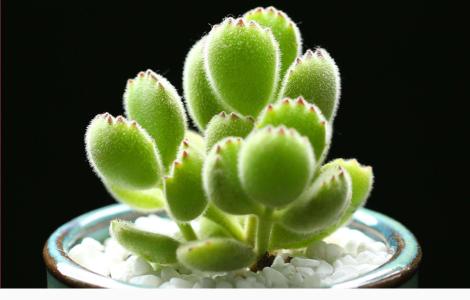
Planting methods:
The main propagation method is cuttings. During the growing season, select a cutting with short stem nodes and thick leaves, 5 cm to 7 cm long, preferably with the top stem node. Let the cut surface dry slightly before inserting it into a sand bed. Roots form about 20 to 25 days after insertion, and it can be potted at 30 days. The branch can also be inserted directly into garden soil. Because leaf cuttings of Cotyledon tomentosa rarely sprout, leaf cuttings are generally not used for propagation.
Temperature: After moving Cotyledon tomentosa into a new pot, always pay attention to keeping its growing environment dry and ensure sufficient sunlight. However, note that the growing temperature for Cotyledon tomentosa must not exceed 35°C, otherwise the plant will enter dormancy and growth will stall.
Water and fertilizer: Cotyledon tomentosa likes dry soil. If the surrounding environment is relatively humid, reduce the frequency of watering to prevent excessive moisture at the roots from causing rot. When watering, use a small amount each time, twice a month is enough, and try to keep watering time around 7 p.m. . During the growing seasons in spring, early summer and autumn, water thoroughly to keep the pot soil moist, and apply a once-monthly diluted fully rotted liquid fertilizer or compound fertilizer. In winter, strictly control watering and keep the pot soil dry.
Repotting: As Cotyledon tomentosa grows, a pot that is too small cannot meet its growth needs. Generally, repot once every one to two years, preferably in spring. Before repotting, prepare new soil in the new pot. The fertility of the new soil should be medium, and the soil should have good drainage. Coarse sand, vermiculite, garden soil, leaf mold, etc. can be mixed evenly. Because Cotyledon tomentosa is drought-tolerant and not tolerant of waterlogging, only a small amount of water is needed at the early stage after repotting.
Light: Cotyledon tomentosa needs full sunlight during the growing season. With sufficient sunlight, the leaves become thicker and fuller. If it is too shady, the stems and leaves become slender and weak. In the high temperatures of midsummer, provide appropriate shading, but too much shade makes the stems and leaves weak and the hairs lack luster. It is not cold-tolerant. In winter, move it indoors for care and place it at a window with plenty of sunlight.