A Complete Guide to Blue Echeveria Planting Methods and Care Tips
The succulent Blue Echeveria, also known as Echeveria peacockii, originated in Mexico and is now cultivated in most parts of China. From sowing to flowering takes only 17 to 20 weeks, but sowing should be done between February and April. Its flowers are pink and look very delicate.
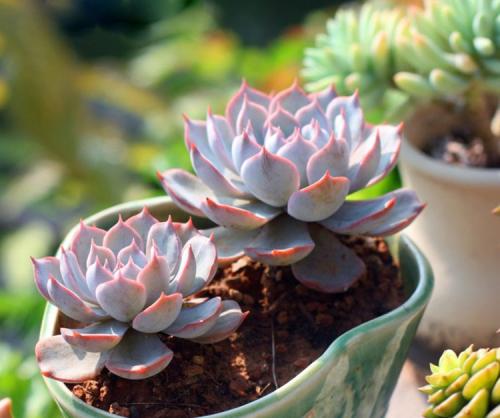
Planting methods:
Plenty of light: Blue Echeveria likes warmth and plenty of sunlight. If you keep Blue Echeveria on a balcony, try to place it where it can get sun, ensuring it receives enough sunlight.
Ventilation and maintaining soil moisture: It is best to open the windows every day to ventilate. A stuffy environment is not good for the alternation of wet and dry soil, which affects the growth of Blue Echeveria and can even cause death.
Suitable temperature for Blue Echeveria: The best growing temperature for Blue Echeveria is 20°C to 30°C. If it is too hot in summer, shade is needed. In winter, keep it indoors in a shaded spot.
Watering Blue Echeveria: When watering Blue Echeveria, water more when the temperature is high and less when it is low. When watering, water into the soil. In spring, the water requirement is relatively low while the light requirement is high, so give more sun and less water. In summer, shade is needed and watering should be controlled.
Choosing a pot for Blue Echeveria: When choosing a pot for planting Blue Echeveria, choose one with good breathability and water permeability, so you do not need to worry about root rot during growth.
Fertilizing Blue Echeveria: Blue Echeveria does not need much fertilizer. Adding a small amount of chicken manure fertilizer, eggshell powder, or similar fertilizer before planting is enough. During the growing period, mix some special liquid fertilizer for Blue Echeveria into the water. 7
Pest and disease prevention for Blue Echeveria: Frequently ventilate Blue Echeveria and ensure the soil temperature and humidity. If pests or diseases occur, while treating them, disinfect the soil or replace it with clean soil.
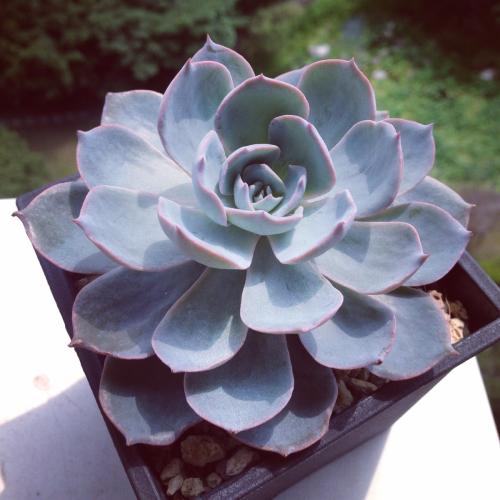
Precautions for Blue Echeveria
In summer, when temperatures are high, prevent direct strong light to avoid scorching the leaves. Blue Echeveria does not have high fertilizer requirements. Do not fertilize during the dormant period to avoid burning the roots. During the growing period, a small amount of fertilizer can be applied appropriately.
In winter, do not mist when watering, because water staying in the center of the leaves for too long will cause the leaf center to rot. Therefore, when watering, pour water directly at the roots.