How to Grow Schizanthus and Points to Note
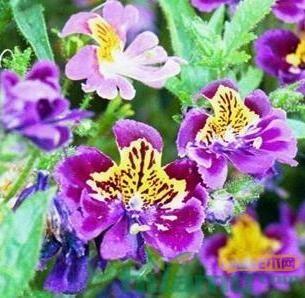
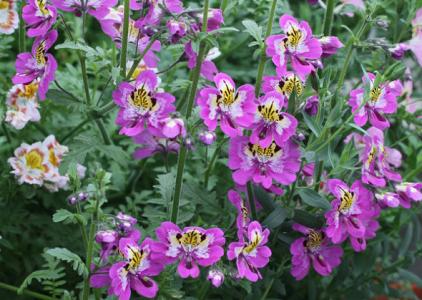
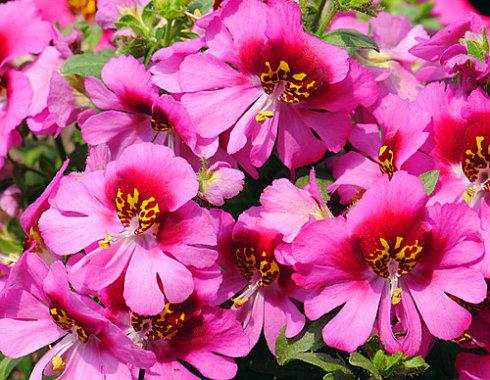
Schizanthus (scientific name: Schizanthus pinnatus Ruiz et Pav.), an annual or perennial herbaceous plant native to Chile (Chile) in South America, with eight varieties. This plant can grow up to 3 feet (90 cm) tall. Its leaves are dark green, covered with short, sticky hairs. The large funnel-shaped flowers come in purple, blue, red, yellow or white, with golden-yellow veins.
Growing Habits
How to Grow Schizanthus
Potting soil selection: For potted schizanthus, when the seedlings are potted up, you can first choose a pot with a diameter of 10cm to 15cm and transplant them with the soil ball. Choose organic-rich, fertile sandy soil or leaf mold as the medium.
Watering and fertilizing: It grows vigorously and has fairly strong drought tolerance, and dislikes being too wet, so when watering, follow the principle of "water when dry, stop when wet"; the potting soil can be allowed to dry slightly before watering. Judging dryness and wetness requires a certain degree of judgement; the degree of dryness can be judged by the leaves drooping slightly. Schizanthus has low fertilizer needs, so it can be fertilized about once every 10 days. In the early stage of growth, mainly use nitrogen fertilizer, and in the middle and late stages of growth, mainly use phosphorus and potassium fertilizer.
Light and temperature: Schizanthus is a light-loving plant and likes a warm environment. During its growth period, give it plenty of sunlight, especially in winter when daylight hours are shorter, provide as much light as possible. The growing temperature can be kept between 15°C and 25°C, and in winter a relatively high growing temperature must also be maintained; below 0°C it is prone to cold damage.
Propagation method: The main propagation method for schizanthus is sowing. Sow in autumn and winter, and when 6 to 7 true leaves have grown, pot them up and transplant.
Pests and diseases: During the growth period of schizanthus, sclerotinia rot and gray mold sometimes break out; insect pests are few, but there may occasionally be damage from soil-dwelling insects. When caring for schizanthus, pay attention to improving ventilation, watering reasonably, and promptly detecting pests and diseases for control.
Pruning: During the growth of schizanthus, frequent pruning is needed. After planting, you can first pinch out the growing tips once to encourage more new branches; after that, to control the plant shape, you can prune multiple times. After the schizanthus flowers fade, you can cut off the spent flowers. It can also send out new branches and bloom again.