Lotus Bamboo Planting Methods and Care Tips Explained in Detail
Lotus bamboo is a species in the genus Dracaena of the family Liliaceae. Lotus bamboo is suitable for water culture, pot culture, and hydroponics. It has extremely high ornamental value and is one of the few greenery and decorative items that can be kept indoors for a long time. The optimum growing temperature for lotus bamboo is 25-30 degrees, and the winter nighttime temperature is best not lower than 8 degrees. Lotus bamboo combines the meanings of "blossoms bringing prosperity" and "bamboo reporting peace", making it the best gift for a beauty and friends. Lotus bamboo has extremely strong adaptability and can grow well in full sunlight, partial sunlight, and shade. It likes a high-temperature, high-humidity environment with plenty of sunlight. It likes sandy soil, dislikes waterlogging, and is drought-tolerant.
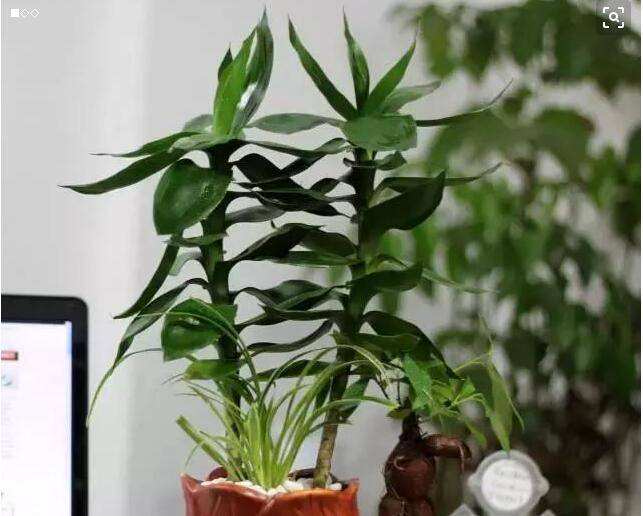
Soil Culture and Care
1. Water: May to September is its peak growing period, and at this time it should be watered more so that the soil stays slightly moist; there must be no standing water in the pot. During the high temperatures of midsummer, it needs more water spraying to raise the humidity of the growing environment; in the severe cold of winter, it should be watered less.
2. Fertilizing: During the growing period, apply liquid fertilizer 1-2 times a month; fertilizing should be paused in cold weather, and the amount of fertilizer must not be too large, as it easily burns the roots.
3. Temperature: Soil-cultured lotus bamboo should be given a growing environment of 20-28 degrees C; it has a certain cold resistance and can withstand low temperatures of 2-3 degrees C in winter.
4. Light: Normally it needs to be kept in diffused light and must not be exposed to strong light, which can cause yellowing of the leaves and slow growth.
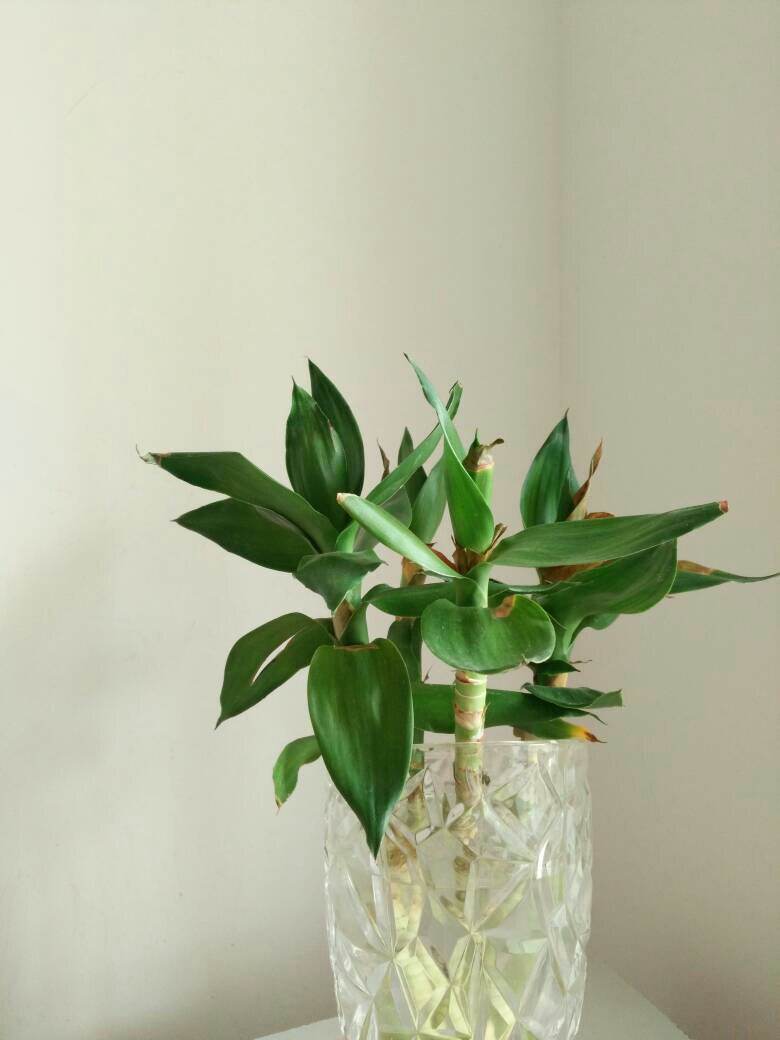
Hydroponic Care
1. Water amount: The water in the container should not be too full; a water level at 1/3 or 2/3 of the container is sufficient.
2. Changing water: During the rooting period, the water should be changed once every 3-4 days; once new roots have grown, simply adding water as appropriate is enough, and during the high temperatures of midsummer, the leaves should also be sprayed with water more often.
3. Temperature: When growing hydroponically, the growing temperature must be well controlled; usually around 16-25 degrees C is most suitable, and it should not be kept in a severely cold place; in winter, when the temperature is low, good insulation work must be done.
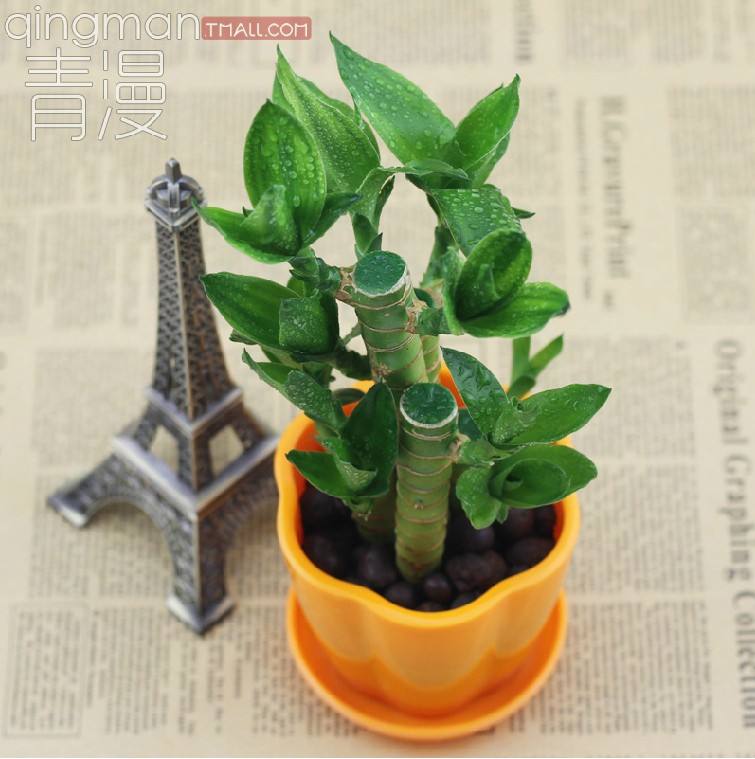
What to Do When the Leaves Turn Yellow
First, you can observe whether the lotus bamboo has yellow leaves caused by pests or diseases. Common pests include thrips and scale insects; if no signs of insects are found, then continue observing whether there is disease. You can directly observe whether there are diseased leaves and whether the roots and stems are intact with no abnormal patches or spots. Both pests and diseases can cause the yellowing of lotus bamboo leaves.
Lotus bamboo likes diffused light. If the light is too strong or it is exposed to the sun for a long time, the leaves of lotus bamboo will also turn yellow, starting from the leaf edges on the side facing the sun, with patches being more common. This continues until they gradually fall off. The overwintering temperature for lotus bamboo in winter should be above 5 degrees; too low a temperature will also prevent lotus bamboo from overwintering safely, and damage to the leaves will also cause color changes. Of course, if no sunlight is seen at all, the leaves will be unable to normally synthesize chlorophyll, will also appear yellow, and will slowly wither and die. This kind of yellowing should feel similar to that of yellow chives.
Hydroponic lotus bamboo likes humus-rich water. After rooting, the water should not be changed frequently; if the water is changed frequently, lotus bamboo will be unable to absorb enough nutrients. This will likewise cause the leaves to turn yellow. Generally, yellow leaves caused by insufficient nutrients will first appear on new leaves. The old leaves remain green. If the fertilizer is too strong, or the concentration of the hydroponic nutrient solution is too high, then problems will appear at the tips of the new leaves; the leaves will be dark green, but there may be uneven leaves, and the old leaves will turn yellow and fall off. In this situation, you can rinse with a large amount of clean water, and for hydroponic ones you can directly change the water.
For hydroponic lotus bamboo, it is recommended to prune the plant appropriately; too large and too many leaves will also increase the consumption of water and nutrients, and excessive leggy growth will also make the whole plant weak and cause the leaves to turn yellow. At this time, it is recommended to choose an appropriate season to grow it in soil for rejuvenation.