Spider Plant Growing Methods and Care Tips Explained
Spider plant, also called airplane plant, is also known as creeping stem grass, guilan, hook orchid, or folding crane orchid; in Western Europe it is also called spider grass or airplane plant. It is a perennial evergreen foliage plant of the genus Chlorophytum in the Liliaceae family, and it is an evergreen foliage plant.
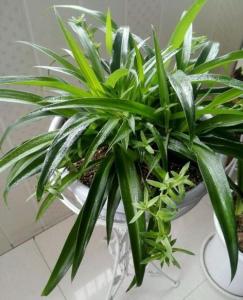
Growing Methods
1. Requirements for soil and pots
When we grow spider plants, choosing the soil is very important. The soil must have good drainage, and its air permeability must not be too poor. We can choose rotted leaf mold, or some sandy soil or garden soil; these soils should be used as a mix. When choosing a flower pot, clay pots, plastic pots and ceramic pots are all fine. If you want to grow a spider plant that hangs downward, then you need to find a pot that can be hung up. The size of the pot is not fixed; a pot with an opening of about 20 cm is usable. Then we put the spider plant into the pot, put the mixed soil in, fill it to eight-tenths full, press the soil firm, and that is OK.
2. Requirements for light and temperature
The spider plant rather likes warmer weather. In winter, we must do a good job of keeping it warm. You can choose to place it in the living room to grow it, because it rather likes to grow in an environment around 20. Be sure to remember not to put it in a drafty spot, because that will freeze its leaves and damage them. The temperature in the room should also not be lower than 5 degrees. If the temperature is too low, the spider plant will not grow, and in serious cases it will even freeze the spider plant to death. So since the winter sun is rather weak, we can put it in a spot with stronger sunlight. In summer, when the weather is rather hot, be sure not to let too harsh strong light shine on the spider plant, because the leaves are easily sunburned; on the contrary, in a place with poor sunlight, it will actually grow more brilliantly. So in summer, just put it in a shady place and grow it in a spot with strong ventilation.
3. Watering requirements
The spider plant is a water-loving plant. Especially in summer, when it grows faster, what we need to do is water it once a day, and also give the leaves a good wash, so that it can maintain its original moisture level. But the spider plant also does not like too much cold. In winter, we should not water too frequently, because its roots will also store some water for it to absorb on its own, and its drought-tolerant vitality is also stronger than that of other plants. Even if it is not watered for more than ten days in winter, that is fine.
4. Fertilizing requirements
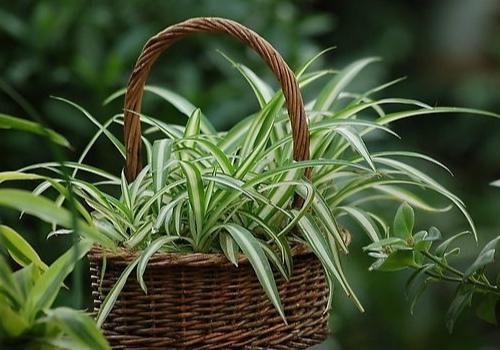
The spider plant has a great craving for fertilizer. Spring and autumn are when it grows most vigorously. We should choose to fertilize it once every half month. You can choose to buy some fertilizer for spider plants at the market, but the concentration of the fertilizer water must not be too high. Summer is too hot and winter is too cold, so the spider plant enters a dormant period. At this time, fertilizing must stop, because the plant's fertilizer requirement is not large. If too much fertilizer is used, some of the gloss and some of the patterns on the leaves will disappear, which directly affects the viewing effect.
5. Prevention of pests and diseases
Diseases generally include soft rot, leaf blight and root rot. Common pests include scale insects and whiteflies. What we need to do is keep the environment hygienic, so as to prevent some hazards and some pests from entering the plant body. The water and fertilizer requirements should be handled well, and the ventilation effect and temperature should also be chosen well. Only in this way can the spider plant grow robustly.
6. Propagation tips for spider plants
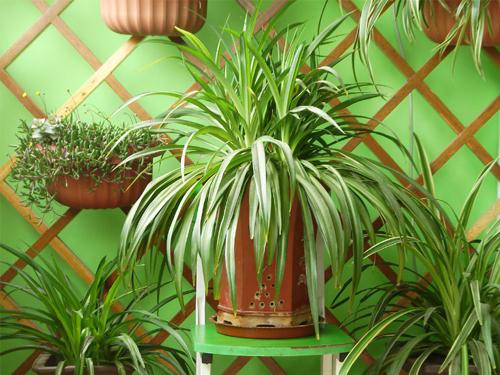
Actually, propagating spider plants is very easy. When we divide them, we separate them from the roots. Division can be done from spring to autumn, but it is best to divide in spring, because once the old is gone, the new will quickly grow out. In winter, do not carry out division; all the other seasons are fine. Also, when dividing, it is best to choose the time when you are repotting. Do not water for the few days before dividing, and let the soil in the pot dry a little, so that it is easier for us to take it out and easier to divide, so as to avoid getting mud all over your hands. One pot can be divided into two pots, and the soil should also be changed; new soil can be more nutritious.