What are the contraindications for using lavender essential oil?
Essential oils are the essence extracted from natural plants, but natural does not mean non-toxic. Essential oils are highly concentrated; after excessive use, the skin surface cannot metabolize properly, resulting in burns and darkened skin. In addition, essential oils can quickly penetrate through the skin into the body and enter the bloodstream. According to foreign human experiments, after a 20-minute massage with essential oil, venous blood was drawn and tested, and essential oil components were found in it.
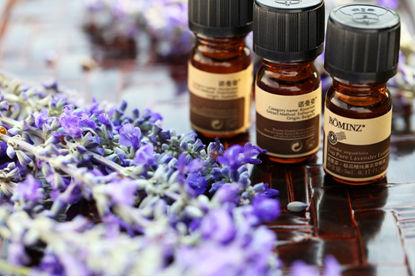
Contraindications for using lavender essential oil
1. In lavender single essential oil, the two components linalyl acetate and linalool account for 88%, and alcohols, like alcohol, can damage the liver when used excessively, leading to decreased liver function, excessive suppression and paralysis of the sympathetic nerves, manifesting as a person being completely motionless, rising blood pressure and other symptoms. In addition, as a single essential oil, it cannot be applied directly to the skin; it must be diluted with a carrier oil composed of various cold-pressed vegetable oils, otherwise it will burn the skin. Essential oils generally cannot be used by pregnant women and children.
2. Essential oils cannot replace medication. When ill, you need to see a doctor. Aromatherapy is similar to traditional medicine, but it is not a care method that replaces traditional medicine. It cannot treat various internal and external diseases.
3. Essential oils generally need to be diluted before use; only lavender essential oil and tea tree, under special circumstances, can come into direct contact with the skin. For example, for red, swollen and inflamed acne, lavender or tea tree essential oil can be applied directly to the acne with a cotton swab.
3. Essential oils generally need to be diluted before use; only lavender essential oil and tea tree, under special circumstances, can come into direct contact with the skin. For example, for red, swollen and inflamed acne, lavender or tea tree essential oil can be applied directly to the acne with a cotton swab.
4. Try to avoid using essential oils during pregnancy, unless under the guidance of a professional aromatherapist. Some essential oils have emmenagogue effects and may also cause fluid loss from the placenta. For example: rosemary essential oil, sage essential oil, fennel essential oil and so on.
5. Some essential oils have photosensitive reactions; for example, citrus essential oils (sweet orange, bergamot, lemon, grapefruit, lime, etc.) can cause skin allergies to ultraviolet light. It is recommended to use them at night as much as possible, and after use avoid direct exposure of the skin to sunlight. Be sure to use them within a safe dosage. High-dose use will have a certain impact on the body.
5. Some essential oils have photosensitive reactions; for example, citrus essential oils (sweet orange, bergamot, lemon, grapefruit, lime, etc.) can cause skin allergies to ultraviolet light. It is recommended to use them at night as much as possible, and after use avoid direct exposure of the skin to sunlight. Be sure to use them within a safe dosage. High-dose use will have a certain impact on the body.