A Detailed Explanation of the Components of Ginseng Essential Oil and the Uses of Ginseng Essential Oil Soap
What are the components of ginseng essential oil? What is ginseng essential oil soap used for? Did you know? Let's take a look together.
Components of ginseng essential oil:
The active components of ginseng mainly include ginsenosides, ginseng polysaccharides, volatile oils, amino acids and polypeptides, etc.
After hydrolysis, ginsenosides B and C produce the panaxatriol saponin genin, while after hydrolysis, ginsenosides D, E and F yield the 20-epiprotopanaxadiol saponin genin. In addition, beta-elemene (C15H24) was isolated from the low-boiling-point fraction of the ether extract. Panaxynol (C17H26O) was isolated from the high-boiling-point fraction.
In addition, it also contains monosaccharides: glucose, fructose and sucrose; three trisaccharides: glucose-fructose-fructose, glucose trimer, and glucose-glucose-fructose; ginseng acid (a mixture of palmitic acid, stearic acid and linoleic acid); and many vitamins (B1, B2, niacin, nicotinamide, pantothenic acid).
Various amino acids, choline, enzymes (maltase, invertase, esterase), spermine and cholamine. The above-ground parts of ginseng contain flavonoids, known as panasenoside, trifolin, kaempferol, ginsenosides, beta-sitosterol and carbohydrates.
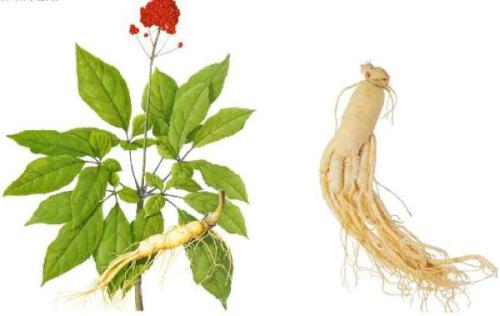
Substances such as ginseng fruit saponins have a great many effects. First, they can play a role in inducing cancer cell death. Cell proliferation and decline in the human body can maintain a certain balance, and if cells proliferate too much or decline too little, cancerous changes can occur. Ginseng fruit saponins, however, can help regulate this balance. In addition, total ginseng fruit saponins can also enhance human immunity and play a role in protecting the immune system. Finally, total ginseng fruit saponins can also play a role in protecting the brain and improving cerebral ischemia.