Tarragon Essential Oil Composition and French Tarragon Growing Methods Explained
Growing the herb tarragon; although it is not particularly attractive, tarragon is a hardy herbaceous plant, usually grown for its aromatic leaves and pepper-like flavor, used to season many dishes and especially popular for flavoring vinegar. Although tarragon is best grown from seedlings, cuttings or divisions, some varieties can be propagated from seed. Growing tarragon can add a refined herb to your garden.
The main components of tarragon essential oil are methyl chavicol (60%-70%), alpha-pinene and beta-pinene, camphene, limonene, cis- and trans-ocimene, linalool and geraniol, etc.
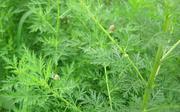
How to grow French tarragon
Tarragon seeds
Tarragon seeds should be started indoors around April or before the last expected frost in your area. Using moist compost potting soil, it is usually easier to sow about 4 to 6 seeds per pot. Cover the seeds lightly and keep them at room temperature under low light. Once the seedlings begin to sprout or reach a few cm in height, they can be reduced to one plant per pot, preferably the healthiest or strongest plant.
Tarragon grows to about 1 m tall and prefers mild sunlight, preferring shade during the warmest part of the day. It grows well in rich, fertile soil that retains moisture but drains well. Mulching is beneficial for this purpose.
Tarragon propagates best by root division, planting divisions at least 18 cm apart. Because tarragon has a relatively shallow root system, care must be taken not to damage the roots when weeding, and special care must be taken in winter after transplanting, as the root system cannot fully develop.
Growing methods: outdoor, container and water culture.
Plant height: tarragon plants grow to a height of 30-90 cm.
Plant spacing: tarragon plants should be spaced 45-60 cm apart.
Preferred pH range: tarragon will grow in a pH range between 6.5 (neutral) and 7.5 (slightly alkaline), with a preferred pH of 6.5.
Propagation: sow tarragon seeds indoors in a sunny spot or plant them six weeks before the last frost. Tarragon is propagated only by division, stem cuttings or layering.
Seed germination period: Russian tarragon seeds will germinate in soil in about 10 to 14 days, but can germinate in 7 to 10 days in a specialized propagation medium such as rockwool.
Soil requirements: tarragon prefers deep, well-drained, fertile soil.
Light: tarragon grown outdoors prefers full sun but can tolerate some shade. Tarragon will grow satisfactorily indoors under standard fluorescent lights, and does very well under high-output T5 fluorescent grow lights, compact fluorescent lights or high-intensity discharge (metal halide or high-pressure sodium) grow lights. Keep standard fluorescent lights 2 to 4 cm from the top of the plants, and high-output and compact fluorescent lights about 30 cm from the plants. Use an oscillating fan to gently agitate the seedlings for at least 2 hours a day to stimulate a shorter, sturdier, more natural plant habit.
Water: average water needs, regular watering. Let the soil almost dry out between waterings, then soak thoroughly. Do not overwater.
Pests and diseases: tarragon may be sensitive to whiteflies and spider mites, but disease problems are rare.
Companion planting: tarragon is a useful companion plant for almost all crops, especially eggplant. Most pests dislike this aroma. Tarragon is also believed to enhance the growth and flavor of crops planted with it.